


Best Waterproof Spray for Ugg Boots
Ugg boots are beloved for their soft sheepskin lining and effortless comfort, but that same plush material makes them vulnerable to rain, slush, and everyday spills. A quality waterproof spray creates an invisible barrier that helps repel water and stains while letting the material breathe. This guide explains how these sprays work, what to look for, and how to apply one correctly so your boots stay protected season after season.
Why Ugg Boots Need Waterproofing
Genuine Ugg boots are typically made from sheepskin or suede, both of which absorb moisture readily. When water soaks into suede, it can leave dark patches, stiffen the fibers, and encourage salt stains during winter. Sheepskin lining, meanwhile, can lose its softness if it stays damp for long periods.
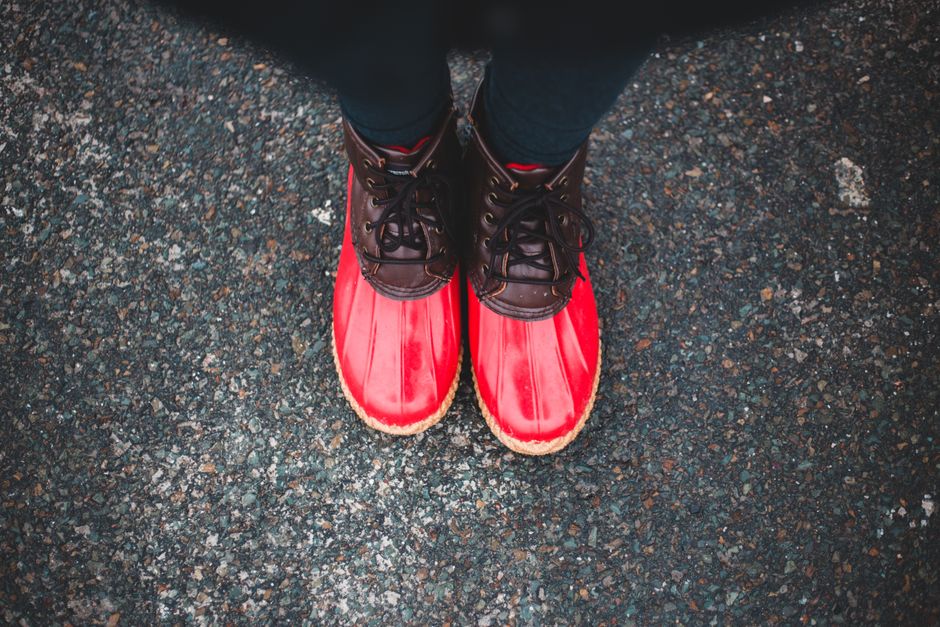
Waterproofing sprays address this by coating individual fibers with a hydrophobic layer. Rather than sealing the boot in plastic-like film, a good spray repels droplets so they bead up and roll off. This is important because suede and sheepskin need to breathe; trapped moisture inside a boot can lead to odors and deterioration just as much as external water damage. Much like choosing the right morning skincare products, matching the formula to the material is the key to lasting protection.
It is worth noting that no spray makes a suede boot fully submersible. Waterproofing buys you time and protection against rain, splashes, and light snow, but deep puddles remain a risk. Think of it as a shield, not a rain boot replacement.
Types of Waterproof Sprays
Not all protectors are formulated the same way. Understanding the main categories helps you choose wisely.

Fluoropolymer-Based Sprays
These are among the most common traditional protectors. They offer strong water and oil repellency and work well on suede and nubuck. However, environmental concerns have led some brands to reformulate or phase out certain compounds, so check current product labels for updated formulations.
Water-Based and Eco-Conscious Formulas
A growing number of brands now offer water-based protectors that are lower in odor and gentler on the environment. These have improved significantly in recent years and can deliver solid rain protection for everyday wear, though they may need more frequent reapplication.
Silicone and Wax Sprays
Silicone-based products repel water effectively but can darken suede and reduce breathability if overapplied. Wax-heavy treatments are generally better suited to smooth leather than to the soft suede used on many Ugg styles.
Foam and Pump Applicators
Some protectors come as foams or pump sprays rather than aerosols. These give you more control over coverage and avoid airborne overspray, which is helpful when treating a small area or working indoors with ventilation.
What to Look For When Choosing a Spray
Use this checklist before buying:
- Suede and nubuck compatibility: The label should explicitly state it is safe for suede. Products designed for smooth leather can leave a residue or alter the nap.
- Breathability: Look for claims that the finish remains breathable. Sheepskin boots benefit from protection that does not suffocate the material.
- No color change: Choose a formula described as non-darkening or color-safe, especially for lighter shades like sand or chestnut.
- Low odor and indoor suitability: Aerosols should be used in ventilated spaces. Water-based options are often more pleasant to apply.
- Reapplication guidance: A clear statement of how often to reapply helps you plan maintenance.
- Salt and stain protection: If you wear your boots in winter, prioritize products that also resist salt stains and oil-based marks.
It is also wise to check whether the manufacturer of your specific boot recommends any particular type of protector. Some brands provide care guidance that supersedes general advice. Fashion and footwear publications such as Vogue occasionally cover seasonal boot care, which can offer additional context on maintaining suede and sheepskin footwear.
How to Apply Waterproof Spray Correctly
Application technique matters as much as the product itself. Follow these steps for the best results:
- Start with clean, dry boots. Dirt and moisture trapped under the coating reduce effectiveness. Brush off loose debris with a suede brush and let the boots air-dry fully if damp.
- Test in a hidden spot. Spray a small area near the heel or inside the shaft and let it dry to confirm there is no discoloration.
- Work in a ventilated area. Outdoors or near an open window is ideal, especially with aerosol products.
- Apply in thin, even coats. Hold the can roughly 15–20 centimeters away and use sweeping motions. Avoid soaking the material.
- Let it dry between coats. Most products recommend one to two coats with drying time in between. Follow the label rather than guessing.
- Allow full curing. Give the boots several hours, ideally overnight, before wearing them in wet conditions.
- Reapply regularly. Depending on wear and weather, most protectors need refreshing every few weeks to a few months.
For boots with sheepskin lining, avoid spraying the interior. The protector is intended for the exterior surface only. If the lining becomes damp, stuff the boots with paper and air-dry them away from direct heat.
Common Mistakes to Avoid
Even a good spray can underperform if applied poorly. Watch for these pitfalls:
- Spraying wet or dirty boots: The coating will not bond evenly and may trap grime.
- Overapplying: Excess product can stiffen suede, darken the color, or leave a tacky finish.
- Drying near radiators or in direct sun: Heat can crack suede and warp the boot’s shape. Air-dry at room temperature.
- Skipping maintenance: One treatment does not last forever. Regular brushing and reapplication keep protection strong.
- Using leather conditioner on suede: Conditioners formulated for smooth leather can mat the nap of suede boots.
If your boots do get soaked, resist the urge to speed up drying with a hairdryer. Slow, natural drying preserves the material’s structure. For deep stains or salt marks, a suede eraser and a diluted vinegar solution can help, though always test first.
Building a Boot Care Routine
Waterproofing works best as part of a broader care routine. Brush your boots after each wear to lift the nap and remove dust. Store them in a cool, dry place, ideally with boot shapers to maintain their shape. Rotate pairs during wet seasons so each pair has time to dry completely.
When shopping for care products and other lifestyle essentials, curated online retailers can simplify the process. Platforms like Pendazi bring together a diverse selection of home, apparel, and wellness items, which can be convenient if you prefer to gather your boot care supplies and everyday essentials in one place. If you also like to plan purchases carefully, guides such as this buyer’s guide to affordable skincare sets show how a little research upfront can help you get better value.
Finally, consider the season. Winter calls for protection against salt and slush, while spring and autumn may only require a lighter, breathable finish. Adjusting your routine to the conditions helps your boots last longer. The same principle applies when picking accessories for daily wear, much like weighing options in this guide to the best utility tote bags: durability and practical care go hand in hand.
Conclusion
The best waterproof spray for Ugg boots is one that is explicitly safe for suede and sheepskin, non-darkening, breathable, and applied in thin, even coats with proper drying time. There is no single universal winner, because the right choice depends on your climate, how often you wear your boots, and whether you prefer water-based or aerosol formulas. By understanding the types of protectors available, checking labels carefully, and following a consistent care routine, you can keep your Uggs looking fresh and feeling comfortable through rain, snow, and daily wear.
Discover more from Pendazi
Subscribe to get the latest posts sent to your email.




Add comment