

The Marti Bag: a Complete Guide to This Iconic Style
The Marti bag is one of those accessories that quietly shows up everywhere once you start noticing it: on street-style feeds, in editorials, and in the hands of people who favor understated, well-made things. Yet despite its popularity, plenty of shoppers still ask the same questions. What exactly is a Marti bag? What makes it different from the hundreds of other shoulder bags on the market? And how do you choose one that fits your life rather than just your wardrobe? If you want the full breakdown before you shop, this Kate Spade Marti Bag buyer’s guide is a good place to start.
This guide breaks down the origins, design language, materials, and practical considerations behind the Marti bag, so you can decide whether it deserves a place in your collection — and how to pick the right version for you.
What Is a Marti Bag?
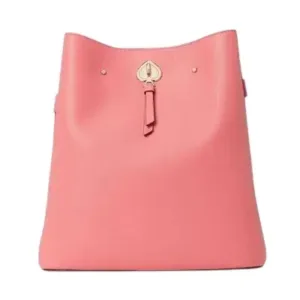
Broadly speaking, a “Marti bag” refers to a shoulder or crossbody bag design characterized by a soft, slouchy silhouette, a flap or zip closure, and a structured but relaxed feel. The name is most closely associated with a well-known designer piece, but like many iconic shapes, the term has become a shorthand for a whole family of similar styles — from premium leather versions to more accessible interpretations.

The defining traits are consistent across interpretations:
- A soft body with structure. The bag holds its shape when empty but drapes naturally when carried.
- A practical closure. Flap-and-turnlock or zip-top designs keep essentials secure.
- Versatile carrying options. Many versions include both a shoulder strap and a longer crossbody strap.
- Compact-to-medium capacity. Big enough for a phone, wallet, keys, and a few extras, but not a tote.
Because the term is used loosely, the experience of owning a “Marti bag” depends heavily on which version you buy. A heritage leather piece and a budget-friendly PU version can share the same outline while feeling entirely different in daily use.
The Design Story Behind the Silhouette
The original designer bag that popularized this name emerged in the 2000s and was revisited and reinterpreted in later years, which is part of why the style keeps resurfacing. Fashion has a long history of reviving archive shapes, and slouchy shoulder bags have cycled back into prominence as tastes have moved away from rigid, boxy minis toward roomier, more wearable forms. As Vogue has repeatedly documented, the pendulum between structured and unstructured bags is one of the most reliable rhythms in accessory design.

What makes the Marti lineage interesting is its combination of casual ease and refined detailing. The shape is not precious — you can wear it with denim and a knit — but the hardware, stitching, and leather quality signal that it is not a throwaway piece either. That balance is precisely what has kept the silhouette in rotation across different fashion eras.
Key design elements worth knowing
- Rounded flap. Many versions feature a curved or slightly pointed flap that softens the bag’s lines.
- Minimal hardware. Turnlock closures, small rings, and restrained metal finishes keep the look understated.
- Pleated or gathered sides. These allow the bag to expand slightly and give it that characteristic slouch.
- Adjustable strap. Often the difference between a shoulder bag and a crossbody, and a major comfort factor.
Materials and Construction: What to Look For
If you are shopping for a Marti bag — or any bag in this style family — material is the single biggest determinant of how the piece will age. Here is how the common options compare.

Full-grain and smooth leather
Full-grain leather is the most durable option. It develops a patina over time, resists cracking, and typically holds resale value better than alternatives. Smooth leather versions look more polished but show scratches more readily; pebbled leather hides wear well and is a practical middle ground.
Coated canvas and vegan leather
These are lighter and often more water-resistant, and they can be excellent choices for daily commuting or travel. The trade-off is longevity: many synthetic materials show edge wear within a few years of heavy use, whereas quality leather can be conditioned and repaired.
Hardware and lining
Do not overlook the small parts. Solid metal hardware outlasts plated zinc alloys, and a textile lining is generally more durable than thin synthetic lining that peels. Check the interior for at least one slip pocket — a detail that separates a genuinely usable bag from a purely decorative one.
Tip: On any slouchy bag, inspect the strap attachments first. They bear the most stress and are the most common point of failure on lower-quality versions.
How to Style and Carry a Marti Bag
Part of the appeal is versatility. A Marti-style bag works across a surprisingly wide range of outfits:
- Everyday casual: straight-leg jeans, a knit, and sneakers — wear it on the shoulder for an easy, unstudied look.
- Workwear: a tailored coat or blazer softens against the bag’s slouch; crossbody carry keeps hands free on commutes.
- Evening: a compact version in a dark neutral can carry a phone, cardholder, and lipstick without looking out of place.
- Travel: crossbody wear keeps valuables in front of you and leaves both hands available.
Neutral colors — black, tan, cream, chocolate brown — offer the most mileage, while seasonal shades such as olive, burgundy, or powder blue can act as the focal point of a simpler outfit. If you own only one Marti-style bag, a mid-tone neutral is usually the most flexible investment.
Choosing the Right Marti Bag for Your Needs
Before buying, work through a few practical questions. They will narrow the field quickly and help you avoid a purchase that looks great but sits unused.
1. What do you actually carry daily?
Lay your essentials out and measure them. A phone, compact wallet, keys, sunglasses, and a small pouch need roughly a compact-to-medium bag. If you carry a tablet, water bottle, or a full-size wallet, look for a larger iteration or a different silhouette entirely.
2. Shoulder or crossbody?
Crossbody is generally better for long walking days and for anyone concerned about shoulder strain. A wider, adjustable strap distributes weight more comfortably — a point echoed in ergonomic guidance from sources like the Sleep Foundation, which emphasizes how repeated asymmetrical load-bearing can affect comfort over time. For a bag worn daily, adjustability matters more than most shoppers expect.
3. How much maintenance are you willing to do?
Leather needs occasional conditioning and protection from prolonged moisture. Coated canvas and synthetics need almost nothing beyond a wipe-down. Be honest about your habits — a delicate leather bag is a poor match for someone who tosses their bag on the floor.
4. New, vintage, or reinterpreted?
Older versions of designer Marti bags circulate on the resale market and can offer better materials than current entry-level releases, though condition varies enormously. If you buy pre-owned, verify authenticity, check the interior lining and strap stitching, and ask for clear photos of corners and hardware. Newer interpretations from contemporary labels often capture the shape at lower price points with modern materials.
5. Where will you buy it?
Curated marketplaces and multi-category retailers can be a practical starting point, since you can compare the Marti silhouette against other shoulder bags in one place. If you are browsing, Pendazi carries a rotating selection of apparel, accessories, and lifestyle pieces, which makes it easy to compare styles side by side rather than committing to the first version you see. For a focused comparison, this Kate Spade Marti guide walks through the key details that separate one version from another.
Care and Longevity: Making It Last
A well-chosen bag can last a decade or more with modest care. A few habits make a real difference:
- Store it stuffed and upright. Use tissue or a soft insert to hold the shape, and keep it in a dust bag away from direct sunlight.
- Rotate your bags. Daily use of a single bag accelerates wear on straps and corners.
- Condition leather two to four times a year. Use a product suited to the finish; avoid silicone-heavy formulas on smooth leather.
- Avoid overloading. A slouchy bag stretched beyond its intended capacity will lose shape permanently.
- Address damage early. A loose stitch or worn corner is inexpensive to fix and costly to ignore.
For hardware, a soft dry cloth removes fingerprints and prevents tarnish. If the bag gets wet, blot it and let it air-dry away from heat — never use a hairdryer or radiator, which can crack leather and warp synthetic coatings.
Conclusion
The Marti bag endures because it solves a genuinely useful problem: it is roomy enough to be practical, refined enough to feel special, and relaxed enough to wear every day. Whether you are drawn to an original designer piece, a vintage find, or a contemporary interpretation, the decision comes down to materials, strap comfort, and honest self-assessment about how you carry your things. And if the slouchy bucket shape appeals to you as well, this Kate Spade Marti Bucket Bag buyer’s guide covers that variation in detail.
Start with your daily essentials, choose the best construction your budget allows, and treat the bag well. Done right, a Marti-style bag becomes one of those rare accessories you reach for without thinking — which is, in the end, the best measure of a good purchase.
Discover more from Pendazi
Subscribe to get the latest posts sent to your email.





Add comment