

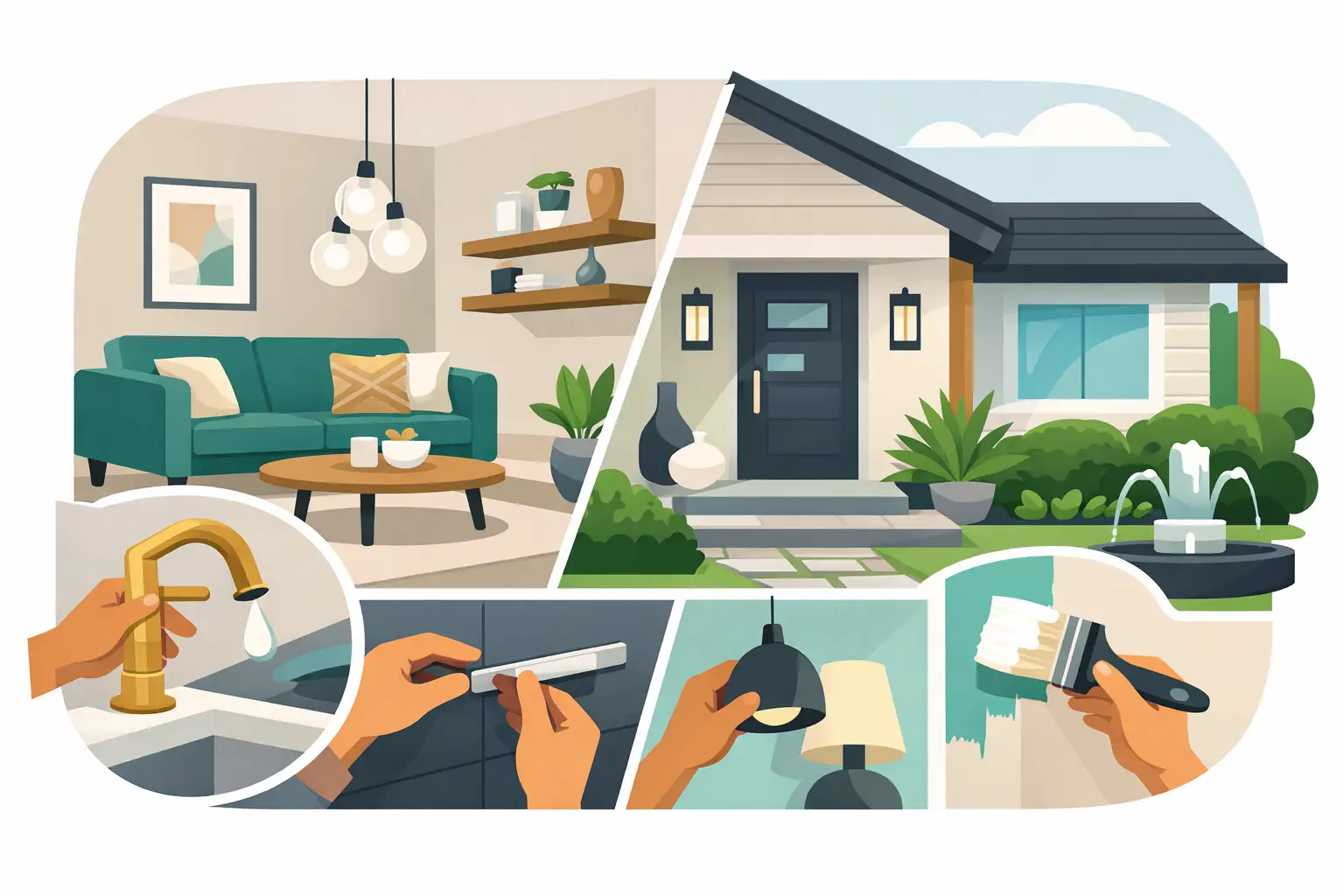
A room can feel tired long before anything is actually broken. That is why affordable home upgrades are such a smart buy – they give your space a fresher look, better function, and more everyday comfort without turning into a full renovation bill. If you want noticeable change fast, the best upgrades are usually the ones that improve how your home looks and works at the same time.
Why affordable home upgrades pay off
Big remodels get attention, but smaller changes often deliver the better deal. Swapping outdated lighting, improving storage, or refreshing soft furnishings can change the mood of a room in a single weekend. You spend less, you shop faster, and you still get that satisfying before-and-after effect.
There is also less risk. A bold tile project or built-in installation can lock you into a style you may not love next year. Smaller upgrades are easier to test, easier to replace, and easier to mix with seasonal trends. For value-focused shoppers, that flexibility matters.
The trick is choosing upgrades that look intentional, not random. When your picks solve a real problem – dark corners, cluttered counters, worn textiles, missing storage – your home starts to feel more polished right away.
Affordable home upgrades that make the biggest difference
1. Replace basic lighting
Lighting is one of the fastest ways to make a room feel more expensive. A dated table lamp, harsh overhead bulb, or underpowered bedside light can flatten the whole space. New lamps, pendant-style fixtures, or even better-looking shades can warm up a room and make furniture look better instantly.
This is also where budget matters in a good way. You do not need designer lighting to improve a room. A clean silhouette, a modern finish, and the right bulb temperature can go a long way. If your budget is tight, start with the rooms you use most often, like the living room, bedroom, and entryway.
2. Upgrade throw pillows and blankets
If your sofa or bed still works but looks a little tired, textiles are the easiest fix. Fresh throw pillows, textured covers, and layered blankets add color and dimension without replacing larger furniture. This is especially effective in neutral rooms that need contrast.
There is one trade-off here. Too many accent pieces can make a space feel busy instead of styled. Stick to a simple color story and vary texture more than pattern if you want a cleaner, more current look.
3. Add mirrors where light is missing
A good mirror does more than fill wall space. It reflects light, opens up smaller rooms, and can make narrow hallways or apartments feel less boxed in. If a room feels dark or cramped, a mirror is often a better first purchase than more decor.
Shape matters. Arched and round mirrors soften a room, while rectangular styles feel more structured. If you are shopping for value, focus on scale first. A too-small mirror tends to look like an afterthought.
4. Refresh the bathroom without remodeling it
Bathrooms are expensive to renovate, which is exactly why low-cost updates matter here. A new shower curtain, matching bath accessories, upgraded towels, and better storage can completely change the feel of the room. Even swapping a worn bath mat for a more modern texture can make the space look cleaner and newer.
This is one area where matching sets can help. In larger living spaces, overly coordinated decor can feel stiff. In bathrooms, a tighter look often reads as neat and hotel-inspired.
5. Improve storage in plain sight
Clutter is expensive-looking in the wrong way. Baskets, shelving, drawer organizers, and countertop storage can make everyday items look intentional instead of messy. The best affordable home upgrades are often the ones that help your space stay tidy after the first day.
Open storage works well if you are willing to maintain it. If not, choose covered bins or closed organizers that hide visual noise. There is no point in buying stylish storage if it still leaves the room looking crowded.
6. Change out rugs
A rug grounds the room, adds softness, and can make furniture placement feel more complete. If your current rug is too small, too faded, or too thin, the whole room can feel off even if the furniture is fine. Replacing it often creates a bigger transformation than buying more accessories.
Size is where many shoppers miss value. A cheap rug in the wrong size does not save money if it makes the room look unfinished. It is usually better to buy one decent rug in the right dimensions than several small decor pieces that do not solve the problem.
7. Upgrade your entryway
The entryway is small, but it sets the tone. A doormat, shoe rack, wall hooks, storage bench, or slim console can instantly make the space feel more welcoming and organized. This is especially useful for busy households where shoes, bags, and keys pile up fast.
Because the area is compact, even a modest spend can create a noticeable result. It is one of the highest-impact spots if you want that fresh-home feeling without touching every room.
8. Swap hardware and small fixtures
Cabinet pulls, drawer knobs, towel hooks, and similar details are easy to overlook until they are replaced. These small pieces can shift a kitchen, bathroom, or dresser from builder-basic to updated with very little effort. Matte black, brushed nickel, and warm metallic finishes tend to feel current without being hard to match.
Just be careful about mixing too many finishes in one room. Contrast can look stylish, but only if it feels planned. If your space already has warm-toned accents, adding cool chrome everywhere may look disconnected.
9. Style with wall art that fills the space
Blank walls can make a room feel unfinished, while random tiny frames can make it feel scattered. Art, prints, or decorative wall pieces help define a room and show some personality. Large-scale pieces often make the strongest impact, especially over beds, sofas, or consoles.
This does not need to be precious. The goal is coverage, balance, and color coordination. If you are buying on a budget, choose pieces that support the room rather than trying to make every wall a statement.
10. Bring in small kitchen upgrades
You do not need new cabinets to make your kitchen feel better. Countertop organizers, matching canisters, upgraded dish racks, better utensil holders, and compact shelving can improve both the look and the workflow. If your counters are chaotic, even one or two well-chosen pieces can make the room feel more put together.
This is where a marketplace approach helps. Shopping across home basics, storage, and accessories in one place makes it easier to compare options and keep the whole look cohesive instead of piecing it together from multiple stores.
11. Refresh bedding for a cleaner, fuller look
Bedrooms change fast when bedding changes. A fresh comforter set, layered pillows, and a better sheet color can make the room look brighter and more finished. If your bed is the largest item in the room, it makes sense to treat it like the visual anchor.
White and soft neutrals create that crisp hotel feel, but darker tones can be more forgiving in households with kids or pets. It depends on whether you are prioritizing low-maintenance living or a lighter, airier look.
12. Add functional decor
The best home updates earn their place. Think trays that organize coffee tables, decorative boxes that hide remotes, ottomans with storage, or stylish shelves that actually reduce clutter. These pieces do double duty, which makes them a stronger buy than decor that only fills space.
For shoppers watching the budget, this is the sweet spot. You are not just making the room prettier. You are making it easier to use every day.
How to shop affordable home upgrades without wasting money
The easiest mistake is buying too many small things that do not connect. Before you shop, decide what is bothering you most in the room. Is it poor lighting, lack of storage, dull color, or a general unfinished feel? Once you know the problem, the right product category becomes much clearer.
It also helps to work in layers. Start with the largest visual issue, like a rug, bedding, or lighting. Then add support pieces such as pillows, baskets, or wall decor. That approach usually looks more polished than buying accessories first and hoping the room comes together later.
Price should matter, but so should durability. A low-cost item that needs replacing in a month is not really the better deal. Look for pieces that balance style, function, and repeat use. On a broad marketplace like Pendazi, that variety can make comparison shopping much easier when you want value without giving up choice.
Which rooms should you upgrade first?
If you want the quickest payoff, start where you spend the most time or where guests notice first. Living rooms, bedrooms, bathrooms, and entryways usually give the strongest visual return. Kitchens matter too, but they can tempt you into bigger projects, so it is smarter to begin with accessories and organization.
For renters, focus on reversible changes like rugs, lighting, storage, mirrors, and textiles. For homeowners, hardware and fixture swaps can add another layer of polish. Neither approach is better across the board – it depends on whether flexibility or permanence matters more to you.
A better-looking home does not have to start with demolition or a huge cart total. Sometimes the smartest move is picking a few affordable upgrades that solve daily annoyances and make your space feel better the minute you walk in.
Discover more from Pendazi
Subscribe to get the latest posts sent to your email.






Leave a Reply