

Air Fryer vs Toaster Oven: Complete Guide
In today’s modern kitchen, choosing the right countertop appliance can significantly impact your cooking experience and meal quality. Two popular options dominating kitchen conversations in 2026 are air fryers and toaster ovens. Both promise convenience, versatility, and healthier cooking alternatives, but which one deserves a spot on your countertop? This comprehensive guide breaks down everything you need to know to make an informed decision.
Understanding the Core Technology Differences
At their foundation, air fryers and toaster ovens operate on distinct cooking principles. An air fryer uses rapid air circulation technology to cook food with minimal oil. A powerful fan circulates superheated air around the food at high speeds, creating a crispy exterior similar to deep-frying but with significantly less fat. The compact cooking chamber ensures this hot air envelops food from all angles, delivering that coveted crunch.
Toaster ovens, on the other hand, function more like miniature conventional ovens. They use heating elements, typically located at the top and bottom of the unit, to radiate heat throughout the cooking chamber. While newer models may include convection fans to improve heat distribution, the fundamental cooking method relies on radiant heat transfer rather than rapid air movement.
These technological differences translate into distinct cooking results, energy consumption patterns, and ideal use cases for each appliance.
Cooking Performance and Food Results
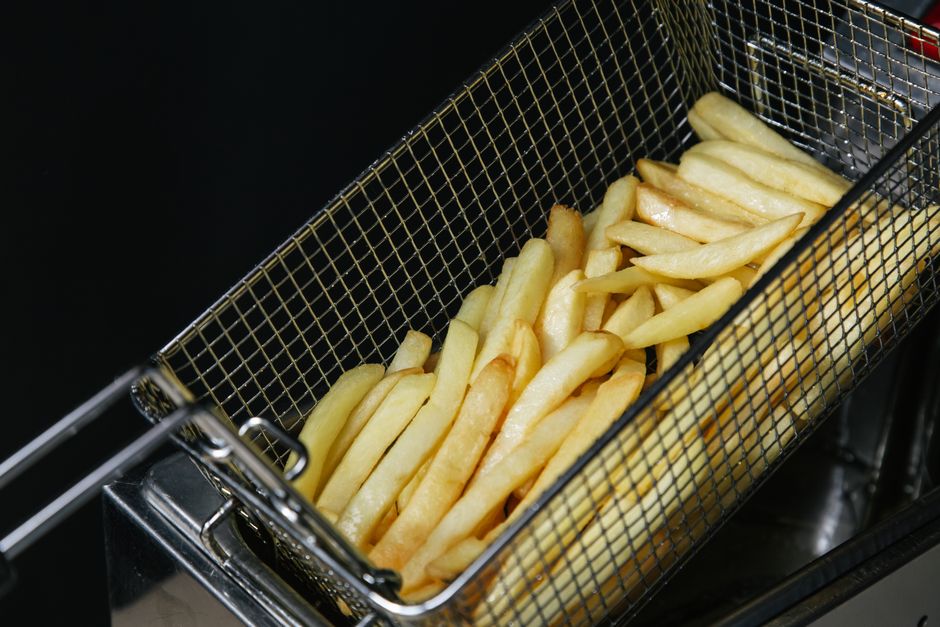
When it comes to achieving crispy, golden-brown textures, air fryers excel with foods like french fries, chicken wings, and breaded items. The concentrated hot air circulation creates an exceptionally crispy exterior while keeping interiors moist. For health-conscious consumers, air fryers can reduce oil consumption by up to 80% compared to traditional frying methods, supporting healthier lifestyle choices alongside proper nutrition and regular physical activity as recommended by CDC guidelines.
Toaster ovens offer superior versatility for different cooking methods. They can toast bread evenly, bake small batches of cookies, broil fish, and reheat leftovers without making them soggy. The larger, more open cooking chamber makes toaster ovens ideal for cooking foods that benefit from gentle, even heat rather than intense air circulation. To learn more about various kitchen appliances and their unique features, you might want to Discover Unique Products at Pendazi in 2026.
For frozen foods, air fryers typically deliver faster results with better texture. However, toaster ovens provide more precise temperature control for delicate baking tasks like making pastries or roasting vegetables that you want caramelized rather than crisped.
Capacity and Kitchen Space Considerations
Space efficiency is crucial in modern kitchens. Standard air fryers typically range from 2 to 6 quarts, making them suitable for individuals or small families. Their compact footprint means they fit easily on crowded countertops, though the basket-style design can limit what you can cook in terms of shape and size.

Toaster ovens generally offer more usable interior space despite having a similar countertop footprint. Their rectangular design accommodates larger items like whole chickens, 9-inch pizzas, or multiple dishes simultaneously. A standard toaster oven can typically fit four to six slices of bread, while larger models can handle even more. For those considering other innovative kitchen gadgets, check out discussions like Toaster Oven vs Drone: Buying Guide 2026.
For those cooking for one or two people, an air fryer’s capacity may suffice. Families of four or more, or those who frequently entertain, often find toaster ovens more practical. However, hybrid models combining both technologies are increasingly popular, offering the best of both worlds at a higher price point.
Energy Efficiency and Cooking Speed
Both appliances are more energy-efficient than heating a full-size oven, but they perform differently. Air fryers typically preheat faster—often in just 3 to 5 minutes—and cook food more quickly due to their compact size and powerful air circulation. This speed translates to lower energy consumption for quick-cooking tasks.
Toaster ovens take slightly longer to preheat, usually 5 to 10 minutes, and cooking times may extend compared to air fryers for similar foods. However, their ability to cook multiple items simultaneously can offset this difference when preparing complete meals.
For everyday efficiency, consider your cooking patterns. If you frequently make quick snacks or single-serving meals, an air fryer’s speed advantage becomes significant. If you regularly prepare multi-component meals or batch-cook for the week, a toaster oven’s larger capacity may prove more energy-efficient overall.
Ease of Use, Cleaning, and Maintenance
User-friendliness varies between models and brands. Most modern air fryers feature digital controls with preset programs for common foods like chicken, fish, or vegetables. The basket design makes food removal straightforward, though tossing or flipping food mid-cook requires removing the entire basket.
Toaster ovens typically offer more manual control over temperature and cooking modes, which experienced cooks appreciate. The rack-and-pan system allows easier access to food during cooking, and the flat surfaces generally simplify monitoring progress. When shopping for kitchen essentials, remember to consider overall value and utility, as guided by Hadazi: Your Guide to Mindful Shopping.
Cleaning presents different challenges. Air fryer baskets often have non-stick coatings and are dishwasher-safe, making cleanup relatively simple. However, the basket’s perforated design can trap food particles in small holes. Toaster ovens require wiping down interior walls and cleaning crumb trays, but their more open design makes reaching all surfaces easier.
Both appliances benefit from regular maintenance. Air fryers need periodic deep cleaning to prevent smoke from accumulated oil residue. Toaster ovens require regular crumb tray emptying and occasional heating element inspection to ensure optimal performance.
Cost Analysis and Long-Term Value
Initial purchase prices vary widely based on features and brand reputation. Basic air fryers start around $50 to $80, while premium models with larger capacities and smart features can exceed $200. Entry-level toaster ovens begin at similar price points, with high-end convection models reaching $300 or more.
Consider the long-term value proposition beyond initial cost. An air fryer dedicated to creating healthier versions of fried foods might encourage better eating habits, potentially offsetting health-related costs over time. Toaster ovens’ versatility might eliminate the need for multiple appliances, saving both money and counter space.
Operating costs remain minimal for both appliances compared to conventional ovens. The deciding factor often comes down to which appliance you’ll actually use consistently. An expensive toaster oven that sits unused provides no value, while a moderately priced air fryer that becomes a daily kitchen workhorse offers excellent return on investment.
Making Your Decision: Which Is Right for You?
Choosing between an air fryer and toaster oven ultimately depends on your specific needs, cooking habits, and lifestyle preferences. Consider an air fryer if you prioritize crispy textures, want to reduce oil consumption, cook primarily for one or two people, and value speed over versatility. They’re ideal for health-conscious individuals looking to enjoy traditionally fried foods with fewer calories.
A toaster oven makes more sense if you need cooking versatility, regularly prepare meals for larger groups, want to bake or broil in addition to air frying, and prefer an appliance that can handle diverse cooking tasks. They’re excellent for replacing multiple appliances and maximizing kitchen efficiency.
For those who can’t decide, hybrid air fryer toaster ovens offer combined functionality, though at a higher price point and larger footprint. These models deliver the crispy results of air frying and the versatility of toaster ovens in a single unit.
As you evaluate your options, think about your most frequent cooking tasks, available counter space, household size, and budget. Both appliances offer genuine value for modern kitchens—the key is matching the right tool to your unique culinary needs.
Whether you’re seeking convenient meal solutions, healthier cooking methods, or simply want to modernize your kitchen capabilities, either choice can enhance your cooking experience and expand your culinary possibilities in 2026 and beyond. For those interested in other modern conveniences, exploring reviews like those for the Vtech Little Apps Tablet: Ultimate Kids’ Learning shows how technology is integrated into various aspects of daily life.
Discover more from Pendazi
Subscribe to get the latest posts sent to your email.









Leave a Reply