


Best Protector Spray for Uggs: a Buyer’s Guide
Ugg boots and slippers are beloved for their soft suede and plush sheepskin lining, but those same materials make them vulnerable to water stains, salt marks, and everyday grime. A good protector spray creates an invisible barrier that helps liquids bead up and roll off instead of soaking in. This guide explains how these sprays work, what to look for, and how to apply them so your Uggs stay looking their best for longer.
Why Uggs Need a Protector Spray
Genuine Ugg footwear is typically made from twin-faced sheepskin or suede, materials that absorb moisture readily. Once water penetrates suede, it can leave a darkened ring, stiffen the nap, and, in the case of salt stains from winter sidewalks, leave a permanent white tide line. Because suede and sheepskin are delicate, conventional cleaning methods can do more harm than good, which is why prevention matters so much.

A protector spray works by depositing a thin, breathable layer of water-repellent compounds across the surface fibers. Rather than forming a plastic-like coating, quality formulas aim to let the material breathe while encouraging water, coffee, mud, and other spills to bead up before they can be absorbed. Think of it as a raincoat for your boots rather than a waterproof seal.
It is worth noting what a protector spray cannot do. It is not a substitute for deep cleaning, it will not restore suede that has already been stained, and it does not make footwear fully waterproof. Heavier exposure, such as walking through deep puddles or slush, can still overwhelm the treatment. For that reason, reapplication and prompt blotting remain part of the routine.
Key Ingredients and Types of Protector Spray
Protector sprays generally fall into a few broad categories, and understanding them helps you choose wisely, especially if you have sensitivities or prefer certain formulations.

- Fluoropolymer-based sprays: These are among the most effective at repelling both water and oil-based stains. They tend to be durable but are the subject of increasing environmental scrutiny, and some shoppers prefer to avoid them.
- Water-based, fluorocarbon-free sprays: A growing category that emphasizes lower environmental impact. Performance has improved considerably, though oil resistance may be slightly weaker than fluoropolymer formulas.
- Silicone-based sprays: Often budget-friendly and easy to apply, but they can darken suede or leave a residue if over-applied.
- Nano or ceramic-infused formulas: Marketed for their ability to bond with fibers at a fine scale. Results vary by brand, so reading reviews matters.
For Uggs specifically, look for sprays labeled as safe for suede, nubuck, and sheepskin. Formulas designed for smooth leather or synthetic fabrics may not be appropriate for the nap of suede and can alter its texture or color. Always check the manufacturer’s compatibility notes before spraying.
What to Look for When Choosing a Spray
With dozens of options on the market, a few criteria help narrow the field.

Material compatibility
The single most important factor is whether the product is explicitly suitable for suede and sheepskin. Some sprays are multi-surface and safe for these materials; others are not. Avoid anything that promises to “seal” or “waterproof” suede, as these products often contain ingredients that can stiffen or discolor the nap.
Breathability and finish
Uggs rely on the breathability of sheepskin to regulate temperature. A protector that leaves a heavy film can compromise comfort. Look for formulas described as breathable and colorless, and test on a small hidden area first to confirm the suede does not darken or change texture.
Environmental and safety considerations
Because sprays are applied in an aerosolized mist, it is sensible to consider ventilation needs and ingredient disclosures. If you prefer to avoid fluoropolymers, there are now credible water-based alternatives. Whichever you choose, apply outdoors or in a well-ventilated space and follow label instructions, including drying times.
Durability and reapplication frequency
Most protector sprays are not permanent. Depending on wear and weather, you may need to reapply every few weeks during heavy use seasons, or after cleaning. Products that survive multiple wears between applications generally offer better value. If you wear your Uggs daily in wet or snowy conditions, plan on more frequent treatments. For those also considering new footwear, this buyer’s guide to Ugg platform slippers can help you match the right pair to your care routine.
How to Apply Protector Spray Correctly
Application technique matters as much as the product itself. A careful routine protects both the footwear and the finish.
- Start with clean, dry footwear. Dirt and oils trapped under the spray can reduce effectiveness. Brush off loose debris with a suede brush and allow boots to dry fully at room temperature if they are damp.
- Test a hidden spot. Spray a small area, such as the inside of the heel or a less visible patch, and let it dry to check for discoloration.
- Work in a ventilated area. Outdoors or near an open window is ideal. Protect surrounding surfaces with newspaper or a cloth.
- Apply in light, even passes. Hold the can the distance recommended on the label and mist evenly, overlapping strokes slightly. Avoid saturating the material.
- Let it dry completely. This typically takes several hours, sometimes overnight. Do not wear the boots or expose them to heat during drying, as this can set the spray unevenly.
- Reapply as needed. Refresh the treatment after cleaning or when you notice water no longer beading on the surface.
For those looking to pair protection with responsible care, resources like Vogue occasionally cover footwear care and seasonal maintenance trends, offering broader context on keeping suede and sheepskin in good condition.
Common Mistakes to Avoid
Even a good protector spray can underperform if applied incorrectly. Watch for these common pitfalls.
- Spraying dirty boots: Always clean first. Spraying over grime traps it against the material.
- Over-applying: Drenching the suede can lead to dark patches, stiffness, or uneven absorption. A light, even mist is sufficient.
- Using the wrong product: A spray intended for smooth leather, canvas, or technical fabrics may not be suited to suede and can alter the nap or color.
- Skipping the patch test: Colors and finishes vary, and a small test area prevents unpleasant surprises on a full boot.
- Drying near heat: Radiators, hair dryers, and direct sun can set stains or cause the material to crack. Air-dry at room temperature instead.
- Assuming permanent protection: Most treatments wear off with use. Regular reapplication is part of ongoing care.
Building a Complete Ugg Care Routine
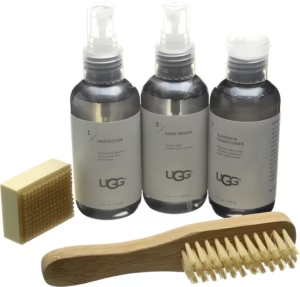
A protector spray is one piece of a broader maintenance strategy. A suede brush helps restore the nap and lift light dirt between treatments. A dedicated suede eraser can address scuffs, and a cleaning kit designed for sheepskin is useful when deeper cleaning is needed. Store boots away from direct sunlight and heat, and consider using cedar shoe trees to help retain shape and manage moisture between wears.
Keeping a small care kit on hand makes it easier to address spills quickly, which is when they are most manageable. Blot liquids immediately with a clean cloth rather than rubbing, and allow the area to air-dry before brushing. A well-organized carrier makes errands and everyday outings simpler, so if you are upgrading your accessories this season, see this guide to the best organized tote bag options.
If you are assembling a care kit alongside other lifestyle essentials, curated online retailers such as Pendazi offer a diverse selection of home, lifestyle, and apparel products that can complement your routine. You can also explore a guide to curated online shopping for tips on sourcing quality essentials in one place.
Conclusion
Choosing the best protector spray for Uggs comes down to material compatibility, a breathable and colorless finish, and a formula that aligns with your preferences on ingredients. There is no single universal winner, because the right choice depends on how often you wear your boots, the climate you live in, and whether you prioritize maximum oil and water resistance or a more environmentally conscious formulation. Whichever spray you select, clean and dry your footwear first, test a hidden patch, apply light even coats, and let everything dry fully before wearing. Combined with regular brushing and prompt attention to spills, a good protector spray will help your Uggs resist the wear and tear of everyday life.
Discover more from Pendazi
Subscribe to get the latest posts sent to your email.









Add comment