

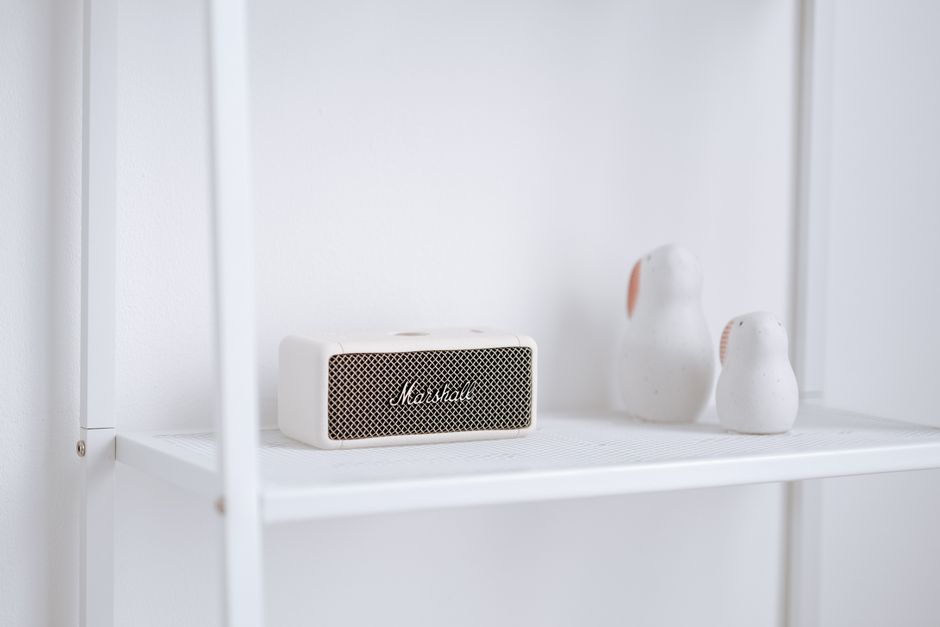
Best Mid-priced Bluetooth Speakers
A good Bluetooth speaker can change how you listen at home, in the garden, or on the go. The middle of the market is where value tends to concentrate: you spend enough to get real bass, sensible battery life, and sturdy construction, without paying flagship prices for features you may never use. This guide explains what “mid-priced” actually means in 2026, which specifications matter, and how to choose wisely — whether you are buying for yourself or as a gift. If your budget is tighter, see our Best Inexpensive Bluetooth Speaker Guide for entry-level picks.
What Counts as Mid-Priced in 2026
Pricing in the portable speaker market moves constantly, so it helps to think in tiers rather than exact figures. Budget speakers are typically small, plastic, and built around a single full-range driver. Mid-priced models generally sit in the comfortable middle: they cost more than entry-level options but well below premium flagship lines, and that step up usually buys you tangible improvements rather than just a brand name.
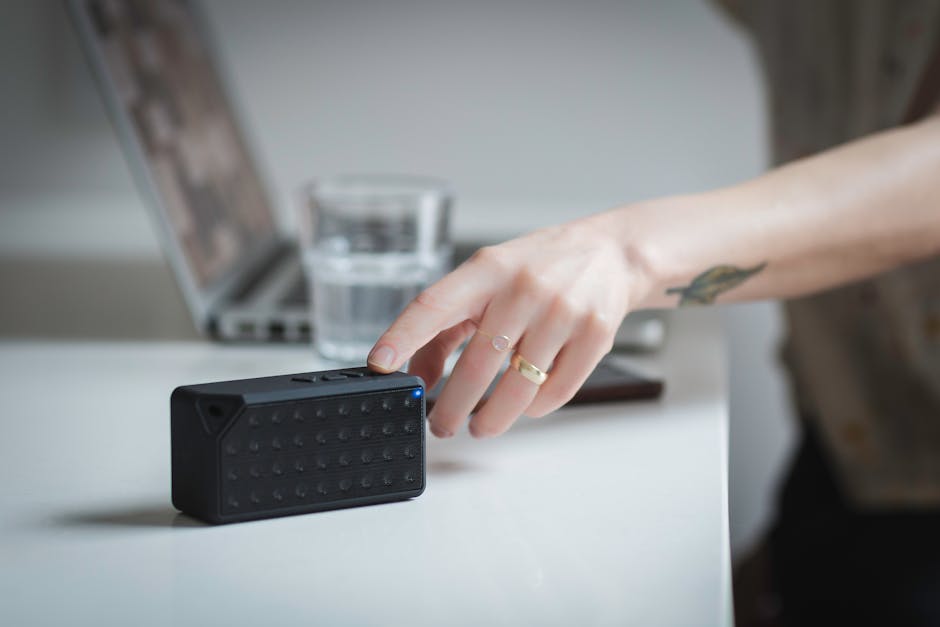
The practical signs of a mid-priced speaker include:
- Two or more drivers, often a woofer paired with a tweeter, or a passive radiator for deeper bass.
- Higher power output, which means the speaker can fill a room without distorting.
- Better durability, including IP ratings for dust and water resistance.
- Longer battery life, often in the 12–24 hour range depending on volume.
- More connection options, such as USB-C charging, auxiliary input, and sometimes app-based EQ.
Above this tier, you start paying for premium materials, advanced room-tuning, and brand prestige. Below it, you compromise on bass and build quality. The middle is the sweet spot for most listeners.
Sound Quality: What to Listen For
Specifications tell only part of the story. Driver size, frequency range, and wattage are useful starting points, but the way a speaker is tuned matters just as much. A well-engineered mid-priced speaker tends to sound balanced: voices remain clear, instruments are separated, and bass is present without overwhelming everything else.

When comparing models, consider these points:
- Bass extension. Passive radiators and larger woofers help small speakers produce low frequencies. Look for honest low-frequency figures rather than inflated peak wattage claims.
- Clarity at volume. Many speakers sound fine at low levels but distort when turned up. Reviews that test loud playback are more useful than spec sheets alone.
- Stereo versus mono. Single-unit speakers are often mono. Some mid-priced models allow pairing two units for true stereo separation.
- Equalisation. A companion app with EQ presets lets you adjust the sound to your room and taste.
For style-conscious buyers, design and finish matter too. Publications such as Vogue regularly cover how audio products fit into home interiors, which is a reminder that a speaker is often a visible object, not just a gadget.
Battery Life, Durability, and Portability
Battery claims are usually measured at moderate volume. In real use — especially outdoors at higher levels — expect somewhat less than the advertised figure. As a rule of thumb, a mid-priced speaker with a claimed 15–20 hours should comfortably cover a day out or several evenings of indoor listening between charges.
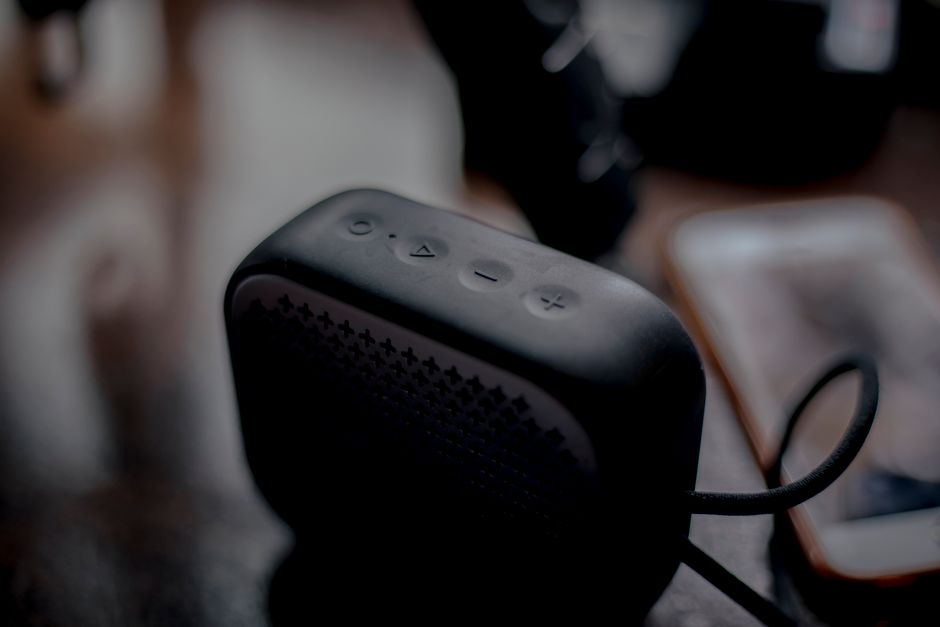
Durability is where the middle tier earns its keep. An IP67 rating means the speaker is dust-tight and can survive brief immersion, while IPX4 handles splashes. If you plan to take a speaker to the beach, pool, or kitchen, prioritise water resistance. Weight and size matter as well: a speaker that is easy to carry is more likely to be used.
Buy for the way you actually listen. A rugged, waterproof speaker that travels with you is often more valuable than a slightly better-sounding one that stays on a shelf.
Charging standards deserve a mention. USB-C is now the norm, and fast charging — where a short top-up yields hours of playback — is a genuinely useful feature on mid-priced models.
Connectivity and Smart Features
Bluetooth range and stability have improved across the board. Most current speakers support Bluetooth 5.x, which offers better power efficiency and more reliable connections. Beyond the basics, check for:
- Multipoint pairing, so you can switch between a phone and a laptop without reconnecting.
- Speakerphone capability, including a built-in microphone for calls.
- Stereo pairing with a second identical unit.
- App support for firmware updates, EQ, and sometimes voice assistant integration.
- Wired inputs such as a 3.5 mm auxiliary jack, useful for older devices.
Be realistic about extras. Smart assistants and elaborate lighting can be appealing, but they add cost. If your priority is sound and durability, spend your budget there. If you are buying as a gift, a well-designed speaker from a curated selection can be a safer choice than a feature-heavy model the recipient may not need — much like the approach outlined in Apiganiz: a Guide to Curated Online Shopping.
How to Choose and Where to Buy
Start with your use case. Indoor listening favours sound quality and design; outdoor use favours water resistance and battery life; travel favours size and weight. Then set a budget within the mid range and compare three or four candidates on driver configuration, IP rating, battery claims, and app support.
Read reviews from multiple sources, and pay attention to long-term reports about reliability and customer service. Listening in person, where possible, remains the best test — especially for bass response and clarity at higher volumes. Buyers with sleep or wellness routines in mind may also find it helpful to consider how they will use audio at home; guidance on creating a restful environment from the Sleep Foundation can inform choices about bedroom audio and volume habits.
When shopping online, check the returns policy and warranty terms. A two-year warranty is a reasonable benchmark for mid-priced electronics. Confirm that the seller is authorised, and verify the model number against the manufacturer’s listing to avoid grey-market stock.
Retailers that curate across categories — such as Pendazi, which offers electronics alongside gifts, home decor, and lifestyle products — can be convenient when you are choosing a speaker as part of a larger purchase or a gift. Compare specifications carefully, and favour listings that clearly state the warranty and return terms.
Common Mistakes to Avoid
- Chasing wattage alone. Power figures are measured inconsistently; tuning and driver quality matter more.
- Ignoring the IP rating. If the speaker will live near water, check the exact rating rather than assuming “water resistant” is enough.
- Overpaying for unused features. Voice assistants and lighting are nice, but they should not come at the expense of sound and build.
- Skipping the app ecosystem. A speaker without firmware updates may fall behind on compatibility and bug fixes.
- Forgetting about size. A large speaker that sounds great may rarely leave the house.
Conclusion
The best mid-priced Bluetooth speaker is the one that matches your listening habits, your environment, and your budget — not necessarily the one with the longest spec sheet. Prioritise balanced sound, a realistic battery rating, sensible water resistance, and USB-C charging, and you will get most of the premium experience for a fraction of the cost. Take time to compare a shortlist, read independent reviews, and confirm warranty and returns policies before you buy. Chosen carefully, a mid-priced speaker can serve as a dependable everyday companion for years.
Discover more from Pendazi
Subscribe to get the latest posts sent to your email.






Add comment