

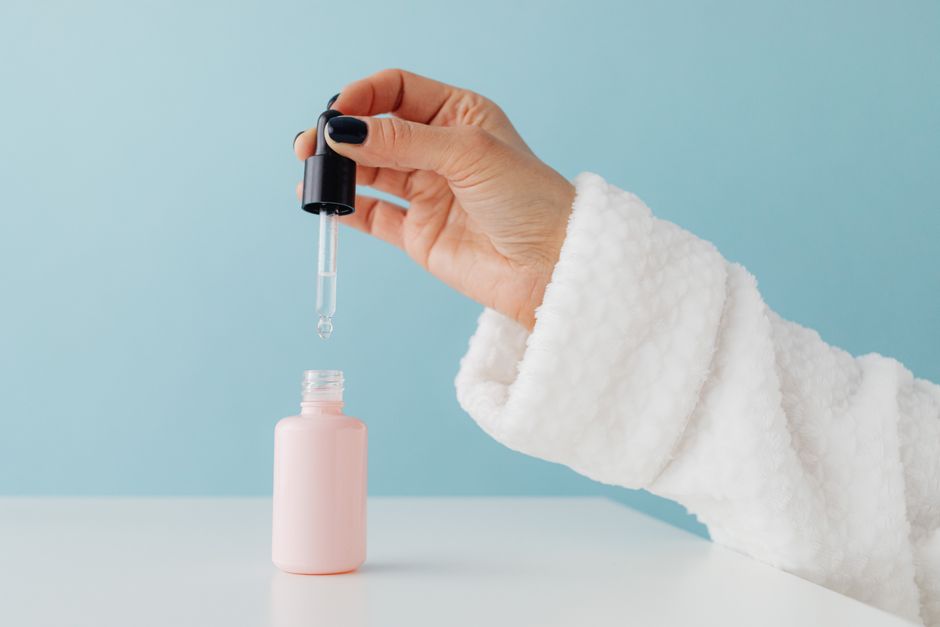
Best Serums to Use in the Morning
Morning skincare has a different job from the evening routine. Overnight, your skin is in repair mode; during the day, it faces UV light, pollution, temperature swings, and makeup. A well-chosen morning serum is the step that bridges cleansing and moisturizing, delivering a concentrated dose of actives that support protection, hydration, and a smooth base for the rest of your routine.
This guide explains what to look for in an AM serum, which ingredient categories earn their place before breakfast, and how to layer them without irritation. It is educational rather than prescriptive — skin is individual, and a serum that suits one person may not suit another.
What Makes a Serum a Good Morning Choice
A serum is a lightweight, fast-absorbing formulation with a higher concentration of active ingredients than a typical moisturizer. That concentration is useful, but it also means the morning slot should favor ingredients that are compatible with sun exposure and with whatever you apply afterward. If you are narrowing down options, this overview of the best serum for morning routine can help frame the decision.

Three practical criteria help narrow the field:
- Photostability and daytime compatibility. Some actives, notably retinoids, degrade in sunlight and are better reserved for evening. Morning is the time for antioxidants, hydrators, and barrier support.
- Layering behavior. A morning serum should absorb without pilling under sunscreen and makeup. Water-based gels and thin emulsions usually layer more reliably than rich oils.
- Tolerance under real conditions. Heat, sweat, and repeated application all affect how skin responds. Gentle, well-formulated actives tend to be more forgiving in a daytime routine.
It also helps to keep the routine short. A single well-formulated antioxidant or hydrating serum often does more than three products competing for the same layer.
Vitamin C Serums: The Classic AM Antioxidant
Vitamin C (L-ascorbic acid and its derivatives) is the most established morning serum category. It is an antioxidant, meaning it helps neutralize free radicals generated by UV exposure and pollution, and it plays a role in supporting collagen production. Because those environmental insults peak during daylight hours, applying an antioxidant in the morning is a logical placement.

Formulation matters more than the headline percentage. L-ascorbic acid is unstable and works best at low pH alongside ferulic acid and vitamin E, which help stabilize it. Derivatives such as sodium ascorbyl phosphate or tetrahexyldecyl ascorbate are often gentler and more stable but may behave differently on skin.
Practical notes for morning use:
- Start with a lower concentration or a derivative if your skin is sensitive, and build up gradually.
- Apply to clean, dry skin before moisturizer and sunscreen.
- Store the bottle away from light and heat, and replace it if it turns dark orange or brown — that signals oxidation.
Vitamin C is a complement to sunscreen, never a replacement. Broad-spectrum SPF remains the single most effective daytime skincare step, a point consistently emphasized in beauty reporting such as Vogue.
Niacinamide and Barrier-Support Serums
Niacinamide (vitamin B3) is one of the most versatile morning actives. It supports the skin barrier, helps regulate excess sebum, and can improve the appearance of uneven tone and enlarged-looking pores. It is generally well tolerated, stable in daylight, and layers easily with both vitamin C and sunscreen — though very sensitive skin may prefer to alternate rather than stack high concentrations of both.

Barrier-support serums often pair niacinamide with ceramides, panthenol, or glycerin. These are particularly useful if you use exfoliating acids or retinoids at night, since a compromised barrier shows up fastest in the morning as tightness, flaking, or stinging.
For anyone building a first serum routine, a niacinamide-and-hydration serum is often the most forgiving starting point: it rarely causes photosensitivity and works alongside most other products.
Hyaluronic Acid and Hydrating Serums
Hyaluronic acid, glycerin, and similar humectants draw water into the upper layers of skin, giving a plump, smooth appearance that makes a good base for makeup. On dehydrated or oily-but-dehydrated skin, a lightweight hydrating serum in the morning can reduce the temptation to over-moisturize.
One caveat: humectants work best when sealed in. Apply the serum to slightly damp skin and follow with a moisturizer containing occlusive ingredients. In very dry climates, a humectant applied to completely dry skin can sometimes feel tight rather than hydrating.
Hydrating serums are also the least likely to conflict with other actives, which makes them useful as a buffer layer if you are introducing something new.
How to Layer Morning Serums Correctly
Order matters, but simplicity matters more. A reliable sequence is:
- Cleanse — a gentle cleanser is enough in the morning for most skin types.
- Treat — apply your serum of choice, thinnest texture first if using more than one.
- Moisturize — seal in hydration and support the barrier.
- Protect — broad-spectrum sunscreen as the final skincare step, before makeup.
If you want to use both vitamin C and niacinamide, apply them sequentially and watch for any stinging; there is no universal rule that they cancel each other out, but individual tolerance varies. Avoid stacking multiple strong acids in the morning, and give any new serum two to four weeks before judging results.
Common Morning Serum Mistakes
Most problems with morning serums come from routine design rather than the products themselves.
- Skipping sunscreen. Actives that support skin renewal can increase sensitivity, and antioxidants do not replace UV protection.
- Using retinoids in the AM. Retinoids are better suited to evening because they can make skin more photosensitive.
- Over-layering. Three serums plus an essence plus a moisturizer increases the chance of pilling and irritation without proportional benefit.
- Ignoring sleep. Skin repair happens largely overnight, and insufficient sleep shows up in the morning routine. Guidance from the Sleep Foundation on sleep hygiene is a useful complement to any skincare regimen.
- Judging too quickly. Barrier and tone improvements typically take weeks, not days.
Patch testing a new serum on the inner forearm or jawline for a few days is a sensible habit, especially with vitamin C and concentrated niacinamide.
Choosing a Morning Serum for Your Skin Type
As a rough framework: oily and combination skin often do well with lightweight niacinamide or gel-textured antioxidant serums; dry skin benefits from hydrating serums layered under a richer moisturizer; sensitive skin may prefer derivative vitamin C or simple barrier serums over high-strength acids; and anyone using prescription actives should check with a dermatologist before adding new products.
If you are shopping across categories — beauty, wellness, gifts, and everyday essentials — a curated marketplace such as Pendazi can be a convenient place to compare options in one place, though reading the full ingredient list on each product page remains the most reliable way to choose. Tote bags are a good example of how a well-organized everyday carry option can complement a streamlined morning routine.
Conclusion
The best morning serum is the one that matches your skin’s tolerance and fits consistently into a short, sustainable routine. Antioxidants like vitamin C support daytime defense, niacinamide strengthens the barrier, and hydrating serums create a smooth, comfortable base. Whatever you choose, sunscreen finishes the job — and consistency over months, not days, is what makes the difference.
Discover more from Pendazi
Subscribe to get the latest posts sent to your email.












Add comment