

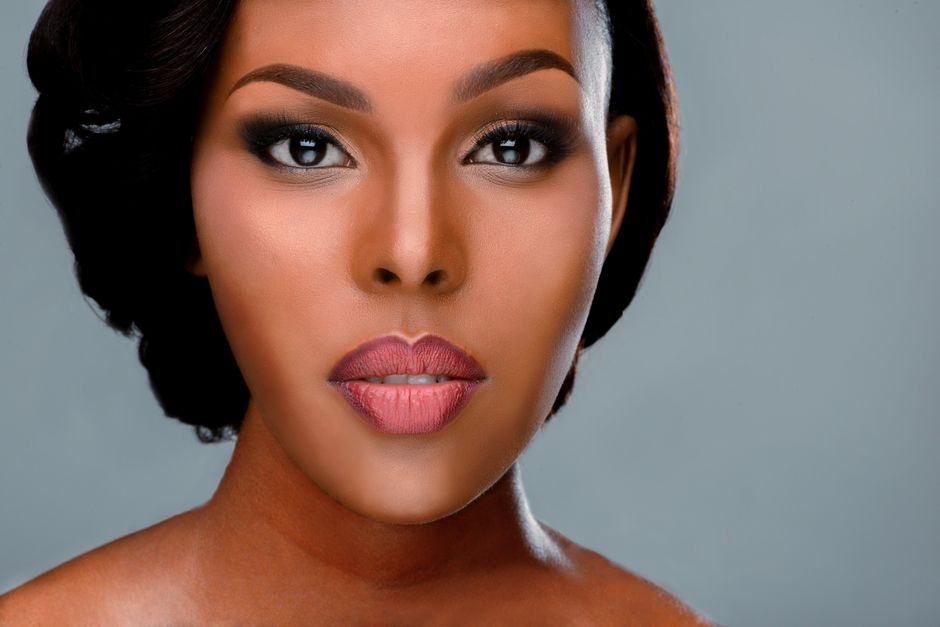
Fabby Lipstick Mac: a Complete Guide
If you have ever typed “fabby lipstick mac” into a search bar, you are probably trying to make sense of two things at once: the viral “fabby” lipstick trend and the enduring popularity of MAC Cosmetics lipsticks. Both have their own story, and both matter if you are shopping for a new shade in 2026. This guide breaks down what each term means, how the products differ, and how to choose the right lipstick for your needs.
What Does “Fabby Lipstick” Mean?
“Fabby” is an informal British slang word meaning fabulous, excellent, or stylish. In beauty circles, it is often used as a casual descriptor for a lipstick that looks especially glamorous, flattering, or on-trend. You will see it in social media captions, review titles, and conversations between makeup lovers who want a quick way to say a shade looks fantastic.
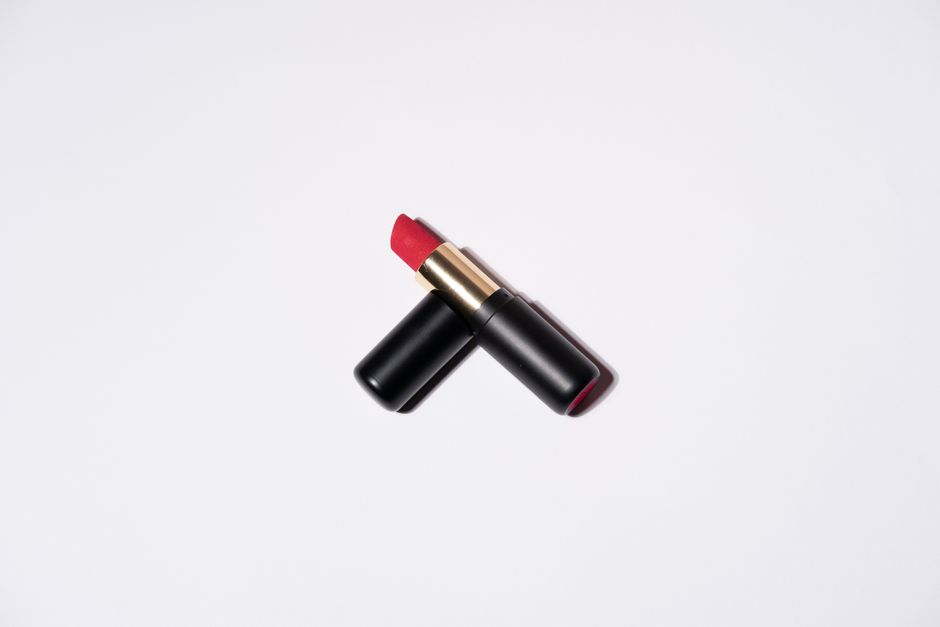
It is important to understand that “fabby lipstick” is not a single official product line from a major cosmetics brand. Instead, it functions as a descriptive phrase. When someone says a lipstick is “fabby,” they are praising its colour payoff, finish, or overall effect rather than referring to a specific SKU. This distinction matters because shoppers sometimes search for “fabby lipstick” expecting to find one exact product, when in reality the term applies to many different lipsticks across many brands.
Where the Term Shows Up
- Social media captions describing a favourite shade
- Informal product reviews and hauls
- Beauty forum discussions about flattering colours
- Casual recommendations between friends
Because the word is descriptive rather than branded, the practical takeaway is simple: if you want a “fabby” lipstick, you are really shopping for a lipstick that suits your skin tone, lifestyle, and preferred finish. Brand and formula come second to that match.
MAC Lipstick: Why It Remains a Benchmark
MAC Cosmetics has been a fixture in professional makeup kits and everyday vanity tables for decades. The brand built its reputation on a wide shade range, dependable pigment, and a formula lineup that covers nearly every finish imaginable. As of 2026, MAC lipsticks remain a reference point that other brands are measured against, partly because the shade library is so deep and partly because the formulas are consistent from batch to batch.

MAC’s cultural credibility is well documented in the fashion press. Publications such as Vogue have long covered the brand’s influence on runway and editorial beauty, which helps explain why a single MAC shade can become a household name almost overnight. For a deeper look at how one particular MAC shade captured attention, the Dubonnet Buzz Mac complete guide is worth reading.
Common MAC Lipstick Finishes
Understanding finishes is the fastest way to predict how a lipstick will look and wear. MAC organises most of its lipsticks into a handful of finish families:
- Matte: Full coverage with a flat, velvety look and strong staying power. Can feel drier on the lips.
- Amplified: Creamy, opaque, and comfortable, with a slight sheen.
- Lustre: Sheer to medium coverage with a glossy, moisturising feel.
- Satin: A soft, semi-matte finish that balances comfort and longevity.
- Cremesheen: Glossy, hydrating, and easy to reapply.
- Retro Matte: The driest and longest-wearing option, with intense colour payoff.
Each finish behaves differently depending on lip condition, climate, and how you prep your lips beforehand. A matte that feels comfortable in a humid city might feel tight in a dry, cold one.
How to Choose the Right Shade for You
Shade selection is where most shoppers get stuck. A colour that looks stunning in a photo can look completely different against your natural lip tone and skin undertone. A few practical guidelines help narrow the field quickly.
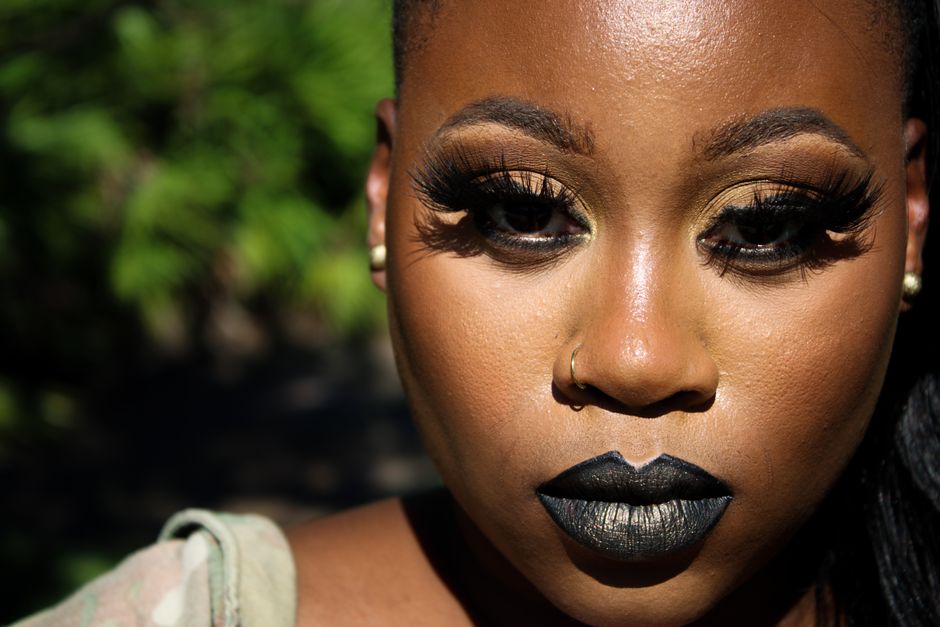
- Identify your undertone. Warm undertones tend to suit corals, brick reds, and warm browns. Cool undertones often shine in blue-based reds, berries, and mauves. Neutral undertones can wear most things.
- Consider your natural lip pigment. If your lips are naturally deep or pink, sheer formulas will shift colour more than opaque ones.
- Match the occasion. A bold matte red reads formal or evening. A sheer nude or tinted balm suits daytime and office wear.
- Think about tooth colour. Blue-based reds tend to make teeth appear whiter, while very orange or brown shades can bring out yellow tones.
- Test in natural light. Store lighting is notoriously misleading. Step outside or use a window when possible.
For anyone building a curated collection, a sensible approach is to own one dependable nude, one flattering everyday pink or rose, and one statement shade such as a red or berry. That trio covers the vast majority of situations.
Lip Prep: The Step Most People Skip
Even a premium lipstick performs poorly on dry, flaky lips. Prep is inexpensive and makes a visible difference.
- Exfoliate gently once or twice a week with a lip scrub or a soft damp cloth.
- Apply a thin layer of lip balm ten minutes before lipstick, then blot the excess.
- Use a lip liner to define the edges and reduce feathering, especially with creamy formulas.
- Avoid licking your lips, which accelerates moisture loss.
Hydration also plays a role from the inside out. General wellness guidance from sources such as the Sleep Foundation consistently links adequate rest and hydration to healthier skin, and lips are no exception. If your lips are persistently cracked, the culprit is often dehydration, dry indoor air, or a reaction to a product rather than the lipstick itself.
MAC versus Other Brands: What Actually Differs
Shoppers often ask whether MAC is worth the price compared with drugstore alternatives. The honest answer depends on what you value.
Where MAC Excels
- Shade range: Few brands match the breadth of tones, including deep and cool shades that are frequently underserved elsewhere.
- Consistency: Rebuying the same shade usually delivers the same result.
- Finish variety: The range covers almost every texture preference.
- Professional trust: Long-standing use by makeup artists gives it credibility.
Where Budget Options Compete
- Price per unit is often significantly lower.
- Many modern drugstore formulas have closed the quality gap considerably.
- Easy accessibility in supermarkets and pharmacies.
If you wear lipstick daily and care about exact shade matching, a premium option can be justified. If you experiment with trends or wear lipstick occasionally, a mix of budget and premium picks is often the smartest strategy.
Shopping for Lipstick Online in 2026
Online shopping has changed how people discover lipsticks. Shade names alone are unreliable, so reviewers, swatch photos, and video comparisons have become essential research tools. When buying online, look for:
- Multiple swatch photos in different lighting conditions
- Details on finish, coverage, and wear time
- Ingredient lists if you have sensitivities
- Clear return or exchange policies
Curated marketplaces make this easier because they group related categories together and surface products from a range of brands in one place. That is helpful when you are comparing a MAC shade against a boutique or indie alternative without opening twenty tabs. Platforms like Pendazi bring together beauty, lifestyle, and gift categories, which suits shoppers who want to browse broadly rather than commit to a single brand counter.
Practical Buying Checklist
- Confirm the finish before you buy, since the same shade name can exist in several formulas.
- Check the expiry guidance. Lipstick typically keeps well for around 18 to 24 months after opening.
- Store it away from direct heat and sunlight to prevent melting and texture changes.
- Read recent reviews rather than only the oldest ones, as formulas get reformulated.
Common Mistakes to Avoid
A few recurring errors undermine even the best lipstick purchase.
- Buying purely on a photo. Filters and lighting distort colour significantly.
- Ignoring undertone. A beautiful shade can look off if it clashes with your skin’s warmth or coolness.
- Over-applying. More layers do not equal better wear, and they often cause cakiness.
- Skipping liner with creamy formulas. Feathering is common without a defined edge.
- Neglecting storage. Heat ruins texture faster than most people expect.
Avoiding these pitfalls costs nothing and saves both money and frustration. Storing your makeup kit properly also helps — if you carry products around, a well-organised setup like these durable tote bags for work can keep everything protected and tidy.
Conclusion
“Fabby lipstick mac” combines a playful slang descriptor with one of the most recognised names in cosmetics, and understanding both helps you shop more effectively. “Fabby” simply means fabulous, so the real work is matching finish, shade, and formula to your skin tone and daily routine. MAC remains a strong benchmark in 2026 thanks to its shade depth and consistent quality, but it is not the only good option. Prep your lips, verify the finish before buying, and shop through a curated retailer so you can compare brands side by side. Do that, and the lipstick you choose will genuinely earn the word fabby.
Discover more from Pendazi
Subscribe to get the latest posts sent to your email.





Leave a Reply