

Durable Tote Bags for Work: a 2026 Guide
A tote bag has become the default work bag for millions of people, and for good reason. It is open, easy to pack, socially flexible, and far less rigid than a briefcase or a backpack. But not every tote survives the daily commute. A bag that looks sturdy in a product photo can fray at the strap seams within months, sag under the weight of a laptop, or lose its shape after one rainy walk to the office. This guide explains what actually makes a tote bag durable for work, which materials and construction details matter, and how to choose a bag that still looks professional after a year of daily use in 2026.
Why Totes Fail at Work (and What Durability Really Means)
Durability is not a single property. A work tote has to survive several different kinds of stress at once, and different bags fail in different ways.
- Load stress: A laptop, charger, water bottle, notebook, and lunch can easily push a tote past 10 pounds (4.5 kg). The weight concentrates at the strap attachment points, which is where most bags tear first.
- Abrasion: Bags rub against desk edges, transit seats, car doors, and the ground. Thin fabric abrades and pills quickly at corners.
- Weather exposure: Rain and snow break down untreated canvas, damage unsealed leather, and can soak through to electronics.
- Shape loss: Bags without structure or lining collapse into a shapeless sack, which looks unprofessional and makes contents harder to find.
- Hardware failure: Zippers, clasps, and rivets are common failure points. Cheap zipper tape splits; painted hardware flakes.
A durable work tote addresses all five. That usually means dense, high-denier fabric or full-grain leather, reinforced stitching at stress points, metal hardware rather than plastic, and some form of internal structure such as a padded laptop sleeve or a semi-rigid base panel.
Materials Compared: Canvas, Leather, Nylon, and Recycled Fabrics
The material determines the ceiling on how long a bag can last, though construction quality matters just as much. Much like the Dr Martens 1460 Pascal Mono, a well-built bag rewards you with years of reliable service when the materials and construction are chosen carefully.

Heavyweight canvas (16 oz and up)
Cotton canvas remains the most popular tote material because it balances durability, cost, and looks. The key number is weight: 12 oz canvas is light and casual, while 16 oz to 24 oz canvas is dense enough for daily work use. Waxed canvas adds water resistance, though the wax coating gradually wears and can be re-applied. Canvas is not waterproof on its own, so unlined canvas totes are a poor choice if you carry a laptop and commute in wet weather.
Full-grain and top-grain leather
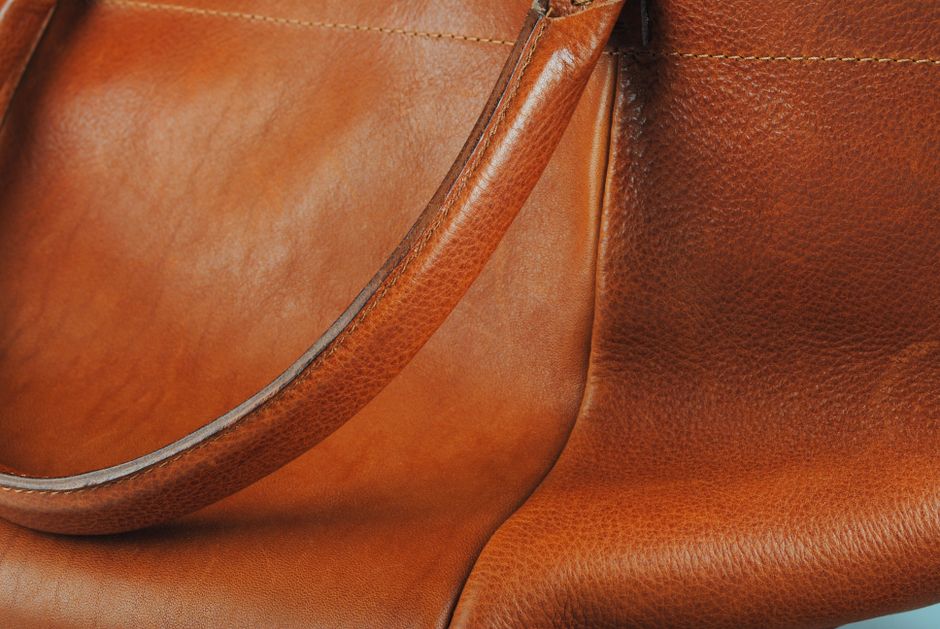
Leather totes are the most durable option in absolute terms, and they age rather than degrade if cared for. The critical distinction is grain. Full-grain leather retains the entire hide surface and develops a patina over years; bonded leather is essentially leather dust glued to a backing and will peel. For a work bag you carry daily, full-grain or top-grain is worth the premium. Leather needs occasional conditioning and should not be soaked, though light rain is generally fine.
Ballistic and Cordura nylon
High-denier nylon, particularly ballistic nylon and Cordura, is exceptionally abrasion-resistant and water-repellent. It is lighter than leather, holds up well to rough commutes, and is often used in bags designed for laptops. The trade-off is aesthetics: nylon totes read more casual and athletic than leather or canvas, which may not suit conservative offices.
Recycled and technical fabrics
Many 2026 brands now use recycled polyester, recycled nylon, or solution-dyed fabrics. These can be genuinely durable, but quality varies enormously. Look for a stated denier (600D and above is a reasonable baseline for work use) and a water-repellent finish rather than vague “eco-friendly” claims.
Construction Details That Separate Good Bags From Bad
Two totes can use the same fabric and perform very differently. When evaluating a bag, check these specifics:
- Strap attachment method: Straps stitched only to the top hem of the bag will pull out. Better bags wrap straps down the side of the body, use box-X stitching, and add rivets or bar-tack reinforcement.
- Strap width and padding: Straps at least 1.5 inches (roughly 3.8 cm) wide distribute weight across the shoulder. Padded straps matter if you regularly carry more than 8 pounds.
- Stitching density: Look for tight, even stitching with 8–10 stitches per inch. Loose stitching and long, unsecured thread tails signal cost-cutting.
- Lining: A lined interior protects the outer fabric from the inside and hides seam allowances. A contrasting light lining makes contents easier to find.
- Laptop protection: If you carry a laptop, a dedicated padded sleeve with a secure closure is far safer than letting the device slide around with keys and a water bottle.
- Zipper or closure: An open top is convenient but exposes contents to rain and pickpockets. A top zipper or a flap with a strong magnetic or metal clasp adds security.
- Base reinforcement: A reinforced or feet-protected base prevents corner wear, which is where fabric totes usually fail first.
Matching the Bag to Your Commute and Work Culture
Durability requirements shift depending on how you get to work and what your office expects.
Public transit and walking commutes put the highest demands on a bag. You need water resistance, a secure closure, comfortable straps, and a shape that does not swing into other people. Nylon and waxed canvas excel here — much like the way a double layer umbrella handles weather with an extra layer of protection, a well-lined tote shields your laptop and documents from the elements. Leather works too if you accept the weight and maintenance.
Car commuters can prioritize looks and capacity. A structured leather tote with a wide opening and a stable base is a natural fit, since the bag spends most of its life on a seat rather than against your body.
Hybrid and remote workers who carry a bag only a few days a week can choose something more fashion-forward and less utilitarian without sacrificing much lifespan, because the bag accumulates less wear per year.
Creative and casual offices tolerate canvas, nylon, and bold colors. More formal environments still tend to reward structured leather or dark, clean-lined canvas in neutral tones. Fashion coverage consistently shows that a well-made structured tote reads as professional across seasons — see, for example, the bag and accessory coverage at Vogue — but the practical durability question matters more than the trend cycle when you use the same bag every day.
If you are building a broader work-and-lifestyle kit, it helps to think about the bag alongside the other items you carry daily. Sleep quality, for instance, affects how early you pack and how rushed your mornings are, and a bag that makes your routine frictionless is worth more than one that merely looks good — the Sleep Foundation has useful guidance on routines that reduce morning friction, which is exactly when a well-organized tote pays off.
How to Care for a Tote So It Lasts for Years
Even the best bag degrades faster without basic maintenance. A few habits extend lifespan significantly:
- Empty and air the bag weekly. Crumbs, receipts, and moisture trapped in the lining shorten a bag’s life and create odor.
- Rotate bags if you can. Giving a bag a day or two of rest lets fabric and leather recover, especially after rain. Just as you would check whether your Ugg protector spray has expired before treating your footwear, make sure any protective products for your bag are still within their usable window.
- Condition leather two to four times a year with a product appropriate to the finish, and test on a hidden area first.
- Re-wax canvas annually if you rely on water resistance during wet seasons.
- Spot-clean rather than machine-wash. Most structured totes will lose shape or warp hardware in a washing machine.
- Repair early. A loose strap stitch or worn corner costs little to fix at a cobbler and prevents a much larger failure later.
- Store stuffed and upright when not in use, so the base and sides do not crease permanently.
What to Look for on a Product Page
Because you often cannot inspect a tote in person before buying online, use the product listing itself as a durability test. A listing that is confident about quality will usually state the fabric weight or denier, the leather type (full-grain, top-grain, or bonded), the hardware material, whether the laptop sleeve is padded, the strap attachment method, and the bag’s capacity in liters. Vague listings that say only “premium materials” or “high quality” are usually hiding thin fabric and plastic hardware.
Also check the warranty and return policy. A brand that stands behind a work bag typically offers at least a one-year warranty against defects in materials and workmanship. Reviews that mention how the bag held up after six months or a year are far more informative than first-impression reviews, so filter for long-term feedback when you can.
Conclusion
A durable tote bag for work comes down to a few verifiable details: dense fabric or genuine full-grain leather, reinforced strap attachments, strong metal hardware, a padded laptop sleeve, and a shape that holds up under load. Match those qualities to your actual commute and office culture, care for the bag consistently, and a good tote can easily last five years or more of daily use — which makes it one of the better cost-per-use purchases in a working wardrobe. If you are shopping for a bag that balances durability with a distinctive look, browsing a curated catalog of unique lifestyle and apparel products is a smart way to compare materials, capacities, and finishes side by side before you commit.
Discover more from Pendazi
Subscribe to get the latest posts sent to your email.





Leave a Reply