


How Long After Serum Should I Apply Moisturizer?
If you have ever stood in front of the bathroom mirror holding a serum in one hand and a moisturizer in the other, you are not alone. This is one of the most common questions in skincare, and the answer matters more than most people realize. Applying moisturizer too soon can dilute an active serum; waiting too long can leave skin tight and dehydrated. Below is a clear, practical guide to timing your layers correctly in 2026, whatever your skin type or serum formula.
The Short Answer: Wait 30 to 60 Seconds
For most water-based serums, the ideal wait time before applying moisturizer is roughly 30 to 60 seconds. This is not an arbitrary number. It is the window in which a serum has largely absorbed into the skin but has not yet fully dried down. At that point, the serum has done its job, and a moisturizer can seal in hydration without pushing the serum around or diluting it.
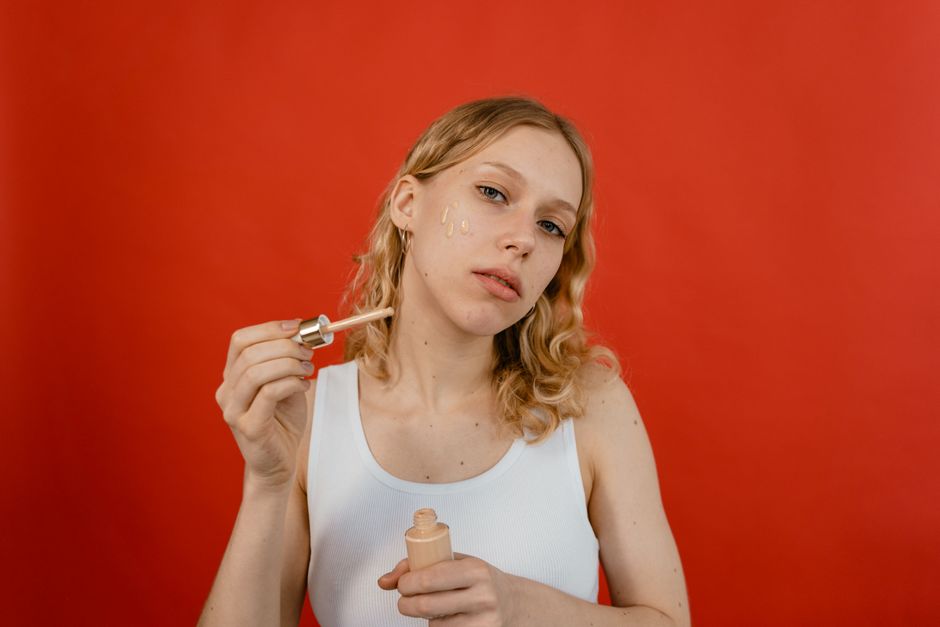
A simple test: gently touch your cheek. If the serum feels tacky but no longer wet or slippery, it is ready to be locked in. If it still feels slick and wet, give it another 20 to 30 seconds. If it feels completely dry and tight, you have probably waited a little too long, but applying moisturizer now is still far better than skipping it.
Why Timing Actually Matters
Serums are typically lightweight, concentrated formulas packed with active ingredients such as vitamin C, niacinamide, hyaluronic acid, or peptides. They are designed to penetrate deeper layers of the skin. Moisturizers, by contrast, are richer and sit closer to the surface, forming a barrier that reduces water loss.

The order matters because of how these products interact:
- Dilution: Applying a thick moisturizer over a still-wet serum can dilute the active ingredients and reduce their effectiveness.
- Pilling: Mixing wet layers can cause products to roll up into little balls, especially under makeup or sunscreen.
- Sealing: Once the serum has absorbed, a moisturizer helps trap that hydration in place rather than letting it evaporate.
- Irritation control: A moisturizer applied after an active serum can buffer mild irritation and support the skin barrier.
The general principle used by dermatologists and skincare educators is to apply products from thinnest to thickest consistency. Serums come before moisturizers, and moisturizers come before sunscreen in the morning. Well-regarded beauty publications such as Vogue consistently reinforce this layering logic when covering routine building.
Timing by Serum Type
Not all serums behave the same way, so the wait time can shift depending on the formula you are using.

Water-Based Serums
These are the most common and the easiest to layer. Wait about 30 to 60 seconds, or until the skin feels tacky rather than wet. Hyaluronic acid, niacinamide, and most vitamin C serums fall into this category.
Oil-Based and Anhydrous Serums
Oil serums do not absorb in the same way water-based formulas do. They sit on the surface and can take several minutes to settle. If your moisturizer is water-based, apply the moisturizer first and the oil serum afterward. If both are oil-based, allow two to three minutes between layers.
Exfoliating and Retinoid Serums
Formulas containing acids, retinol, or other strong actives benefit from a slightly longer pause, around one to two minutes, so the active can settle before being buffered. Some people with sensitive skin prefer to apply moisturizer almost immediately after a retinoid to reduce irritation, which is a valid approach. If irritation persists, consult a dermatologist. For a closer look at choosing the right lip color to complete your routine, see this complete guide to getting the hint lipstick.
Thick, Gel-Like Serums
Gel serums can leave a slightly sticky film. Give them 60 to 90 seconds, then apply a lighter moisturizer to avoid heaviness or pilling.
Morning Versus Evening Routines
Your timing can vary slightly depending on the time of day.
Morning: Keep the pause short, around 30 to 45 seconds, so you can move on to moisturizer and then sunscreen without rushing. Sunscreen is the non-negotiable final step in any morning routine. If you are layering multiple serums, apply them thinnest to thickest with brief pauses between each.
Evening: You have more flexibility. A one- to two-minute pause after an active serum is fine, and it is a good moment to let the product settle while you prepare for bed. Good sleep supports skin recovery, and the Sleep Foundation notes that rest is an important part of overall skin and body health. A calm, unhurried evening routine fits naturally into that wind-down.
Common Mistakes to Avoid
- Waiting until skin feels tight: Tightness is a sign of dehydration, not readiness. Apply moisturizer before that point.
- Applying moisturizer to soaking-wet skin: A little dampness is fine, but dripping wet skin dilutes the serum.
- Rubbing instead of pressing: Pat or press products into the skin rather than dragging, especially around the eyes.
- Ignoring pilling: If products roll up, your wait time is likely too short or the formulas are incompatible.
- Skipping moisturizer with oily skin: Oily skin still needs hydration. Choose a lightweight gel moisturizer instead of skipping the step.
- Overloading layers: More products do not always mean better results. Three to four steps are usually enough.
Building a Layering Routine That Works
A reliable routine follows a simple sequence: cleanser, serum, moisturizer, and sunscreen in the morning. Within that framework, here is how to time each step:
- Cleanse and gently pat dry, leaving skin slightly damp.
- Apply serum to damp skin and press it in evenly.
- Wait 30 to 60 seconds until the serum feels tacky, not wet.
- Apply moisturizer in upward, outward strokes.
- Wait one to two minutes before sunscreen in the morning.
If your skin feels tight, flaky, or irritated after layering, shorten the wait time or switch to a gentler serum. Consistency matters more than precision. A routine you actually follow beats a perfect routine you abandon after a week. If you are also curious about the phrase itself, this explanation of what “get the hint” really means is a light, fun read.
Conclusion
The honest answer to how long you should wait after serum before moisturizer is: about 30 to 60 seconds for most formulas, or until the serum feels tacky rather than wet. Water-based serums need the least time, oil-based and active serums need a little more, and your morning routine should always end with sunscreen. Pay attention to how your skin feels rather than watching the clock, and adjust as needed. If you are building or refreshing your routine, explore curated beauty and wellness essentials at Pendazi to find serums and moisturizers that layer well together. With the right timing and a little patience, your skincare steps will work harder, not just multiply.
Discover more from Pendazi
Subscribe to get the latest posts sent to your email.






Leave a Reply