

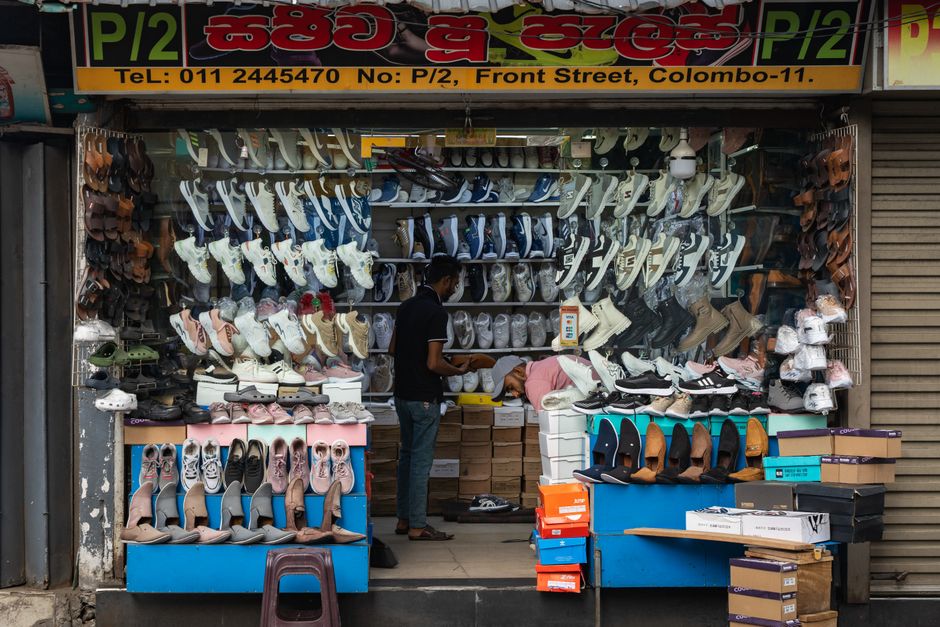
Pendazi Shoes Compared to Other Brands
Choosing footwear online can feel like a gamble. You see a pair of shoes on a screen, read a short description, and hope they fit, feel comfortable, and last. That is why comparison matters. When shoppers ask “how does Pendazi compare to other shoes?”, they are really asking whether the product is worth their money, how the quality stacks up, and what makes it different from the familiar names on the high street. This guide breaks down the comparison across the factors that matter most: materials, comfort, design, price, and buying experience.
Pendazi is an online e-commerce platform known for a curated selection of unique products spanning apparel, electronics, home decor, wellness, gifts, and more. Its footwear sits within a broader lifestyle catalogue, which shapes how it compares to specialist shoe retailers and legacy brands. The goal here is not to claim one brand wins every category, but to help you make an informed decision based on what you actually value.
How Pendazi Approaches Footwear Differently
Most traditional shoe brands are built around a single identity. A running brand focuses on performance, a fashion house focuses on trends, and a heritage maker focuses on craftsmanship. Pendazi operates on a curation model. It brings together a diverse range of products, so its footwear is chosen to fit a lifestyle rather than dominate a single technical niche.
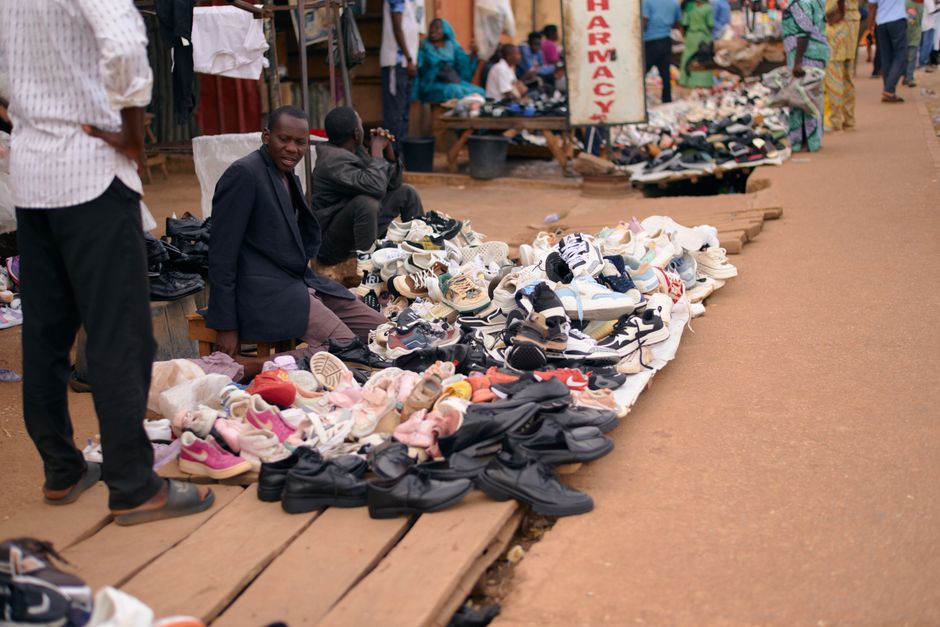
This matters for comparison. If you are shopping for a marathon shoe, a specialist performance brand will usually have the edge in measurable engineering. If you want versatile, design-led footwear that pairs with a curated wardrobe and can be bought alongside complementary lifestyle items, the curation approach offers a different kind of value. The comparison is therefore less about raw athletic specs and more about everyday wearability, aesthetic range, and convenience.
In 2026, consumers increasingly expect online retailers to act as editors rather than warehouses. The curated model reflects that shift, and it is one of the clearest points of difference when you compare Pendazi to mass-market shoe retailers.
Materials and Build Quality
Materials are where most shoe comparisons are won or lost. When you evaluate any pair of shoes, look at four things: the upper, the lining, the midsole, and the outsole.

- Upper: Leather, suede, canvas, mesh, and synthetic blends each behave differently. Leather tends to mould to the foot over time, canvas is breathable and lightweight, and mesh favours ventilation.
- Lining: A well-finished lining reduces friction and improves moisture management, which matters for all-day comfort.
- Midsole: This is the cushioning layer. Foam density and composition determine how a shoe feels underfoot and how quickly it compresses.
- Outsole: Rubber compounds and tread patterns affect grip and durability, particularly on wet pavements.
Compared with budget high-street shoes, curated ranges such as Pendazi’s generally place more emphasis on finish and construction consistency. Compared with premium heritage brands, the gap is often narrower than shoppers expect, though heritage makers may still lead on repairability and long-term resoling. Vogue’s footwear coverage is a useful reference for understanding how design trends and material choices evolve season to season, and it helps frame what “quality” means in a fashion context. You can explore that perspective at Vogue.
The practical takeaway: compare like with like. A fashion-forward everyday shoe should be judged on finish, comfort, and versatility, not on the same criteria as a technical running shoe. For similar guidance on weighing up options before you commit, see Gifts Smart: How to Choose Better Presents.
Comfort and Fit Compared
Comfort is the most personal part of any comparison. A shoe that feels perfect for one person can pinch another, so generalisations have limits. Still, several factors consistently separate better footwear from worse.

- Cushioning: Responsive foam absorbs impact, while overly soft foam can feel unstable over long distances.
- Arch support: A removable insole is a sign of thoughtful design because it lets you swap in an orthotic.
- Toe box shape: A wider toe box reduces pressure on the toes, which is important for daily wear.
- Weight: Lighter shoes reduce fatigue, but too little structure can cause instability.
- Break-in period: Some leather shoes need a short break-in; mesh and knit styles usually feel comfortable immediately.
When comparing Pendazi footwear to better-known brands, pay attention to sizing guidance and return policies. Online shoppers should check the size chart, read reviews, and confirm the returns window before committing. Fit consistency varies across all brands, so reviews from buyers with similar foot shapes are often more useful than a generic size label.
For broader context on how footwear and overall comfort affect wellbeing, the Sleep Foundation’s guidance on foot health and rest is worth a look at Sleep Foundation. Comfortable, supportive footwear contributes to how you move and feel throughout the day, which in turn influences your overall routine.
Design, Style Range, and Versatility
Design is where the curation model shines. Traditional shoe brands often build collections around a single aesthetic. A curated retailer can present footwear that spans smart-casual, minimalist, and statement styles within one store, which makes it easier to build a coherent wardrobe.
Compared with fast-fashion shoes, which tend to chase trends quickly and cycle through designs rapidly, a curated range usually favours styles with a longer shelf life. Compared with luxury designers, the price point is typically more accessible, and the design language is more wearable for everyday life. The comparison therefore comes down to how much you value trend speed versus versatility and value.
Another point of difference is coordination. Because Pendazi also sells apparel, home decor, and gifts, you can assemble a complete look or gift set in one place. That convenience is hard for a single-category shoe brand to match, and it is a genuine advantage for shoppers who prefer fewer checkout steps. If you enjoy discovering distinctive pieces, Gift Ideas for Smart People Who Love to Think is a good place to start.
Price and Value for Money
Price comparisons only make sense when you account for what you get. A cheaper shoe that wears out in a season can cost more per wear than a slightly pricier pair that lasts several years. The most useful metric is cost per wear.
Here is how the value equation typically breaks down:
- Budget high-street shoes: Low upfront cost, but often shorter lifespan and less durable materials.
- Curated mid-market ranges (including Pendazi): Moderate pricing with a focus on finish and versatility, often offering strong cost per wear.
- Premium heritage brands: Higher upfront cost, with long-term value realised through repairability and resoling.
- Luxury designers: Premium pricing driven by brand and design cachet, with value depending on how heavily you wear them.
Pendazi’s position is generally in the mid-market sweet spot. You are not paying a heritage premium or a luxury markup, but you are also not sacrificing the finishing touches that make a shoe feel considered. For shoppers who want distinctive footwear without stretching to designer prices, that balance is attractive.
Shopping Experience and Customer Support
Shoes bought online depend heavily on the retailer behind them. Compare platforms on delivery speed, returns flexibility, product information quality, and customer service responsiveness.
Pendazi’s platform is built around a broad, curated catalogue, which means product pages must do extra work to inform buyers. Detailed descriptions, clear photography, and honest sizing notes are essential. When you compare, check whether the retailer provides:
- Transparent sizing and fit guidance
- A clearly stated returns and exchange window
- Trackable shipping and realistic delivery estimates
- Responsive support channels
- Genuine customer reviews
Specialist shoe retailers sometimes offer more detailed technical specifications, while mass retailers may offer faster returns. The best choice depends on how much you value convenience versus depth of information. Reading reviews and inspecting return terms before checkout will save time later.
Conclusion: Which Comparison Matters Most to You?
Comparing Pendazi shoes to other brands comes down to priorities. If you need elite athletic performance, a specialist sports brand remains the benchmark. If you want heritage craftsmanship with a resoling service, a traditional maker may suit you better. If you value versatile, design-led footwear at a sensible mid-market price, bought from a curated platform that also covers apparel, gifts, and lifestyle products, Pendazi offers a compelling proposition.
The smartest approach is to compare on the metrics that affect daily wear: materials, fit, comfort, versatility, cost per wear, and returns policy. Look beyond the logo. A well-chosen pair that fits your feet and your wardrobe will always outperform a more famous name that does not. In 2026, with so many options online, informed comparison is your best tool for buying footwear you will actually enjoy wearing.
Discover more from Pendazi
Subscribe to get the latest posts sent to your email.




Leave a Reply