

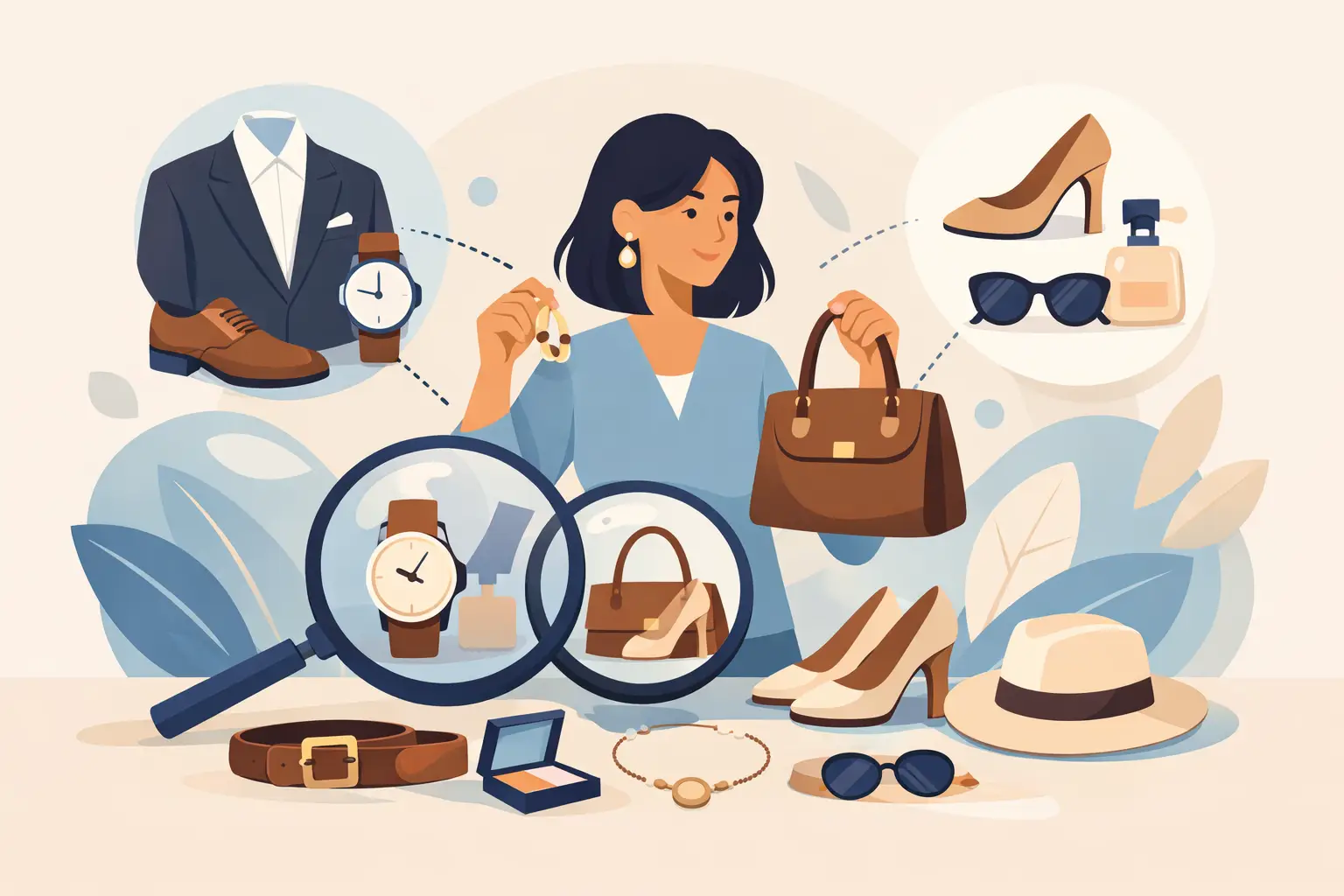
A great outfit can feel almost finished until the bag, shoes, jewelry, and belt enter the picture. The good news is that learning how to find matching accessories is less about following strict fashion rules and more about spotting one or two details worth repeating. A coordinated look does not need everything to be identical. It needs to look intentional.
Whether you are getting dressed for work, a weekend plan, a wedding, or a last-minute dinner, start with the outfit you already love. Then use accessories to support it, add contrast, or bring in personality. Shopping gets easier, too, when you know exactly what colors, materials, and proportions work hardest in your closet.
Start With One Anchor Piece
Choose the item that sets the direction for the look. It might be a printed blouse, a bold pair of sneakers, a neutral handbag, or a statement necklace. This is your anchor. Rather than trying to match every accessory to every color in your outfit, pull from the anchor’s strongest detail.
For example, a floral dress with navy, cream, and rust tones can pair beautifully with a cream bag and gold earrings. You do not need navy shoes, a rust belt, and a floral headband all at once. Repeating one color and one finish is usually enough to make the outfit feel pulled together.
If your clothes are mostly neutral, accessories can be the anchor instead. A red crossbody bag, patterned scarf, or bright sneaker can set the color story. Keep the rest of the extras quieter so that one piece gets the attention it deserves.
Match Colors Without Making Everything Match
The easiest color pairings begin with neutrals. Black, white, cream, tan, gray, denim, and navy work with nearly everything, which makes them smart choices for bags, belts, sunglasses, and everyday shoes. A black belt and black loafers are a classic pairing, but they do not require a black bag. A tan bag can soften the look, while a metallic clutch can dress it up.
When you want more color, use one of these simple approaches:
- Repeat a small color already found in your clothing, such as the green in a print or the burgundy stripe in a sweater.
- Choose colors from the same family, such as blush with berry, olive with forest green, or sky blue with navy.
- Use a complementary contrast, like cobalt and orange or purple and yellow, in small doses through earrings, a bag, or shoes.
- Let one bold accessory stand alone against an all-neutral outfit.
The trade-off is visibility. Strong color contrast creates a more playful, fashion-forward result, while tonal shades look quieter and more polished. If you are dressing for a conservative office or formal event, a neutral bag and shoes may be the safer choice. For casual plans, a bright accessory can make basics feel new again.
Use Prints as a Shopping Shortcut
Prints make matching easier because they give you a built-in palette. Look closely at a patterned dress, scarf, blouse, or shoe. Choose an accessory in one of the less obvious colors in the print, not only the dominant one. That creates coordination without looking overly planned.
A leopard print, for instance, often works with black, camel, cream, red, or even denim. A striped top might lead you toward a bag in its stripe color or a belt in a neutral shade. When in doubt, pull the lightest or darkest color from the print for your accessory.
Coordinate Metals and Hardware
Gold, silver, rose gold, brass, and gunmetal all change the mood of an outfit. Gold tends to feel warm and classic, silver reads cooler and cleaner, and mixed metals can look modern when handled with restraint.
Start by checking the hardware you already have. If your handbag has polished gold hardware, gold hoops or a gold-tone watch create a natural connection. Silver buckles on shoes can pair well with silver jewelry. This is especially useful when your outfit is simple and the accessories are doing most of the styling work.
You do not have to match every metal exactly. A silver ring with gold earrings is not a fashion emergency. The look works best when there is a reason for the mix, such as a two-tone watch, layered necklaces, or a bag with mixed hardware. If you prefer an easier formula, choose one main metal for the day and let it appear two or three times.
Make Shoes, Bags, and Belts Work Together
Shoes and bags are often the first accessories people try to match, but exact matching can sometimes make an outfit look dated. Think of them as partners, not twins. They can share a color family, texture, or level of formality instead.
A structured black tote looks right with black ankle boots, but it can also work with leopard flats because both have a refined, everyday feel. A woven straw bag works naturally with tan sandals, even if the shades are not identical. Patent heels and a polished clutch are a strong pairing for evening because their finishes belong in the same setting.
Belts are useful bridge pieces. A brown belt can connect brown boots to a neutral sweater, while a black belt can add definition to a monochrome outfit. If you are wearing a dress with a crossbody bag, match the belt to either the shoe or bag color, not necessarily both.
Pay Attention to Texture and Occasion
Texture is where many matching attempts go wrong. Chunky sneakers, a delicate satin dress, and a tiny crystal clutch can work together, but the contrast is deliberate and bold. For a simpler result, keep the pieces within a similar style lane.
Leather or faux-leather bags pair easily with boots, loafers, and polished sneakers. Canvas totes feel relaxed with denim and casual shoes. Velvet, satin, metallic finishes, and embellished jewelry are usually best reserved for dressier occasions. A casual belt bag may be convenient for a concert or errands, but a structured shoulder bag will likely suit a work event better.
Think about where you are going before adding the final piece. Matching is not only about color. It is also about whether every item is speaking the same dress-code language.
Choose the Right Scale
Accessories should fit the visual weight of your outfit. Oversized sunglasses, a wide belt, large hoops, and a roomy tote can look great together with a simple jeans-and-tee outfit. Add all of them to a ruffled dress, loud print, or statement jacket, and the look may start competing with itself.
If your clothing has volume, such as wide-leg pants, puffer jackets, or an oversized sweater, choose accessories with enough presence to hold their own. A tiny delicate bag can disappear next to a large coat. On the other hand, a fitted dress or minimal blouse may look best with a smaller bag and refined jewelry.
A helpful rule: choose one statement category. Go bold with earrings, a bag, shoes, or a belt, then keep the remaining accessories supportive. This saves time when getting dressed and makes sale shopping more practical because one standout piece can refresh multiple outfits.
Build a Mix-and-Match Accessory Base
The best way to avoid buying accessories that only work once is to create a small, flexible base. Start with colors you wear most often. If your closet leans black, denim, gray, and white, black, tan, silver, and gold accessories give you plenty of options. If you favor warm earth tones, consider camel, cream, brown, and gold as your core.
For many wardrobes, four reliable pieces cover a lot of ground: an everyday neutral bag, comfortable versatile shoes, a belt in a frequently worn shade, and simple jewelry in your preferred metal. From there, add fun pieces when seasonal deals, new arrivals, or special occasions give you a reason to branch out.
Before adding an item to your cart, picture it with at least three outfits you already own. If a bag only works with one dress, it may still be worth it for an event. But if you are shopping for everyday value, favor accessories that can move from jeans to workwear to dinner plans. Pendazi’s broad assortment makes it easier to compare colors, styles, and price points before choosing the piece that will earn the most wear.
How to Find Matching Accessories When You Are Unsure
When an outfit still feels unfinished, take a quick photo in natural light. Photos make clashing colors, awkward proportions, and overly busy details easier to spot than a mirror does. Remove one accessory before adding another. Often, the answer is not a new item but a cleaner combination.
Try the outfit with two different bag or shoe options if you have them. One may feel polished, while the other makes the outfit feel more relaxed. Neither is automatically wrong. The better choice depends on your plans, comfort, and the impression you want to make.
The next time a favorite outfit feels plain, do not replace it. Reach for one accessory that repeats its color, echoes its finish, or changes its mood. That small, smart choice can make getting dressed feel less like guesswork and more like finding a great deal already waiting in your closet.
Discover more from Pendazi
Subscribe to get the latest posts sent to your email.






Leave a Reply