

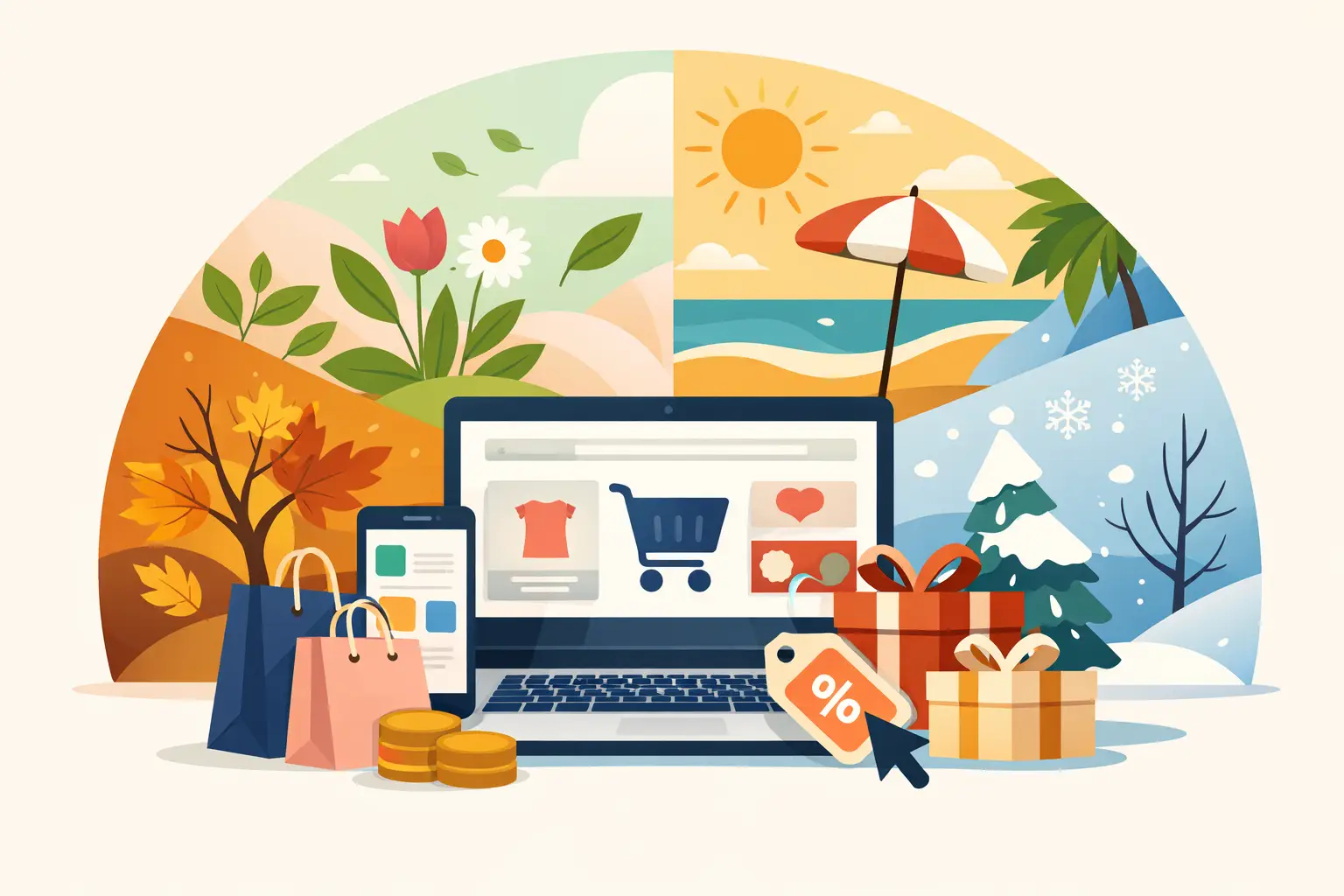
The best deals rarely begin the moment most shoppers start looking. If you have ever wondered when do online sales start, the short answer is earlier than the headline promotion suggests. Many online retailers begin discounting in phases, with early access offers, category-level markdowns, and limited-time promos showing up days or even weeks before the biggest sale banner goes live.
That matters if you are shopping across apparel, shoes, beauty, electronics, home goods, or gifts. Waiting for the “official” start can work, but it can also mean fewer sizes, lower stock, and less choice. The real win is knowing the rhythm of online promotions so you can catch the best mix of price, selection, and convenience.
When do online sales start during the year?
Online sales do not follow one universal calendar. They build around seasons, major holidays, retail inventory cycles, and category-specific buying patterns. In practical terms, that means discounts often appear before shoppers expect them, especially in stores built around promotions and broad product assortments.
In winter, post-holiday markdowns usually begin right after Christmas and continue through January. This is one of the strongest times to shop apparel, footwear, giftable items, and home products because retailers are clearing holiday inventory and making space for new arrivals. Electronics can also see price drops, although the deepest discounts on certain models may have already happened in late November.
Spring sales often begin quietly. You may see them tied to long weekends, spring refresh events, or beauty and fashion promotions as new seasonal items arrive. This is when retailers start balancing new arrivals with selective markdowns on older inventory. It is a good time to buy transitional clothing, accessories, and home updates without the heavy competition that comes during big holiday events.
Summer sales usually start before the season feels finished. That is a pattern many shoppers miss. Retailers often begin marking down summer apparel, sandals, outdoor accessories, and seasonal home goods in late June or July to keep inventory moving. If you wait until August, prices may drop further, but the best colors, sizes, and styles are often gone.
Fall is where promotional activity ramps up fast. Back-to-school campaigns can begin as early as mid-summer, especially online. Then come Labor Day offers, early fall fashion promotions, and the long lead-in to holiday shopping. By October, many retailers are already testing gift-focused deals, especially on electronics, beauty sets, accessories, and home products.
Holiday sales start earlier every year because online shopping rewards early attention. Black Friday may still be the name shoppers recognize, but many retailers launch pre-Black Friday offers well before Thanksgiving. Cyber Monday is no longer a one-day event either. In many cases, the strongest online pricing shows up in waves across a full week or longer.
Why online sales often start before the advertised date
The advertised start date is usually the promotional headline, not the true beginning of savings. Retailers use staggered discounting to build urgency, move inventory, and capture early shoppers before competitors do.
One phase might begin with teaser deals on popular categories. Another may offer a small percentage off sitewide. Then a larger event follows with deeper markdowns or free shipping thresholds. For shoppers, that means the answer to when do online sales start depends on whether you are asking about the first markdown, the main campaign, or the deepest final-price push.
This is especially true in marketplaces and broad online stores where multiple product categories move at different speeds. Fashion might go on sale earlier because sizes are limited. Electronics may hold steady until a major promotional weekend. Beauty sets may drop ahead of gifting periods, while home goods can see discounts tied to move-in season, holiday hosting, or end-of-season clearance.
The trade-off is simple. Early shoppers get better selection. Late shoppers may get lower prices. Neither strategy is always better. It depends on what you are buying and how flexible you are.
Best times to shop by category
Apparel and footwear usually go on sale at the turn of each season, not in the middle of it. Spring styles often see markdowns when summer products arrive. Summer items start getting discounted by mid-season. Fall and winter fashion often gets the biggest cuts after the holiday rush. If fit, color, or brand matters to you, shopping the first markdown is usually smarter than waiting for the final one.
Beauty works a little differently. You will often see promotions around gifting windows, seasonal refresh campaigns, and bundle events. The discount may not always be the deepest percentage off, but the value shows up through sets, buy-more-save-more offers, or free shipping. If you are buying staples, watching for routine promotional cycles makes more sense than waiting for one big retail holiday.
Electronics are more promotion-driven and less predictable by season alone. Big sale periods around Black Friday, Cyber Monday, and back-to-school can be strong, but so can brand-led launches and clearance windows when older models need to move. If you need the item now, a good promotional price with reliable stock is often worth taking instead of holding out for a small extra drop.
Home goods and giftable lifestyle items tend to follow event shopping. Think spring refreshes, dorm season, holiday hosting, and post-holiday resets. These categories can see frequent online promotions because they are easy add-ons in larger carts. That makes them ideal for shoppers trying to reach free-shipping minimums while still getting practical value.
The biggest sale periods shoppers should watch
Black Friday and Cyber Monday still matter, but they are no longer the only answer. The strongest online sale windows now spread across the year, and many are less crowded than holiday rush events.
January is one of the most overlooked months for value. Retailers are clearing seasonal inventory, and shoppers are less frantic. Memorial Day, Fourth of July, and Labor Day can all bring meaningful discounts, especially in apparel, shoes, beauty, and home categories. Back-to-school season is strong for practical products and tech-adjacent shopping. Then the holiday stretch from early November through late December brings the widest range of active promotions.
What changes from one period to the next is not just the discount. It is also the shopping experience. A quieter sale period may give you more time to compare options, build your cart, and check category prices without the pressure of fast sellouts. That can be a better deal in real terms than a higher advertised percentage off on a crowded shopping weekend.
How to tell a sale has really started
A sale starts before the homepage says so if you know what to look for. Price drops on selected items, category banners, clearance expansion, threshold-based promotions, and featured best-seller markdowns are all early signals. So are rising counts of discounted products across multiple categories.
If you shop broad online marketplaces, you will also notice that sale momentum builds visually. More crossed-out prices appear. Seasonal collections move into featured spots. Compare-friendly categories start showing stronger price gaps. Wishlist items suddenly become more useful because they reveal which products were quietly marked down before the main event.
This is where convenience matters. The faster you can scan categories, compare options, and track pricing, the easier it is to catch the start of a sale before inventory gets picked over. A one-stop store with fashion, beauty, tech, home, and giftable finds all in one place can make that process quicker, especially when you are trying to combine savings with free shipping.
So when should you buy?
If you are shopping for essentials, gifts with a deadline, or size-specific fashion, buy early in the sale cycle. The price may not be the absolute lowest, but your odds of getting the exact item you want are much better. That is often the smarter move.
If you are flexible and shopping trend items, seasonal decor, or non-urgent extras, waiting can pay off. End-of-season markdowns and post-holiday clearance can be strong if you do not mind limited selection. For many shoppers, the best strategy is mixed: buy must-have items early, then come back for secondary items as promotions deepen.
For value-focused shoppers, the real answer to when do online sales start is this: they start in layers. The first layer rewards people who shop early. The final layer rewards people who can wait. If you know which kind of shopper you are, you will save more time, miss fewer deals, and shop with a lot less guesswork. On a marketplace like Pendazi, where discounts, assortment, and fast browsing all matter, that timing can turn a good cart into a much better one.
The smartest sale strategy is not chasing every promotion. It is learning when your favorite categories usually start moving, then buying when the price and the selection both still look good.
Discover more from Pendazi
Subscribe to get the latest posts sent to your email.






Leave a Reply