


Air Fryer vs Convection Toaster Oven Guide
The kitchen appliance market in 2026 continues to evolve, with air fryers and convection toaster ovens remaining two of the most popular choices for home cooks seeking versatility and convenience. While both appliances use circulating hot air to cook food, they each offer distinct advantages that cater to different cooking styles and household needs. Understanding the differences between these appliances will help you make an informed decision for your kitchen.
How Air Fryers and Convection Toaster Ovens Work
Both air fryers and convection toaster ovens utilize convection cooking technology, which circulates hot air around food to create crispy exteriors while maintaining moist interiors. However, the way they implement this technology differs significantly.
Air fryers feature a compact design with a powerful heating element positioned above the food basket. A high-speed fan rapidly circulates hot air in a concentrated chamber, creating a rapid air circulation pattern that mimics deep-frying results with minimal oil. The perforated basket allows hot air to reach food from all angles, producing exceptionally crispy textures.
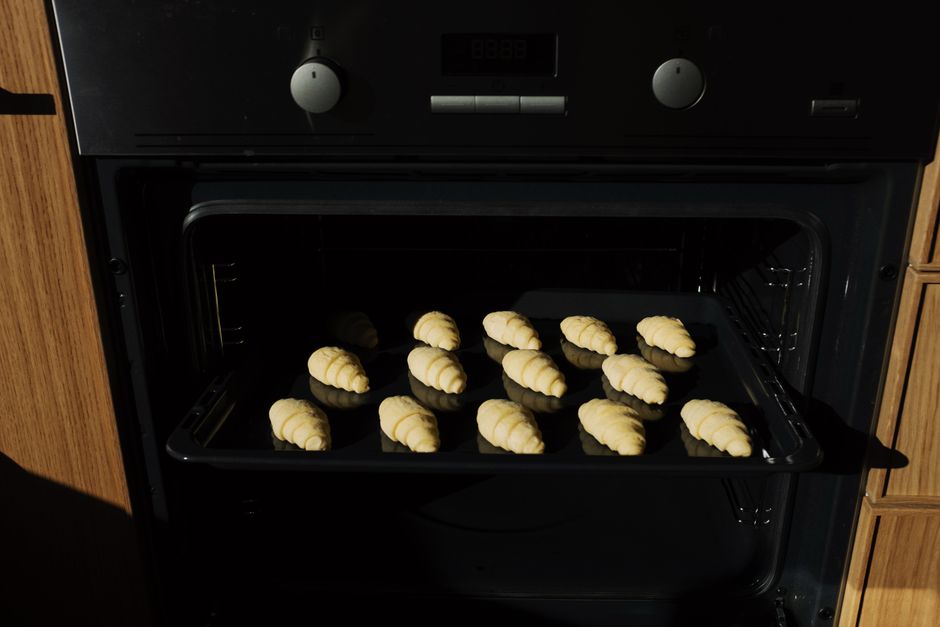
Convection toaster ovens, on the other hand, are essentially miniature conventional ovens equipped with a fan. They provide a larger cooking chamber with multiple rack positions, allowing for more versatile cooking methods including baking, toasting, broiling, and roasting. The air circulation is gentler compared to air fryers, making them better suited for delicate baked goods and larger meal preparations.
Cooking Performance and Food Quality
When it comes to achieving crispy, golden-brown results, air fryers generally excel with foods traditionally deep-fried. French fries, chicken wings, and breaded items develop exceptional crispiness due to the intense, concentrated heat and rapid air circulation. The compact cooking chamber ensures food cooks quickly and evenly, often reducing cooking times by 20-30% compared to conventional ovens.

Convection toaster ovens offer superior versatility for a broader range of cooking tasks. They handle everything from baking cookies and roasting vegetables to reheating pizza and making toast. The larger capacity allows you to cook entire meals simultaneously, making them ideal for families or those who frequently entertain. While they can achieve crispy results, the texture may not match the deep-fried quality that air fryers produce.
For health-conscious cooking, both appliances significantly reduce oil usage compared to traditional frying methods. Research on healthy cooking methods, similar to guidelines found in CDC physical activity guidance, emphasizes the importance of reducing excess fat intake while maintaining nutritious meal preparation.
Capacity and Kitchen Space Considerations
The physical footprint and cooking capacity represent crucial differences between these appliances. Standard air fryers typically range from 2 to 6 quarts, making them suitable for cooking meals for one to four people. Their vertical, compact design takes up minimal counter space, which appeals to apartment dwellers or those with limited kitchen real estate.

Convection toaster ovens generally offer 0.5 to 1 cubic foot of interior space, accommodating larger items like whole chickens, 12-inch pizzas, or multiple sheet pans. While they require more counter space, their horizontal design often fits naturally against kitchen backsplashes. Some models feature interior lighting and glass doors, allowing you to monitor food without opening the door and releasing heat.
Consider your typical meal sizes and household needs when evaluating capacity. If you regularly cook for more than four people or prepare elaborate holiday meals, a convection toaster oven provides greater flexibility. For quick meals and snacks for smaller households, an air fryer’s compact size may be more practical. For a more detailed comparison, see our Air Fryer vs Toaster Oven: Complete Guide.
Energy Efficiency and Operating Costs
Both appliances offer energy savings compared to full-size ovens, but their efficiency profiles differ. Air fryers typically consume between 800 and 1500 watts, with their small cooking chambers requiring less energy to heat and maintain temperature. The shorter cooking times further reduce energy consumption, making them economical for daily use.
Convection toaster ovens generally use between 1200 and 1800 watts, requiring more energy due to their larger interior volume. However, they still consume significantly less power than conventional ovens, which typically use 2400 to 5000 watts. For households that would otherwise use a full-size oven for small cooking tasks, convection toaster ovens provide substantial energy savings.
The preheating time also affects overall energy usage. Air fryers often require minimal or no preheating, while convection toaster ovens typically need 3-5 minutes to reach optimal temperature. Over time, these differences can impact both your energy bills and environmental footprint. You can find many unique products, including energy-efficient appliances, at Pendazi in 2026.
Versatility and Multi-Functionality
Modern air fryers have expanded beyond their original purpose, with many 2026 models offering preset programs for specific foods, dehydrating functions, and even rotisserie capabilities. Digital interfaces provide precise temperature control, typically ranging from 170°F to 400°F. However, their primary strength remains producing crispy, fried-style foods with minimal oil.
Convection toaster ovens deliver exceptional versatility, functioning as toasters, pizza ovens, broilers, bakers, and roasters. They accommodate various cookware including baking sheets, casserole dishes, and oven-safe skillets. This adaptability makes them suitable replacements for multiple appliances, potentially decluttering your kitchen while expanding your cooking capabilities.
For households seeking to minimize appliance accumulation while maintaining diverse cooking options, convection toaster ovens typically offer better value. However, if achieving restaurant-quality fried foods at home is your priority, an air fryer’s specialized design delivers superior results in that specific category.
Cleaning and Maintenance Requirements
Maintenance considerations significantly impact long-term satisfaction with kitchen appliances. Air fryer baskets and trays typically feature nonstick coatings and are dishwasher-safe in most models, making cleanup straightforward. The compact design means less surface area to clean, though the narrow spaces around heating elements can accumulate grease over time and require periodic deep cleaning.
Convection toaster ovens have more components to maintain, including crumb trays, wire racks, baking pans, and interior walls. The larger cooking chamber provides easier access for wiping down surfaces, but the increased size means more area to clean after each use. Many models feature removable crumb trays that simplify regular maintenance, though glass doors may require frequent cleaning to maintain visibility.
Both appliances benefit from regular cleaning to prevent smoke, odors, and potential fire hazards from accumulated grease. Establishing a routine cleaning schedule ensures optimal performance and longevity regardless of which appliance you choose.
Price Points and Value Proposition
In 2026, air fryers range from $50 for basic models to $300 for premium versions with advanced features and larger capacities. Mid-range models ($100-$150) typically offer the best balance of performance, capacity, and durability for most households.
Convection toaster ovens span a broader price spectrum, from $70 for entry-level models to $400 for high-end versions with smart features, larger capacities, and superior build quality. The higher price ceiling reflects their expanded functionality and larger construction.
When evaluating value, consider which appliances your purchase might replace. An air fryer primarily substitutes for deep fryers and some microwave functions, while a convection toaster oven can potentially replace toasters, conventional ovens for small tasks, and even microwaves for reheating. The broader functionality of convection toaster ovens may justify their higher price for some households. For mindful shopping and finding the right appliance, consult Hadazi: Your Guide to Mindful Shopping.
Conclusion
Choosing between an air fryer and a convection toaster oven ultimately depends on your cooking priorities, household size, and available kitchen space. Air fryers excel at creating crispy, fried-style foods quickly and efficiently in a compact footprint, making them ideal for smaller households focused on healthier versions of traditionally fried foods. Convection toaster ovens offer superior versatility and capacity, functioning as multi-purpose appliances that can handle diverse cooking tasks from toasting bread to roasting whole meals.
For many home cooks, the ideal solution involves considering how these appliances fit into your existing kitchen ecosystem. If you frequently cook for larger groups or value having one appliance that handles multiple cooking methods, a convection toaster oven provides excellent value. If quick, crispy results for smaller portions are your priority, an air fryer delivers focused performance in its specialty area. When making your choice, remember that finding the perfect appliance is like choosing the perfect footwear – it needs to fit your needs, much like finding the right pair for Beyaz Deri Sneaker Reviews 2026.
Regardless of your choice, both appliances represent significant improvements over traditional cooking methods in terms of energy efficiency, cooking speed, and health benefits. As you explore your options, consider your specific cooking patterns, space constraints, and budget to find the appliance that best enhances your kitchen experience.
Discover more from Pendazi
Subscribe to get the latest posts sent to your email.








Leave a Reply