


Are Tote Bags Good for Work?
Tote bags occupy a strange position in the working world. They are everywhere — slung over shoulders during morning commutes, tucked under desks, carried into meetings and coffee shops — yet they are rarely discussed with the same seriousness as briefcases or backpacks. So the practical question deserves a direct answer: are tote bags actually good for work?
The short answer is yes, for many people and many jobs — but with real caveats. Whether a tote is the right work bag depends on what you carry, how you commute, what your workplace expects, and how well the specific bag is designed. This guide breaks down the strengths, limitations, and buying considerations so you can decide whether a tote fits your working life.
Why Tote Bags Suit Modern Work Life
The tote’s core appeal is simple: it is an open, flexible container with handles. That simplicity translates into several genuine advantages for work use.

- Capacity without bulk: A well-made tote can hold a laptop, documents, a water bottle, a lunch container, and a change of shoes without the structured, boxy feel of a traditional briefcase.
- Quick access: An open top means you can reach in and grab a notebook, phone, or badge without unzipping and rummaging. In fast-paced workplaces, that matters.
- Style range: Totes come in canvas, leather, nylon, and technical fabrics, in shapes from slouchy to structured. That range means you can find one that reads professional in a formal office or relaxed in a creative studio.
- Weight: Compared with hard-sided briefcases, many totes add very little to the load you are already carrying.
- Versatility: The same bag can go from commuting to a client meeting to an after-work errand without looking out of place.
Fashion coverage regularly treats the tote as a staple of working wardrobes, and publications such as Vogue have long tracked the bag’s evolution from casual carryall to everyday essential. That cultural staying power reflects a real functional fit, not just aesthetics.
The Ergonomics Question: What to Know Before You Commit
This is where enthusiasm should meet honesty. A tote carried on one shoulder for long periods can create uneven loading on the spine and shoulders, especially when packed heavily with a laptop, charger, and paperwork. If you commute on foot or by public transport, a heavy one-shoulder load repeated daily is worth thinking about.

Practical ways to reduce strain include:
- Keep the load light: Carry only what you need for the day; leave the spare charger and second notebook at your desk.
- Choose padded, wide straps: Thin straps dig in; wide, reinforced straps distribute weight better.
- Alternate shoulders: Simple but effective.
- Consider a crossbody or convertible strap: Some totes offer a detachable longer strap that spreads load across the body.
- Use a tote with a dedicated laptop sleeve: This protects the device and keeps weight closer to your body rather than swinging at the bottom of the bag.
General guidance on load carriage and musculoskeletal health is widely available from health authorities and ergonomics organizations; the principle is consistent — lighter loads, distributed evenly, carried for shorter periods, are easier on the body. If you have an existing shoulder or back concern, a two-strap backpack may be the better daily choice, with a tote reserved for lighter days.
What to Look For in a Work Tote
Not all totes are built for work. The difference between a bag that serves you for years and one that fails in a month usually comes down to construction and organization. Use this checklist when evaluating a tote for professional use:
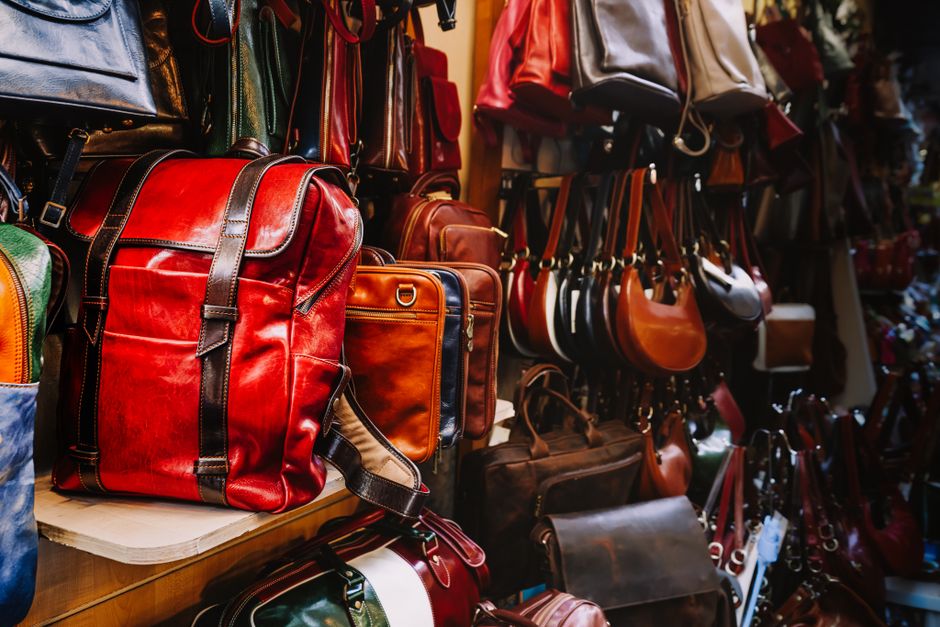
- Reinforced base and stitching: Look for double-stitched seams and a structured or reinforced bottom, which helps the bag stand upright and resist wear.
- A laptop sleeve or compartment: Ideally padded and sized to your device. A floating sleeve is even better for drop protection.
- Interior pockets: At minimum, a zipped pocket for keys and cards and a slip pocket for a phone. Open totes without pockets become chaotic fast.
- A closure: A zip or magnetic top reduces the risk of items spilling in transit and offers some protection in crowds.
- Strap quality: Wide, stitched, and ideally padded. Check that the strap attachment points are reinforced.
- Material appropriate to your climate: Leather and coated canvas handle rain reasonably; untreated canvas does not. Nylon is light and weather-resistant.
- Dimensions: Measure your laptop and check the bag’s interior dimensions, not just its exterior. A tote that technically fits a 14-inch laptop but leaves no room for a charger is a false economy.
- Weight when empty: Leather totes can be heavy before you put anything in them. Weigh the trade-off between durability and daily load.
Matching the Tote to Your Workplace and Commute
Context matters as much as construction. A few scenarios to consider:
Formal or client-facing environments
A structured leather tote in a neutral color reads professional and pairs with business attire. Slouchy canvas bags may feel too casual in conservative settings. If you regularly meet clients, a tote with a clean silhouette and minimal branding is the safer choice.
Creative, casual, or hybrid workplaces
Canvas and technical-fabric totes fit comfortably here. They are durable, easy to clean, and expressive. Many people in these environments carry a tote alongside a smaller bag for personal items.
Long or multi-modal commutes
If you walk, cycle, or use crowded transit, consider a tote with a secure closure and a crossbody option, or pair a tote with a small backpack for heavier days. A tote that cannot close is a liability on a packed train.
Travel for work
A tote can work as a personal item alongside a carry-on, provided it fits under the seat and has a secure closure. Look for a trolley sleeve if you frequently travel with rolling luggage — a small feature that makes a large difference.
Tote Bags vs. Other Work Bags
An honest comparison helps clarify where the tote wins and where it does not.
- vs. Backpacks: Backpacks distribute weight across both shoulders and are better for heavy daily loads and long walks. Totes win on easy access and professional appearance in many settings.
- vs. Briefcases: Briefcases offer structure, protection, and a formal look, but are heavier and less flexible. Totes win on capacity and versatility.
- vs. Messenger bags: Messenger bags keep weight across the body and often have good organization, but can look casual and may swing awkwardly. Totes win on capacity and ease of packing.
- vs. Laptop sleeves alone: A sleeve protects a device but carries nothing else. A tote is a complete solution.
The practical conclusion many people reach is a hybrid approach: a tote as the primary work bag on lighter days, with a backpack or rolling bag for heavy-load days. Owning one well-made tote and one supportive backpack covers most working scenarios.
Care and Longevity
A work tote takes daily abuse, so maintenance matters. Empty and wipe the interior weekly to prevent crumbs and ink stains from setting. Condition leather every few months to prevent cracking, and spot-clean canvas with mild soap and cold water, air-drying away from direct heat. Store the bag stuffed with paper or fabric to hold its shape, and check strap stitching periodically — a loose seam is far cheaper to repair than a failed strap.
If you are shopping for a work tote as part of a broader wardrobe or gifting purchase, curated marketplaces such as Pendazi’s curated online shopping guide can help you understand how these platforms group apparel, lifestyle, and everyday-carry products across categories, which can make comparing styles and materials easier in one place. As with any bag, check the specific product’s dimensions, materials, and return policy before buying.
Conclusion
Are tote bags good for work? For most people, yes — provided the bag is well constructed, appropriately sized for what you carry, and matched to your commute and workplace culture. The tote’s strengths are real: capacity, accessibility, versatility, and style range. Its weaknesses are equally real: one-shoulder loading, limited structure, and the risk of an unorganized interior if you choose a bag without pockets or a closure.
The sensible approach is to treat the tote as one tool among several. Choose one with a padded laptop sleeve, reinforced straps, and a secure top; keep your daily load reasonable; and switch to a two-strap bag on heavy days — much like choosing the right footwear for a long commute, as explained in this guide to choosing men’s running shoes for daily use. Do that, and a good tote becomes one of the most practical work bags you can own.
Discover more from Pendazi
Subscribe to get the latest posts sent to your email.





Leave a Reply