

Compare Sneaker Prices: a Smart Shopper’s Guide
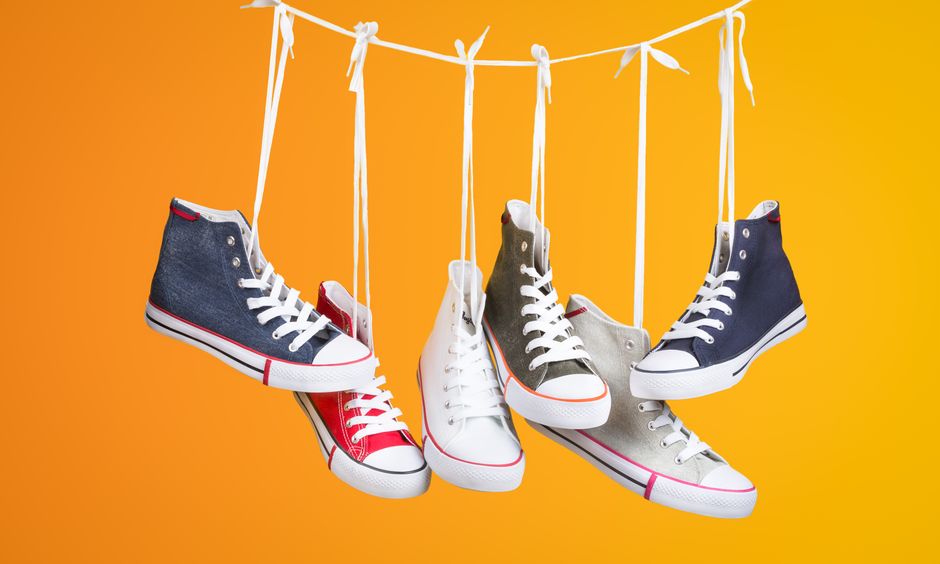
Sneakers have evolved from simple athletic footwear to essential fashion statements and lifestyle investments. Whether you’re searching for performance running shoes, classic court styles, or limited-edition designer collaborations, comparing sneaker prices is crucial to making informed purchasing decisions. In 2026, the sneaker market offers more options than ever, making price comparison both necessary and challenging for savvy shoppers.
Why Comparing Sneaker Prices Matters in 2026
The sneaker industry has experienced tremendous growth, with prices ranging from budget-friendly options under fifty dollars to exclusive releases commanding thousands. Understanding price variations across different platforms helps you maximize value while securing the styles you want. Smart comparison shopping can save you significant money, especially when purchasing multiple pairs or investing in premium brands.

Price differences between retailers can be substantial, sometimes varying by 20-40% for identical models. These variations stem from factors including seasonal sales, retailer markups, geographic location, and promotional strategies. By taking time to compare prices, you ensure you’re not overpaying for sneakers that might be available elsewhere at better rates.
Additionally, comparing prices helps you identify authentic products versus counterfeits. Significant price deviations from market average often signal potential authenticity issues. Legitimate retailers maintain relatively consistent pricing, while deals that seem too good to be true frequently are.
Where to Compare Sneaker Prices
Multiple channels exist for comparing sneaker prices, each offering distinct advantages. Understanding these options empowers you to make comprehensive comparisons before purchasing.

Official Brand Websites
Starting with official brand websites provides baseline pricing information. Major sneaker manufacturers typically list their suggested retail prices, giving you a reference point for evaluating other retailers. Official sites also frequently offer exclusive releases and member discounts that might not appear elsewhere.
Online Marketplaces and Retailers
Established online retailers and marketplaces offer competitive pricing, often undercutting official brand prices through sales, promotions, or volume discounts. These platforms provide extensive selection across multiple brands, making them efficient for comparing different models simultaneously.
E-commerce platforms like Pendazi curate diverse product selections, including sneakers and footwear options alongside electronics, beauty products, and home decor. Shopping through curated platforms allows you to discover unique sneaker styles while comparing prices on complementary products for complete outfit coordination.
Specialty Sneaker Retailers
Dedicated sneaker boutiques, both online and physical, often carry limited releases and exclusive collaborations. While prices may run higher for rare models, these specialists sometimes offer competitive rates on standard releases, particularly during clearance events.
Resale Platforms
Resale marketplaces have become essential components of sneaker culture. These platforms allow buyers to find discontinued models and limited releases, though often at premium prices. Comparing resale prices against retail helps determine whether waiting for restocks makes more financial sense than paying reseller markups.
Key Factors Affecting Sneaker Prices
Understanding what drives sneaker pricing helps you anticipate when and where to find better deals.
Brand Positioning
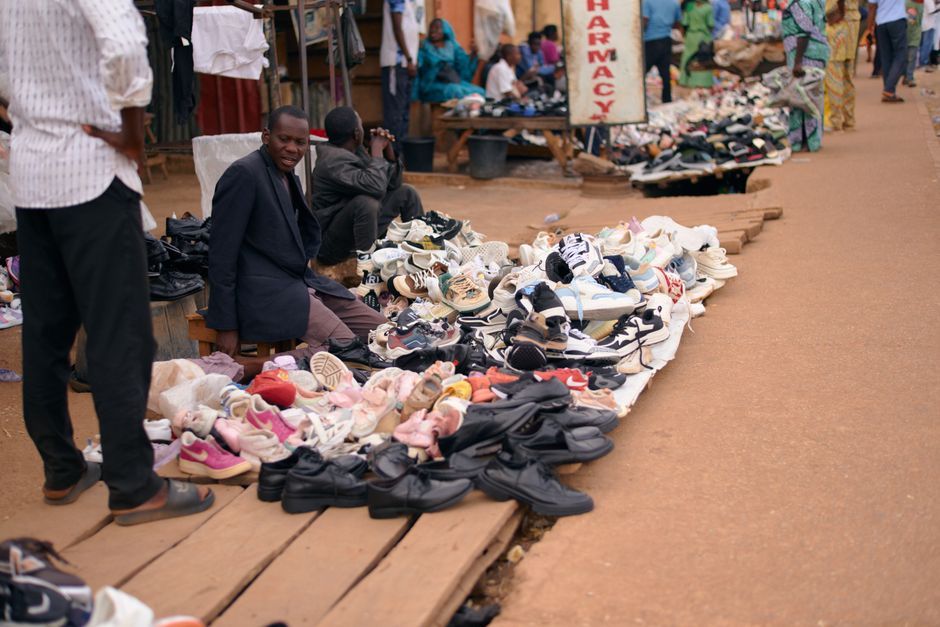
Premium brands command higher prices based on heritage, quality, and cultural cachet. Designer collaborations and luxury sneaker lines often start at several hundred dollars, while performance-focused or value brands offer excellent options at lower price points. Brand recognition significantly impacts pricing, sometimes independent of actual quality differences.
Materials and Construction
Sneaker materials directly correlate with price. Genuine leather, premium suedes, advanced technical fabrics, and innovative cushioning technologies increase production costs, reflected in retail prices. Budget sneakers typically utilize synthetic materials and simpler construction methods, reducing costs while sometimes compromising durability.
Limited Releases and Exclusivity
Scarcity drives demand in sneaker culture. Limited production runs, regional exclusives, and collaboration releases typically carry higher retail prices and command significant premiums on resale markets. Understanding release strategies helps you decide whether paying extra for exclusivity aligns with your priorities.
Seasonal Trends
Sneaker prices fluctuate seasonally. End-of-season clearances offer significant discounts as retailers make room for new inventory. Back-to-school periods and holiday seasons often feature promotional pricing, making these strategic times for comparison shopping. Conversely, peak fashion seasons aligned with runway shows and new collection launches typically see higher prices.
Strategies for Effective Price Comparison
Implementing systematic comparison strategies ensures you consistently find the best sneaker deals.
Set Price Alerts
Many platforms and browser extensions offer price tracking and alert features. Setting alerts for specific models notifies you when prices drop to your target range, eliminating the need for constant manual checking. This passive approach helps you capitalize on temporary sales and promotions.
Compare Total Costs
Listed prices don’t tell the complete story. Factor in shipping costs, taxes, return policies, and potential import duties when comparing across retailers. A slightly higher base price with free shipping and easy returns often represents better value than a lower price with expensive shipping and restrictive return windows.
Consider Timing Your Purchase
Patience pays dividends in sneaker shopping. New releases typically maintain full retail pricing, but waiting several months often yields discounts as hype subsides and retailers clear inventory. Unless purchasing truly limited releases likely to sell out, delayed gratification frequently results in better prices.
Evaluate Condition and Authenticity
When comparing prices across new and resale markets, carefully assess condition descriptions and authenticity guarantees. Slight imperfections or “B-grade” designations justify lower prices, while pristine condition commands premiums. Authenticity verification services add value despite increasing total cost.
Maximizing Value Beyond Price
While price comparison focuses on cost, smart shoppers also evaluate overall value. Consider warranty coverage, customer service quality, and return policies when deciding where to purchase. Established retailers with strong customer service may justify slightly higher prices through reduced risk and hassle-free returns.
Loyalty programs and credit card rewards provide additional value. Some retailers offer points systems, exclusive access to sales, or member-only pricing that effectively reduces costs for regular customers. Credit cards offering cash back or bonus points on specific retailer categories can offset price differences.
Fashion considerations matter too. As highlighted by Vogue, sneakers have become central to contemporary style, making fit, aesthetics, and versatility important factors alongside price. The cheapest option provides poor value if the sneakers don’t match your wardrobe or lifestyle needs.
Common Price Comparison Mistakes to Avoid
Several pitfalls can undermine effective price comparison. Avoid focusing exclusively on initial price while ignoring total cost including shipping and taxes. Don’t assume all retailers sell authentic products—verify seller credentials, especially for luxury sneakers and limited releases.
Resist impulse purchases driven by artificial urgency tactics like countdown timers and limited stock warnings. Legitimate scarcity exists, but many retailers create false urgency to prevent comparison shopping. Take time to verify claims and compare across multiple sources before committing.
Don’t overlook comfort and fit in pursuit of the lowest price. Sneakers that don’t fit properly or cause discomfort provide no value regardless of savings. When possible, try styles in person before purchasing online, or choose retailers with generous return policies allowing at-home try-ons.
Conclusion
Comparing sneaker prices in 2026 requires balancing multiple factors including base cost, total expenses, authenticity, and overall value. By understanding price drivers, utilizing multiple comparison channels, and implementing strategic shopping approaches, you can consistently secure excellent sneakers at fair prices. Whether shopping through curated platforms like Pendazi for diverse product selections or exploring specialized sneaker retailers, informed comparison shopping empowers you to build your collection without overspending. Remember that the best price is one that delivers authentic products, satisfactory service, and sneakers you’ll actually wear and enjoy. For more smart shopping tips, check out our guide on finding cheap but good Bluetooth speakers, or learn about college dorm essentials for 2026. If you’re looking to enhance your beauty routine, don’t miss our review of Colossal Kajal.
Discover more from Pendazi
Subscribe to get the latest posts sent to your email.





Leave a Reply