


Best Speakers Cheap: a Buyer’s Guide
Finding the best speakers on a budget is less about chasing specs and more about understanding what actually shapes sound quality. Price tags often reflect brand prestige, smart features, and industrial design as much as audio performance. In 2026, affordable speakers have closed much of the gap with premium models, which means careful shopping can deliver genuinely satisfying sound without a flagship price. This guide walks through the categories, specifications, and trade-offs that matter so you can choose with confidence.
What “Cheap” Really Means for Speakers
Budget is relative, but most shoppers looking for inexpensive speakers are working within a range where compromises are real and predictable. Understanding those compromises helps you decide which ones you can live with.

- Materials: Inexpensive cabinets often use plastic or thin MDF rather than dense wood. This can introduce resonance at higher volumes.
- Amplification: Budget powered speakers may use lower-quality amplifiers with modest power output. This matters more for large rooms than small ones.
- Features: Smart assistants, room correction, and multi-room support add cost. Skipping them is one of the fastest ways to save.
- Brand premium: Well-known audio brands charge for reputation. Smaller or store-brand options can offer strong value.
The key insight is that cheap speakers are not uniformly worse — they are differently optimized. A well-designed budget speaker can outperform a poorly tuned expensive one in a small room. Our guide to finding the best speaker on a budget breaks down these trade-offs in more detail.
The Main Categories of Affordable Speakers
Powered Bookshelf Speakers
These are the sweet spot for most budget buyers. Because the amplifier is built in, you avoid the cost and complexity of separate components. A pair of powered bookshelf speakers connects directly to a phone, laptop, or turntable and fills a bedroom or small living room comfortably. Look for models with at least one analog input and Bluetooth, since that combination covers most everyday use.

Portable Bluetooth Speakers
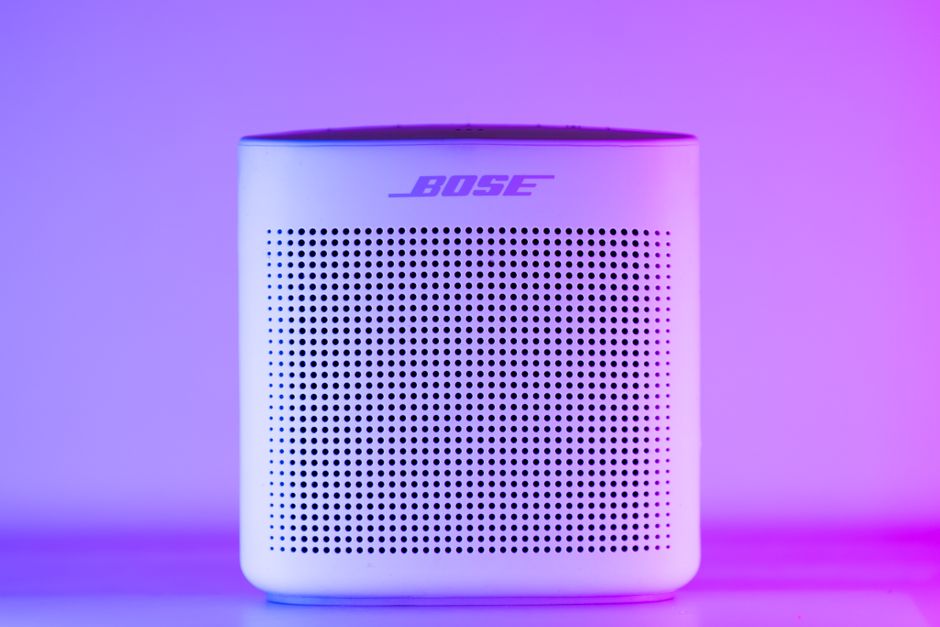
For outdoor use, travel, and casual listening, portable speakers are the most practical budget option. Battery life, water resistance ratings, and maximum volume are the specs that matter most. Sound quality varies widely, so reading independent reviews — not just manufacturer marketing — is essential. A well-reviewed mid-priced portable often beats a cheap flagship-brand model.
Soundbars
If the goal is better TV audio, a budget soundbar is usually a bigger upgrade than a pair of cheap speakers. The main trade-off is that inexpensive soundbars often lack a dedicated subwoofer, so bass is limited. Models with an HDMI ARC connection simplify setup considerably.
Desktop and Computer Speakers
Small powered speakers designed for desks are inexpensive and convenient. They rarely produce deep bass, but for near-field listening at a computer they are entirely adequate. Prioritize models with a headphone jack and volume control on the speaker itself.
Specifications That Actually Matter
Speaker marketing is full of numbers that sound impressive but mean little in practice. Here is how to read the ones that count.
- Frequency response: A range like 60 Hz–20 kHz is respectable for a budget speaker. Claims below 50 Hz at low prices are usually optimistic.
- Power handling and amplifier wattage: Higher numbers do not automatically mean louder or better sound. Efficiency matters just as much.
- Sensitivity: Measured in decibels, this indicates how loud a speaker gets per unit of power. Higher sensitivity is useful with low-power amplifiers.
- Connectivity: Bluetooth version, aux input, USB, and optical inputs determine flexibility. Newer Bluetooth versions offer better range and stability.
- Impedance: Relevant mainly for passive speakers paired with separate amplifiers. Match it to your amp’s rating.
One number worth ignoring entirely: peak power. It is a marketing figure with little relationship to real-world performance. Continuous, or RMS, power is the meaningful metric.
How to Match Speakers to Your Room and Use
The same speaker can sound excellent in one room and disappointing in another. Room size and placement do much of the work.
In a small bedroom or study, a modest pair of powered speakers placed at ear height and angled slightly inward will sound far better than a larger, more expensive system crammed into a corner. In a larger living room, expect to need more power and consider whether a subwoofer output is available for future upgrades.
Placement basics apply at every price point: keep speakers off the floor, avoid placing them directly against a wall if bass sounds muddy, and separate them roughly as far apart as you sit from them. These free adjustments often deliver more improvement than spending more money.
For buyers curating a home setup alongside other lifestyle purchases, pairing audio gear with complementary home and wellness items is part of the appeal of a curated marketplace. Retailers like Pendazi group electronics with home decor and lifestyle products, which suits shoppers building a cohesive space rather than buying components in isolation.
Where Budget Speakers Fall Short — and Whether It Matters
Honest expectations are the difference between satisfaction and disappointment. Cheap speakers typically struggle in three areas.
Bass depth. Small cabinets and modest amplifiers limit low-frequency output. If deep bass matters, plan for a subwoofer or choose a model with a subwoofer output. Our roundup of the best mid-priced Bluetooth speakers highlights options that handle bass more gracefully.
Maximum volume with clarity. Budget speakers often distort as they approach their limits. If you listen loudly or host frequently, prioritize models reviewed for composure at high volume.
Build longevity. Cheaper materials and controls may wear faster. Reading owner reviews about durability after a year or two of use is more informative than launch-day reviews.
None of these are disqualifying for most listeners. Casual music, podcasts, TV, and video calls are well within the capabilities of a good budget speaker.
Buying Checklist for 2026
- Define the job: TV audio, desk listening, portable use, or room-filling music. Each points to a different category.
- Set a firm ceiling: Include the cost of cables, stands, or a subwoofer if needed.
- Check connectivity: Confirm the inputs match your devices — especially if you use a turntable or an older TV.
- Read independent reviews: Look for measured performance and long-term ownership feedback.
- Verify the return policy: Sound is subjective. A generous return window is worth more than a small discount.
- Budget for placement: Stands, foam pads, or a shelf reorganisation often improve sound more than an upgrade.
For design-conscious buyers, publications such as Vogue regularly cover how audio products fit into interior styling, which is useful if the speakers will be visible in a living space rather than tucked onto a desk.
Conclusion
The best cheap speakers in 2026 are not the ones with the longest feature list or the boldest spec sheet — they are the ones matched to how you actually listen. Powered bookshelf speakers offer the strongest all-round value for indoor listening, portables win for flexibility, and soundbars make the most sense for television audio. Prioritize continuous power, honest frequency response, and the connectivity you will genuinely use. Read independent reviews, buy from retailers with fair return policies, and spend a few minutes on placement before deciding the speakers are at fault. With those habits, a modest budget goes a long way toward genuinely good sound.
Discover more from Pendazi
Subscribe to get the latest posts sent to your email.











Add comment