


A chilly platform, a crowded bus, an unexpected drizzle, then an overheated office: that is exactly why fall jackets for commuters need to do more than look good. The right layer should handle changing temperatures, keep essentials close, and move comfortably from the morning commute to the rest of your day. Better still, it should fit your budget while giving you a look you will want to wear on repeat.
What commuters need from a fall jacket
A commuter jacket lives a harder life than a jacket reserved for weekend plans. It gets pulled on over work clothes, packed into a tote, brushed against train seats, and exposed to wind at the crosswalk. Prioritize useful performance first, then choose the silhouette and color that work with your everyday wardrobe.
The sweet spot for fall is a jacket that provides enough warmth for brisk mornings without feeling bulky by lunchtime. Lightweight insulation, a lined interior, or room for a sweater underneath can all work. The best choice depends on your local forecast and how you get around. Someone walking ten blocks to the subway may need more weather protection than a driver walking across a parking lot.
Comfort matters just as much. Look for sleeves that do not pull when you reach for a rail or steer a bike, a collar that does not feel stiff against your neck, and a length that works while sitting. A jacket can be on-trend and still be the wrong buy if it makes your daily route less comfortable.
Fall jackets for commuters: choose by your route
There is no single best commuter jacket because a train rider, a cyclist, and a car commuter face different conditions. Shopping by your route helps narrow a big selection quickly and keeps you from paying for features you will not use.
For walkers and transit riders
If part of your commute happens outdoors, start with a water-resistant shell or a coated fabric that can handle light rain. A hood is especially useful when you do not want to carry an umbrella, though a detachable hood gives you more styling flexibility. Look for zippered pockets for a phone, transit card, keys, and earbuds. Open pockets are convenient, but they are less reassuring when you are hustling through a crowded station.
A midweight puffer, quilted jacket, or insulated parka is a strong option in places where mornings turn cold fast. Choose one that is easy to unzip once you get indoors. Breathability is not just for athletes – it helps prevent that overheated feeling when you move from a windy street to a packed train.
For bike and scooter commuters
Cyclists and scooter riders benefit from a jacket that blocks wind without trapping too much heat. A shorter, slightly fitted style often works better than a long coat because it is less likely to bunch while riding. Stretch panels, adjustable cuffs, and a two-way zipper can make a noticeable difference in comfort.
Visibility deserves a place in the decision, especially for early starts and evening rides. You do not need a neon jacket to be seen. Brighter colors, reflective details, or a light-colored outer layer can be a practical addition to your fall rotation. If rain is common where you live, prioritize a storm flap or water-resistant zipper over decorative hardware.
For drivers and rideshare commuters
Drivers can often choose style over maximum weather protection, but car-friendly comfort still matters. A bulky coat can feel awkward behind the wheel and may make it harder to regulate the heat in the car. Try a bomber, shacket, denim jacket with room for layers, or a lightweight quilted style.
For errands before or after work, choose a jacket that transitions easily. A clean neutral color such as black, olive, navy, tan, or cream can work with jeans, office-casual pants, and weekend basics. If your closet already leans neutral, a rich burgundy, cobalt, or seasonal plaid can refresh your look without demanding a whole new outfit.
The details worth paying attention to
A polished product photo can make every jacket look ideal, so check the details before adding one to your cart. Fabric information tells you more than a name like “utility” or “weather jacket” ever can. Polyester and nylon blends are common for lightweight water resistance, while cotton styles often offer a softer, more casual feel but may need a little more care in wet weather.
Pocket placement is another small detail with a big payoff. Deep hand pockets are useful for warmth, while chest or interior pockets are better for a phone and wallet. If you carry a laptop bag or backpack, check whether the shoulder area is smooth enough to avoid uncomfortable friction. Heavily embellished shoulders and oversized hoods can feel less practical under bag straps.
Closures change how a jacket performs. A zipper is fast and dependable on rushed mornings. Buttons can give a blazer-like or heritage look, while snaps are easy to use with gloves. A jacket with both a zipper and snap placket usually provides more wind coverage, although it may feel too warm for mild climates.
Fit deserves a realistic test. If you usually wear a knit, hoodie, or work shirt under your jacket, shop with that extra layer in mind. Oversized can be useful for layering, but excessive volume can make a jacket hard to manage on public transit. A more tailored shape looks sharp, yet it should still allow you to reach, sit, and carry your bag without restriction.
Build a commuter jacket rotation without overspending
One versatile jacket can cover a lot of fall days, but a small rotation is often more useful than one expensive coat trying to do every job. Think in terms of changing weather and how dressed up you need to be. A water-resistant lightweight jacket covers wet, mild days. A quilted or insulated option handles colder starts. A denim, faux leather, or polished bomber jacket gives you an easy layer for dry days and social plans.
This approach also makes sale shopping smarter. Instead of chasing a trend that only works for one outfit, compare jackets by warmth, fabric, length, pocket design, and the shoes and bags you already own. Seasonal promotions are a good time to pick up a practical outer layer and a style-forward second option, especially when you can compare colors and sizes in one place.
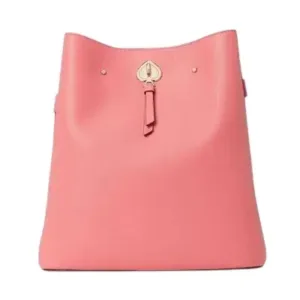
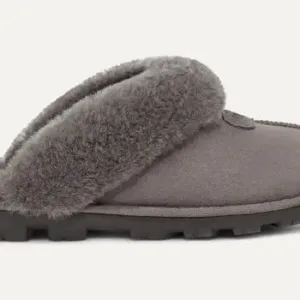
At Pendazi, shoppers can browse fall outerwear alongside sneakers, scarves, backpacks, and other everyday essentials, making it easier to build a commute-ready look without bouncing between stores. Consider the pieces that will get the most use first. A jacket that works with your existing footwear and bag is usually a better value than one that needs a new outfit to make sense.
Style ideas that still make sense at 7 a.m.
Commuter dressing does not have to mean settling for purely practical outerwear. A quilted jacket over a crewneck sweater and straight-leg jeans feels pulled together while staying low-maintenance. A utility jacket with chinos or leggings brings a relaxed, functional look to casual offices. For a sharper outfit, choose a streamlined wool-blend coat or a structured trench over a knit top and tailored pants.
If you carry a backpack, crossbody, or tote every day, let it influence your choice of jacket. Cropped bombers pair naturally with high-rise pants and crossbody bags. Longer coats work well with totes but may be less convenient for biking. Puffer jackets are dependable in cold weather, though a very oversized version can feel crowded in tight transit spaces.
Do not overlook care requirements. A machine-washable jacket can be a major convenience after a season of rain, coffee runs, and packed commutes. More delicate fabrics may deliver a refined look, but they can require extra attention. That trade-off is worth considering before choosing a jacket for everyday wear.
The best fall jacket is the one waiting by the door when the forecast changes and your schedule does not. Choose a layer that fits your route, works with what you already wear, and gives you enough comfort to head out feeling ready for the day.
Discover more from Pendazi
Subscribe to get the latest posts sent to your email.



Add comment