


New York Large Bucket Bag: a Buyer’s Guide
A large bucket bag has become one of the most practical carryalls for people who move through busy cities every day. The “New York” style of large bucket bag — a roomy, slouchy, drawstring-topped shoulder or crossbody bag associated with urban utility — combines generous capacity with a relaxed silhouette that works from morning commute to evening plans. This guide explains what makes this style distinctive, how to evaluate materials and construction, and how to choose a large bucket bag that fits your daily routine in 2026.
What Is a Large Bucket Bag?
A bucket bag is defined by its shape: a rounded or cylindrical body, usually wider at the base and cinched at the top with a drawstring, toggle, or fold-over closure. The “large” designation generally refers to bags roughly 25 to 35 centimeters in height with a base wide enough to hold a tablet, a water bottle, a small umbrella, and everyday essentials.

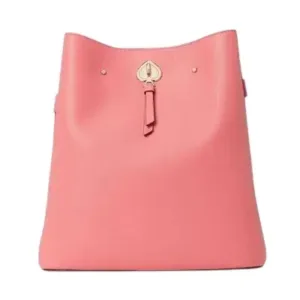
The “New York” association comes from the style’s urban origins and its popularity among commuters, creatives, and travelers who need a bag that holds a lot without looking like luggage. Unlike a rigid tote, a bucket bag’s soft body conforms to the wearer’s side, which makes it comfortable on crowded sidewalks and public transit. Many versions include both a top handle and a longer adjustable strap, allowing shoulder or crossbody wear. For a closer look at one popular example, see this Kate Spade Marti Bucket Bag: a Buyer’s Guide.
Key structural features to look for include:
- Drawstring or cinch closure — keeps contents contained and deters casual pickpocketing in crowds.
- Reinforced base — helps the bag stand upright when set down.
- Interior organization — at least one zip pocket and a slip pocket for phone and keys.
- Convertible straps — a shorter handle plus a longer, adjustable shoulder strap.
- Protective feet — optional but useful on leather versions that are frequently set on the ground.
Materials and Construction: What to Examine
The material determines how a large bucket bag ages, how much it weighs, and how well it handles weather. Each option has trade-offs:

Leather and Leather Alternatives
Full-grain or top-grain leather is durable and develops a patina over time, but it is heavier and requires conditioning. Pebbled leather hides scratches well, which suits daily city use. Vegan leather (polyurethane-based) is lighter and often more affordable, though lower-quality versions can peel at stress points within a few years. Check stitching density at the strap attachments — these are the highest-stress areas on any bucket bag.
Canvas, Nylon, and Woven Fibers
Heavy cotton canvas and coated nylon are lightweight, water-resistant, and easy to clean, making them strong choices for commuters and travelers. Woven raffia and straw versions suit warm-weather styling but offer less structure and protection from rain. If you carry a laptop, look for a padded interior sleeve or add a separate laptop case.
Hardware and Linings
Solid brass or well-finished metal hardware resists tarnishing; lightweight plated hardware may flake over time. A tightly woven fabric lining in a light color makes it easier to find items inside a deep bag. Avoid unlined bags with raw interior seams if you plan to carry small items that could slip through gaps.
How to Choose the Right Size and Fit
“Large” is not a standardized measurement, so compare dimensions rather than labels. As a practical benchmark, measure the items you carry daily and add a few centimeters of clearance. A bag that is too large becomes heavy and encourages overpacking; one that is too small defeats the purpose of the style.
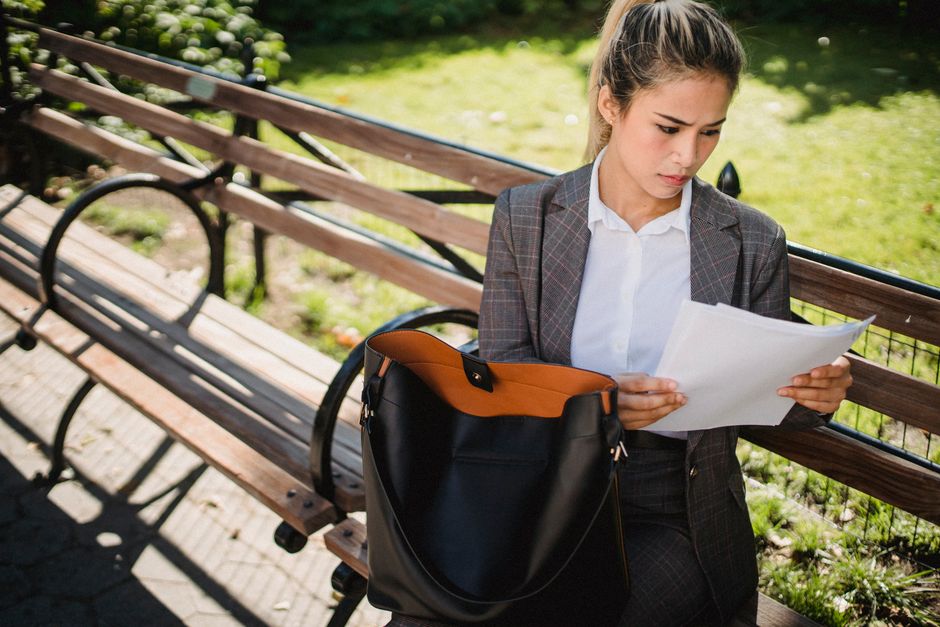
Fit considerations for city wear:
- Strap drop length — a shoulder strap drop of roughly 25–30 cm generally clears a winter coat; crossbody straps should adjust long enough to sit at hip level.
- Body depth — deeper bags hold more but can feel bulky on crowded transit; a depth of 12–16 cm is a common compromise.
- Weight when empty — leather bags over about 1 kg empty become tiring on long walking days.
- Closure security — a drawstring alone is convenient but open; a drawstring plus an interior zip top offers better security.
For readers tracking how accessories fit into broader wardrobe and trend conversations, fashion coverage from British Vogue regularly examines how bag silhouettes evolve season to season, which can help contextualize the bucket bag’s enduring place in city dressing. If you prefer a slightly different curated silhouette, this Marti Bag: a Guide to This Curated Accessory Find explores another option to compare.
Styling a Large Bucket Bag for City Life
The bucket bag’s casual shape pairs naturally with relaxed tailoring, denim, knitwear, and outerwear. A few practical styling notes:
- Proportion matters. A very large bag can overwhelm a petite frame; look for a slightly shorter body or a slimmer profile.
- Color strategy. Neutral tones — black, tan, chocolate, cream — work across seasons; a single saturated color can act as the focal point of an otherwise simple outfit.
- Occasion range. Structured leather versions read more polished for office settings, while canvas and woven versions suit weekends and travel.
- Weather planning. In rainy or snowy conditions, coated canvas or treated leather reduces maintenance compared with untreated suede or raffia.
Because a large bucket bag is often the only bag someone carries, interior organization matters as much as exterior style. Pouches, a key leash, and a small zip wallet keep a deep bag from becoming a clutter trap.
Care, Longevity, and Everyday Practicality
Looking after a large bucket bag extends its usable life and preserves resale value. General care guidance:
- Empty and wipe the interior regularly; crumbs and grit abrade linings over time.
- Store the bag stuffed with tissue or acid-free paper to hold its shape, ideally in a dust bag away from direct sunlight.
- Condition smooth leather two to four times a year, depending on climate; avoid silicone-based products that can clog pores.
- Rotate bags rather than carrying one daily, which allows straps and seams to recover.
- Check strap stitching and hardware screws periodically, and have repairs done at the first sign of fraying.
Practicality is the style’s main draw. A well-chosen large bucket bag can replace a tote and a smaller purse on many days, simplifying what you carry. The trade-off is that unstructured bags offer less protection for fragile items — a padded sleeve or organizer insert solves this for laptops and tablets.
Where a Large Bucket Bag Fits in a Curated Wardrobe
Buying a bag is an exercise in matching product to routine. Consider frequency of use, typical load, climate, and how the bag will be stored. A commuter who walks long distances may prioritize light weight and a secure closure; someone who travels frequently may value a bag that packs flat and resists water; someone building a long-term wardrobe may prefer classic leather in a neutral color. For a closer comparison of a similar design, see this Kate Spade Marti: a Buyer’s Guide.
Curated marketplaces can simplify the search by grouping accessories alongside apparel, gifts, and lifestyle goods in one place. Platforms such as Pendazi, an online e-commerce destination offering a diverse selection of unique gifts, electronics, beauty products, home decor, lifestyle and wellness items, apparel, and books and media, allow shoppers to compare a bucket bag with complementary pieces — a wallet, a scarf, or travel accessories — without visiting multiple stores. When shopping online, confirm dimensions, strap drop, material composition, and the returns policy before purchasing, since fit and capacity are the two factors most likely to disappoint.
Finally, think of the bag as part of a system. A large bucket bag works best when its contents are organized, its weight is managed, and its material suits the weather you actually encounter. Chosen with those factors in mind, the New York large bucket bag style remains a genuinely useful, long-wearing option for urban life.
Conclusion
The New York large bucket bag earns its popularity through capacity, comfort, and versatility rather than novelty. Prioritize dimensions that match what you carry, materials that suit your climate and maintenance habits, secure closures, and reinforced strap attachments. With sensible care and realistic expectations about weight and structure, a large bucket bag can serve as a dependable daily companion for years.
Discover more from Pendazi
Subscribe to get the latest posts sent to your email.




Add comment