


Gift Ideas for Smart People Who Love to Think
Buying a gift for a genuinely curious, sharp-minded person is one of the hardest tasks in shopping. They tend to own the obvious things already, they see through gimmicks quickly, and they value substance over spectacle. The good news is that intelligent people are rarely hard to delight — they are just hard to impress. The right gift doesn’t need to be expensive; it needs to be interesting, well-made, and matched to how they actually spend their time.
This guide breaks down gift categories by the type of thinker you’re shopping for, from the voracious reader to the tinkerer who takes everything apart. Along the way, you’ll find practical criteria for choosing gifts that reward intelligence rather than merely flattering it.
What Actually Makes a Gift “Smart-Person Appropriate”
Before browsing categories, it helps to understand the psychology at work. People who think analytically tend to appreciate gifts that do at least one of three things:

- Teach them something new. A well-chosen book, course, or tool opens a door they hadn’t noticed.
- Support deep focus. Anything that reduces friction in their work or hobbies earns lasting gratitude.
- Signal that you pay attention. Specificity beats price. A gift tied to an obsession they’ve mentioned even once will outperform a generic luxury item every time.
What generally fails: novelty items that break in a week, decor with no function, and anything that implies they need “fixing.” Avoid the trap of buying a gift that reflects your interests rather than theirs. The best approach is to observe what they complain about — a slow laptop, a cluttered desk, a book they keep meaning to read — and solve it elegantly.
Books and Media for the Insatiably Curious
For readers, the challenge is picking a title they haven’t already devoured. Rather than guessing at bestsellers, aim for depth in a subject they already love, or a well-regarded work in an adjacent field they haven’t explored. Popular safe zones include popular science, narrative history, behavioral economics, and essay collections by writers known for rigorous thinking.

Non-book media works equally well. A subscription to a long-form journalism outlet, a documentary box set, or a beautifully produced edition of a classic all say “I think you’ll enjoy this” without condescension. If the recipient is more visual, high-quality art or design books serve double duty as both reading material and coffee-table objects. You can also round out a reader’s gift with a beautifully made Get the Hint Lipstick: a Complete Guide for the style-conscious bookworm who likes to look as sharp as they think.
One practical tip: pair a book with a small related object — a bookmark, a reading light, or a notebook for capturing ideas. Bundling creates the sense of a considered gift rather than a last-minute purchase.
Tools and Tech That Reward Precision
Analytical people often have strong opinions about their gear. That’s actually an opportunity: they research purchases obsessively, which means a thoughtfully chosen upgrade to something they use daily will be genuinely appreciated.

Strong categories include:
- Writing instruments. A well-balanced fountain pen or a precision mechanical pencil suits people who think best on paper.
- Desk and focus tools. Quality task lighting, a monitor stand, or a tidy cable system can quietly improve every working hour.
- Compact electronics. Noise-cancelling earbuds, an e-reader, or a portable charger are practical and universally useful — just confirm compatibility and preferences first.
- Puzzle and logic objects. Mechanical puzzles, strategy board games, and mathematical toys appeal to minds that enjoy productive frustration.
The key is avoiding redundancy. If they already own excellent headphones, a second pair is clutter. If they’ve been making do with a cheap desk lamp, an upgrade is a small revelation. And if their workstation needs comfort as much as cleverness, a pair such as the Fuzz Sugar Slide Ugg: a Comfort Guide can keep a long thinking session cozy.
Experiences and Learning Gifts
Some of the most memorable gifts for smart people aren’t objects at all. Experiences appeal because they generate stories, skills, and knowledge — the currencies curious people value most.
Consider museum memberships, lecture series tickets, workshop classes in a craft they’ve flirted with, or a subscription to a structured learning platform. For the scientifically inclined, planetarium or observatory visits are reliably delightful. For the practically minded, a course in cooking, woodworking, or photography converts a vague interest into tangible skill.
The advantage of experience gifts is personalization: you can tailor them precisely to a person’s curiosity, which is exactly the signal intelligent recipients are looking for. The disadvantage is scheduling, so frame the gift as flexible and low-pressure.
Home, Wellness, and Lifestyle Gifts With Substance
Not every gift needs to be intellectually stimulating. Smart people also sleep, eat, and live in homes — and they tend to appreciate well-designed objects that improve daily life without shouting for attention.
In the home category, look for items with clear function and clean design: a beautifully made pour-over coffee set, a well-constructed notebook and pen tray, or a high-quality throw that makes a reading chair irresistible. Design-conscious recipients respond to materials and craftsmanship, so favor fewer, better things.
Wellness gifts work best when they’re grounded rather than trendy. Sleep is a reliable target: research from the Sleep Foundation consistently links good sleep hygiene to cognitive performance, which makes a quality sleep mask, blackout solution, or comfortable bedding a gift with genuine intellectual appeal — better rest, sharper thinking. Similarly, a superb water bottle, a proper desk chair cushion, or a set of herbal teas for evening wind-down all support the deep-work lifestyle.
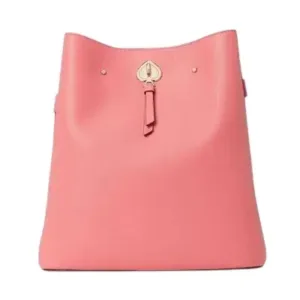
Style can be part of the package too. If the recipient cares about aesthetics, well-made basics — a minimalist watch, a structured bag, or a classic knit — fit the brief. For inspiration on what’s current without being disposable, fashion coverage from outlets like Vogue can help you judge which pieces have staying power rather than chasing ephemeral trends. When in doubt about sizing or formats, resources like Full Size 15g: a Complete Guide can help you avoid the most common gifting mistakes.
How to Choose: A Quick Decision Framework
When you’re stuck between options, run each candidate through four questions:
- Does it match an existing interest? Specificity is the single strongest predictor of gift success.
- Does it add capability or knowledge? Tools that enable a hobby or books that extend expertise feel like investments, not indulgences.
- Is the quality defensible? Sharp minds notice cheap seams, flimsy hinges, and uneven printing. Buy the best version you can afford of a smaller thing.
- Would they buy it for themselves? If yes, they probably already have — unless it’s a considered upgrade. If it’s something they’d never justify spending on, that’s your opening.
It also helps to match gift format to personality. Systematic thinkers often prefer useful tools and reference books. Creative thinkers lean toward experiences and beautifully made objects. Social thinkers appreciate gifts that create shared activities — a two-player strategy game, a cooking class for two, a museum membership with a guest pass.
Where to Find Curated, Unusual Gifts
One reason smart-person gifting feels difficult is that mainstream retail optimizes for mass appeal, not specificity. Curated marketplaces help by doing part of the filtering for you. Platforms like Pendazi, which offer a diverse selection spanning electronics, books and media, home decor, beauty, lifestyle and wellness products, and apparel, let you cross-reference a recipient’s interests quickly without visiting a dozen stores.
Curated e-commerce works especially well for this kind of shopping because the inventory itself is the recommendation: browsing categories that mix practical tools with interesting objects often surfaces the exact item you couldn’t have described but will recognize instantly. Look for return-friendly policies, detailed product descriptions, and quality photography — details that signal a retailer cares about what it stocks.
Finally, don’t overlook presentation. A modest gift, well wrapped with a handwritten note explaining why you chose it, lands better with thoughtful recipients than an expensive gift with no story. Intelligent people read the intent behind the object — so make the intent clear.
Conclusion
Gifting a smart person is less about finding something clever and more about being observant. Match the gift to a real interest, favor substance over novelty, and prefer quality in small things over quantity in many. Books extend knowledge, tools enable mastery, experiences create stories, and well-designed home and wellness items quietly improve daily life. Choose with specificity, explain your reasoning, and you’ll give something rarer than a good gift: the sense of being genuinely understood.
Discover more from Pendazi
Subscribe to get the latest posts sent to your email.






Leave a Reply