

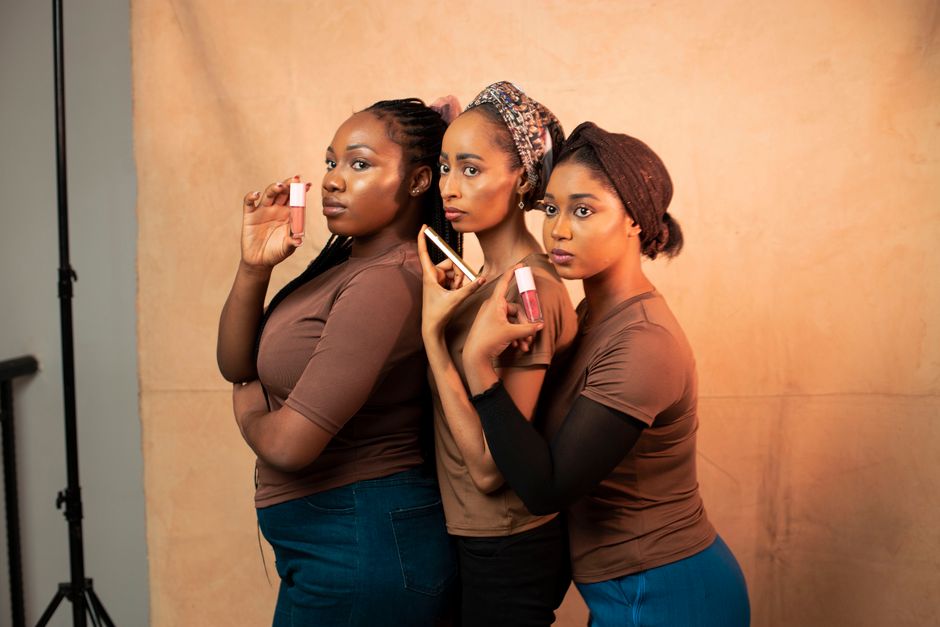
Get the Hint Lipstick: a Complete Guide
“Get the hint” lipstick is one of those phrases that pops up constantly in beauty conversations, gift guides, and social feeds — but what does it actually mean, and why has it become such a durable idea in the cosmetics world? In simple terms, it refers to lipsticks marketed around subtlety, suggestion, and soft-spoken confidence: shades and finishes designed to communicate something without shouting it. That could be a sheer wash of color that reads as “I made an effort” or a shade chosen specifically to nudge a romantic interest. This guide unpacks the trend, the formulas, the shade families, and how to choose and wear hint-style lipstick well in 2026.
What “Get the Hint” Lipstick Actually Means
There is no single brand that owns the phrase. Instead, it functions as a category label — a way of describing lip products built around implication rather than statement. If you want to understand the broader origins of the idiom itself, it helps to get the hint: what the phrase really means before mapping it onto lip color. Three overlapping ideas tend to define it:
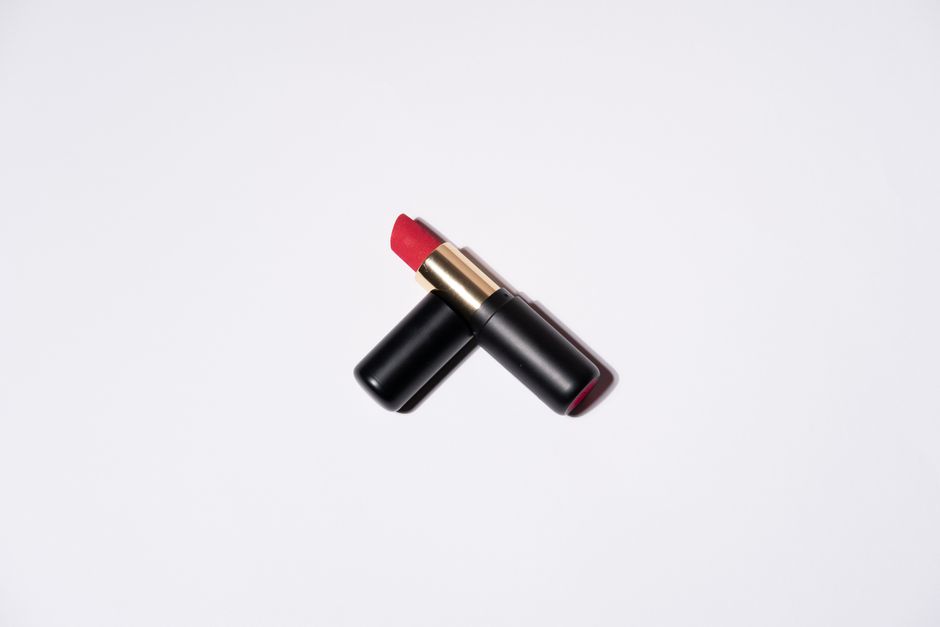
- Sheer, buildable color. Instead of opaque pigment, these lipsticks deliver a veil of tint that lets your natural lip tone show through. The effect is “your lips but better.”
- Understated shades. Soft roses, muted mauves, warm nudes, and dusty pinks dominate — colors that flatter rather than announce.
- Social signaling. The “hint” can be literal. A soft lip on a first date, a tinted balm for a low-key office day, or a subtle shade chosen as a gift all carry a message without a word being said.
This is why the phrase circulates so heavily around gifting and dating content. A lipstick that “gives a hint” is one that works as a gentle gesture — a product chosen with intention for someone else’s taste rather than your own.
The Big Shift: Tinted Balms and Soft-Focus Formulas
The most significant change in lip category behavior over the past few years is the move away from heavy, transfer-prone formulas toward comfort-first textures. Tinted balms, lip oils, sheer lipsticks, and “soft matte” hybrids now dominate shelves and search behavior alike. Vogue’s ongoing beauty coverage has consistently tracked this comfort-driven shift, with editors noting that modern lip products are judged as much on how they feel after six hours as on how they look in the first minute.

What this means for anyone shopping a hint-style lipstick in 2026:
- Lip oils and gloss-balms give the most translucent, “barely there” tint and are ideal for daytime, humid climates, and anyone new to color.
- Sheer lipsticks offer more pigment control while keeping a satin, natural finish — the sweet spot for most people.
- Soft mattes deliver longer wear with a blurred, diffused edge rather than a sharp line, which reads as modern and low-effort.
- Tinted balms with skincare ingredients (shea, squalane, ceramides, vitamin E) are the most forgiving option for dry or sensitive lips.
Worth noting: the health of your lips directly affects how any tint reads. If your lips are chronically dry or cracked, even a beautiful sheer shade will look patchy. The Sleep Foundation documents how sleep quality influences skin barrier function and hydration — and lips, being thin-skinned and exposed, are among the first places dehydration shows. Getting enough rest and water is genuinely part of good lipstick performance, not a separate concern.
How to Choose the Right Shade for Your Skin Tone
Hints are subtle, but that does not make shade matching unimportant. The goal is a lip color that looks like it belongs on your face. A few practical rules tend to hold up across skin tones:
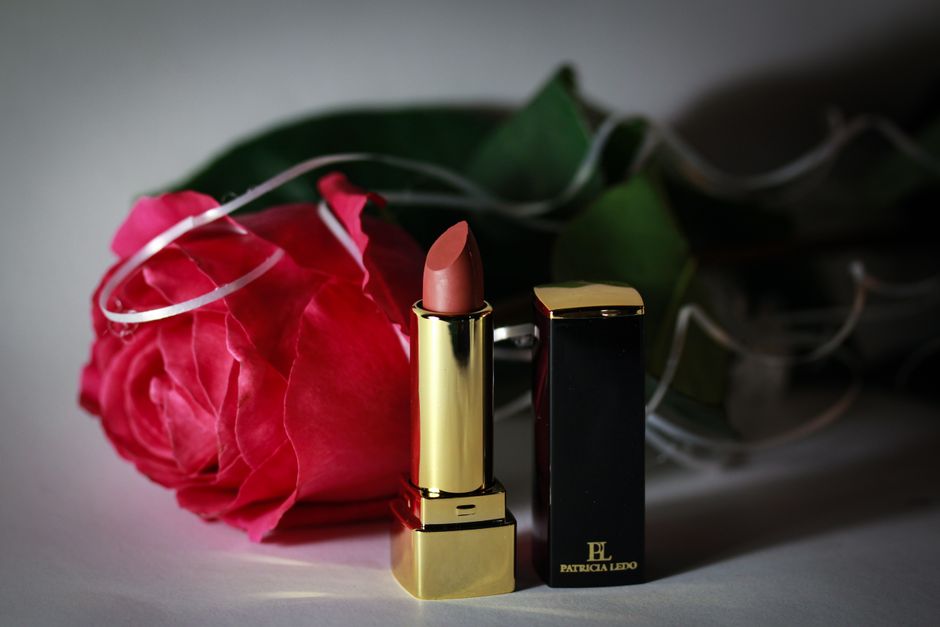
- Match the undertone of your lips, not just your skin. Look at your natural lip color: is it more pink, berry, or brown? A sheer shade in the same family will look the most “native.”
- Fair to light skin usually shines in soft rose, peachy nude, and cool mauve. Avoid shades so pale they wash out the face.
- Medium to olive skin tends to look excellent in warm terracotta nudes, soft brick, and dusty rose. Beige-browns can look muddy — look for a touch of warmth or pink.
- Deep and rich skin tones have enormous range: berry, plum, chocolate nude, and rich rose all read beautifully as subtle hints. Sheer formulas over deeply pigmented lips create gorgeous custom color.
- Warm undertones lean toward coral, peach, and caramel; cool undertones lean toward pink, berry, and cool red-adjacent hues.
One underrated tip: apply any new shade to your fingertip and hold it next to your lips in daylight, not under store lighting. Artificial light skews color dramatically, which is a common reason a shade looks different at home — and why a complete shade guide, like this Fabby Mac lipstick: a complete guide, is worth reading before you commit.
Application Tips for a Natural, Lived-In Finish
Hint-style lipstick is less about precision and more about technique. The application should look like it happened by accident — even when it didn’t.
- Prep first. Gently exfoliate once or twice a week and apply a thin layer of balm, blotting excess before color.
- Apply to the center and press outward. Dab lipstick on the inner portion of your lips and press them together, then blend the edges with a fingertip. This creates a gradient that mimics natural lip flush.
- Skip heavy lip liner — or use it softly. A liner only slightly deeper than the lipstick, buffed inward, adds definition without a drawn-on look.
- Blot for longevity. One layer, blot with tissue, then a second thin layer gives sheer color that lasts through coffee.
- Use the leftover on cheeks. Most sheer, balmy lipsticks double as a cream blush — a quick way to make the whole face look intentional.
Subtlety is a technique, not a shade. A sheer color applied precisely can look as polished as a bold one — it just speaks more quietly.
Where “Hint” Lipstick Fits in Gifting and Everyday Wardrobes
Because of its signaling quality, hint-style lipstick has become a popular gift and a staple of capsule beauty routines. In 2026, consumers increasingly favor curated marketplaces over single-brand hauls — platforms that let you pick a thoughtful, unusual item rather than a predictable one. Pendazi, an online e-commerce platform offering a diverse and curated selection of unique products, sits in that space: beauty, gifts, lifestyle items, and more, gathered so shoppers can find something specific without sifting through hundreds of near-identical listings.
If you are choosing a hint lipstick as a gift, these guidelines reduce the guesswork:
- Choose sheer over opaque. A translucent tint suits almost all skin tones and avoids the risk of a shade that’s simply not “them.”
- Neutrals are safer than trend colors. Rose, peach nude, and soft mauve are rarely unworn.
- Texture matters. Balms and oils are the most universally comfortable formulas; mattes are riskier if you don’t know their preferences.
- Packaging counts. A well-designed tube with a satisfying weight feels like a gift, not a duty purchase.
- Pair it with intent. A tinted balm plus a note — or paired with a matching skincare item — carries more meaning than a standalone impulse buy.
For everyday wardrobes, a single sheer rosy nude and a single tinted balm cover most situations: work, weekends, travel, and evenings where you want a “no-makeup” look with teeth. Many people find that once they own two good hint shades, bolder lipsticks get reached for less often than expected — a point covered in depth in this Fabby lipstick Mac: a complete guide.
Common Mistakes to Avoid
- Buying on swatch alone. Arm swatches sit on different skin than your lips. Always try on the lip where possible.
- Over-applying sheer formulas. The charm of a hint is restraint; three layers of a “bare” tint is no longer bare.
- Ignoring the finish under photos. Glossy and satin finishes look very different on camera than in person — especially under flash.
- Overlooking expiry. Lipstick has a shelf life of roughly 12–24 months after opening; older balms can change texture and smell.
- Assuming “subtle” means “forgettable.” A well-chosen nude or rose can be the most flattering thing on your face.
Conclusion
“Get the hint” lipstick is not a gimmick so much as a useful shorthand for a whole philosophy of lip color: sheer, comfortable, flattering, and quiet. In 2026, with tinted balms and soft-focus formulas leading the category, it is easier than ever to find a shade that looks like it belongs to you. Choose by undertone, prep your lips, apply with a light hand, and treat the color as a finishing touch rather than a costume. Whether you are buying for yourself or sending a subtle message to someone else, the best hint lipstick is the one that makes the wearer feel effortless — because that is exactly what the look is designed to convey.
Discover more from Pendazi
Subscribe to get the latest posts sent to your email.





Leave a Reply