


How to Choose Men’s Running Shoes for Daily Use
Running shoes are not a single, universal product. A shoe that suits a competitive 5K specialist may be a poor choice for a man who jogs three mornings a week, and a cushioning-heavy trainer that feels wonderful in the shop may cause problems over hundreds of kilometres. Choosing the right men’s running shoes for daily use means matching the shoe to your foot, your gait, your training volume, and your budget — and understanding what each part of the shoe actually does.
This guide walks through the practical decision-making process, from identifying your foot type and gait to knowing when a daily trainer has earned its place in your rotation.
Start by Understanding Your Feet and Gait
Before browsing models, get informed about how your feet behave when you run. Two factors matter most: foot shape (including arch height) and pronation, the natural inward roll of the foot after it lands.
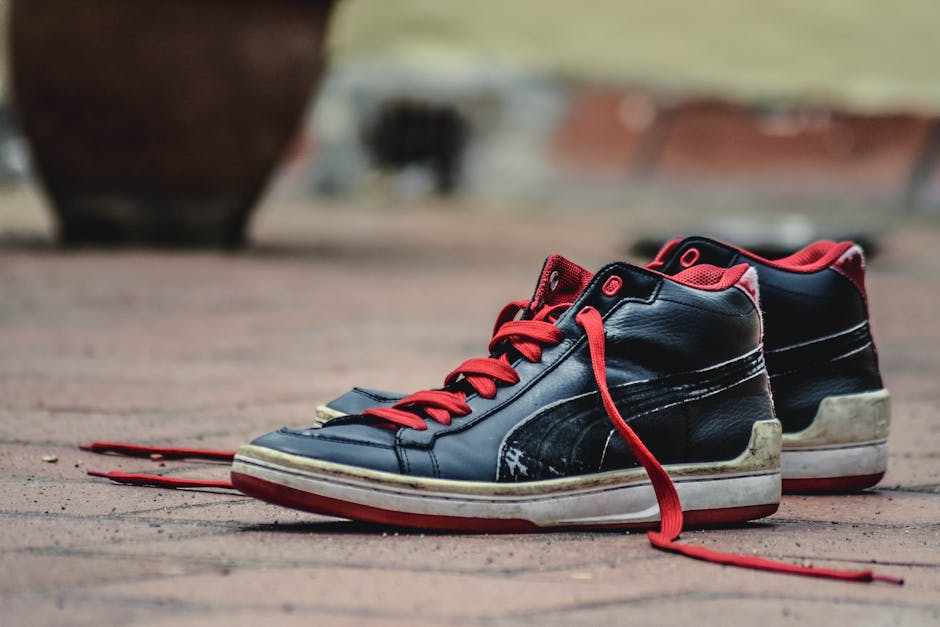
The wet-foot test is a simple starting point. Wet the sole of your foot, stand on a piece of paper or cardboard, and step away. A full footprint with a wide band suggests a lower arch, while a narrow band or a footprint missing the mid-section suggests a higher arch. A middle-ground print is typical of a neutral arch.
Gait is harder to self-assess accurately. Many running shops offer treadmill gait analysis, which can be genuinely useful — but treat it as one data point rather than a verdict. Overpronation (excessive inward roll) and supination (rolling outward) exist on a spectrum, and most runners do best in a neutral or lightly supportive shoe unless they experience persistent issues. If you have a history of injuries or foot pain, a physiotherapist or podiatrist is a better guide than a shop assistant.
Broadly, shoes fall into three categories: neutral (for most runners), stability or support (with medial posting or firmer guide rails for overpronators), and motion control (a now smaller category for severe overpronation). For daily use, the neutral and stability categories cover the overwhelming majority of men.
Match the Shoe to Your Daily Training Routine
“Daily use” can mean very different things. Be honest about your typical week:
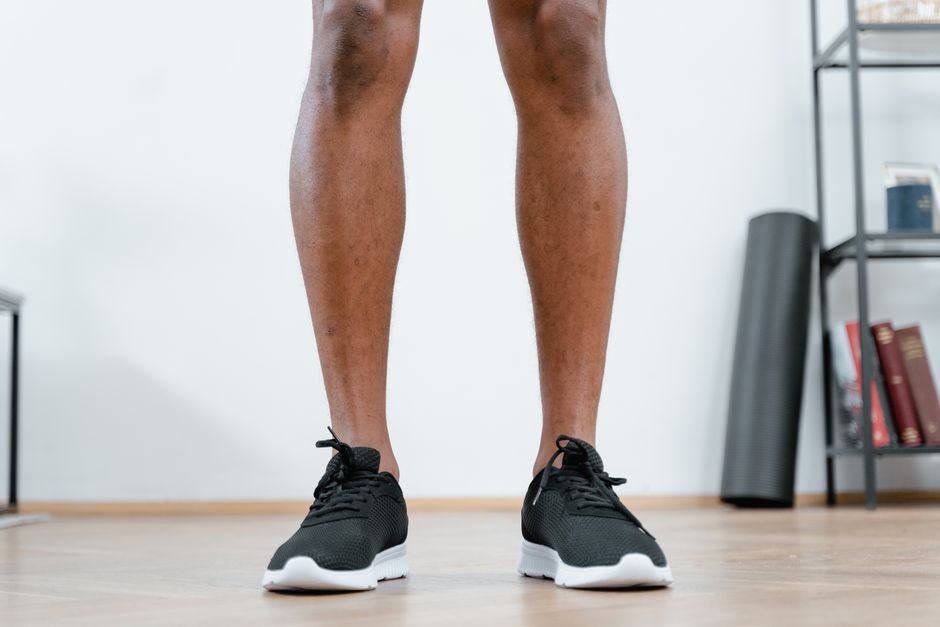
- Frequency: Two runs a week versus five runs a week changes how much durability matters.
- Distance: Short 5K loops and hour-long runs place different demands on cushioning and outsole rubber.
- Surface: Pavement, towpaths, treadmills, and light trails each suit different outsole designs. A road shoe with shallow, hard rubber lugs is fine on tarmac but slick on wet grass; a trail shoe is overkill for pavements.
- Purpose: If you also race or do fast interval sessions, a dedicated daily trainer plus a lighter tempo shoe makes sense. If you run for fitness and health, one well-chosen pair is usually enough.
Public health guidance is clear that regular aerobic activity, including running, is one of the most effective things you can do for long-term health, so consistency matters more than gear perfection — but comfortable, appropriate footwear supports that consistency by making each run more enjoyable. The NHS exercise guidance is a useful reminder of how much activity adults should aim for each week.
Know Which Features Actually Matter
Shoe marketing is loud, so focus on what has a measurable effect on comfort and durability.

Cushioning and Stack Height
Cushioning absorbs impact and influences how the ride feels. Higher stack heights (the thickness of foam under the foot) generally mean more cushioning and a softer, sometimes less grounded ride. For daily training, a moderate to generous stack suits most runners well, especially on hard surfaces. Super-soft, maximal shoes can feel unstable for some; very firm, minimal shoes demand more from your feet and calves.
Heel-to-Toe Drop
Drop is the difference in stack height between heel and forefoot, typically 4–12 mm in daily trainers. A higher drop (8–12 mm) tends to feel more familiar to heel strikers and people transitioning back from injury. A lower drop shifts load toward the calf and Achilles. If you are unsure, a mid-range drop of around 6–10 mm is a safe default.
Upper and Fit
The upper should hold the foot securely without pressure points. Look for a roomy toe box that lets toes splay, a secure midfoot wrap, and a heel counter that does not rub. Knit uppers are breathable and comfortable but can stretch; engineered mesh is a durable all-rounder. If you wear orthotics, check the insole is removable and the shoe has enough depth.
Outsole Durability
Daily trainers rack up high mileage, so outsole rubber coverage matters. More rubber on the heel and forefoot usually means a longer lifespan, at a small weight cost. If you run mostly on roads, look for durable carbon rubber in high-wear zones.
Weight
Lighter shoes feel quicker, but the difference between a 250 g and 300 g daily trainer is rarely perceptible on ordinary runs. Prioritise fit and comfort over grams.
Get the Fit Right — and Try Before You Buy
Sizing is where many runners go wrong. Feet swell during exercise, so aim for roughly a thumb’s width of space between your longest toe and the front of the shoe when standing. Allow for the fact that one foot is usually slightly larger — fit the bigger foot.
Wear the socks you actually run in when trying shoes on. Lace them up as you would on a run, then jog on a hard surface if the retailer allows it (many specialist shops have a treadmill or a returns policy for outdoor testing). Check for heel lift, rubbing at the collar, and pressure across the top of the foot.
Some brands run narrow and others wide; a few offer dedicated wide fits. If you have broad feet, wide sizing is worth seeking out rather than sizing up, which creates excess length.
Set a Realistic Budget and Plan a Rotation
Daily trainers generally sit in the mid-range of a brand’s lineup, and that is often where the best value lies: flagship racing shoes cost considerably more without being more durable. Set a budget that allows you to replace shoes when they wear out, because worn-out cushioning is a false economy. It also helps to see how Pendazi shoes compare to other brands before committing, so you know where the value really sits.
How long do shoes last? Many manufacturers suggest replacing running shoes somewhere between 500 and 800 kilometres, though this varies with your weight, gait, surface, and the shoe’s construction. Signs of wear include compressed, wrinkly midsole foam, visible outsole wear, creasing in the upper, and new aches in the feet, shins, or knees that appear without a training change.
A two-pair rotation is a smart upgrade for regular runners: alternating shoes lets foam recover between runs, extends the life of each pair, and lets you keep a fresh pair for longer efforts. Store shoes away from direct heat and let them air-dry after wet runs.
Style has its place too. Running shoes increasingly cross into everyday wear, and colourways matter if you want a pair that works with casual outfits — fashion coverage such as Vogue regularly tracks how performance footwear feeds into mainstream style. Just remember that a shoe bought primarily for looks may not serve your training.
A Quick Shoe-Buying Checklist
- Confirm your approximate arch type and any known gait tendencies.
- Decide neutral versus stability based on your history — not on a single treadmill test.
- Choose a category: daily road trainer, trail shoe, or a versatile all-rounder.
- Check cushioning, drop, and outsole coverage against your weekly mileage and surface.
- Try on with running socks; allow toe room and check heel lock.
- Confirm the returns policy before running outdoors in them.
Recovery Matters as Much as the Shoe
No shoe compensates for inadequate recovery. Sleep is when much of the body’s repair work happens, and chronic sleep debt blunts adaptation and increases injury risk. Guidance from the Sleep Foundation on how much sleep adults need is worth checking against your own routine. Pair good sleep with gradual increases in mileage — the classic rule of thumb is to add no more than about 10% per week — and take rest days seriously.
If you are building a broader wellness routine around running, small supportive purchases help: quality socks, a foam roller, a refillable bottle, and comfortable recovery footwear all make daily training easier to sustain. When it comes to picking those extras, learning how to choose better presents and purchases can save you from buying gear you will never use, and curated retailers such as Pendazi bring together lifestyle and wellness products alongside apparel and gifts, which is handy if you want to assemble a running kit in one place rather than shopping across many stores.
Conclusion
Choosing the right men’s running shoes for daily use comes down to fit, function, and honesty about how you actually run. Understand your feet and gait, pick a shoe category that matches your weekly routine and surfaces, prioritise a secure and comfortable fit over marketing claims, and budget for replacement rather than expecting one pair to last indefinitely. Get those basics right and your shoes will quietly do their job — supporting consistent, comfortable running week after week.
Discover more from Pendazi
Subscribe to get the latest posts sent to your email.




Leave a Reply