

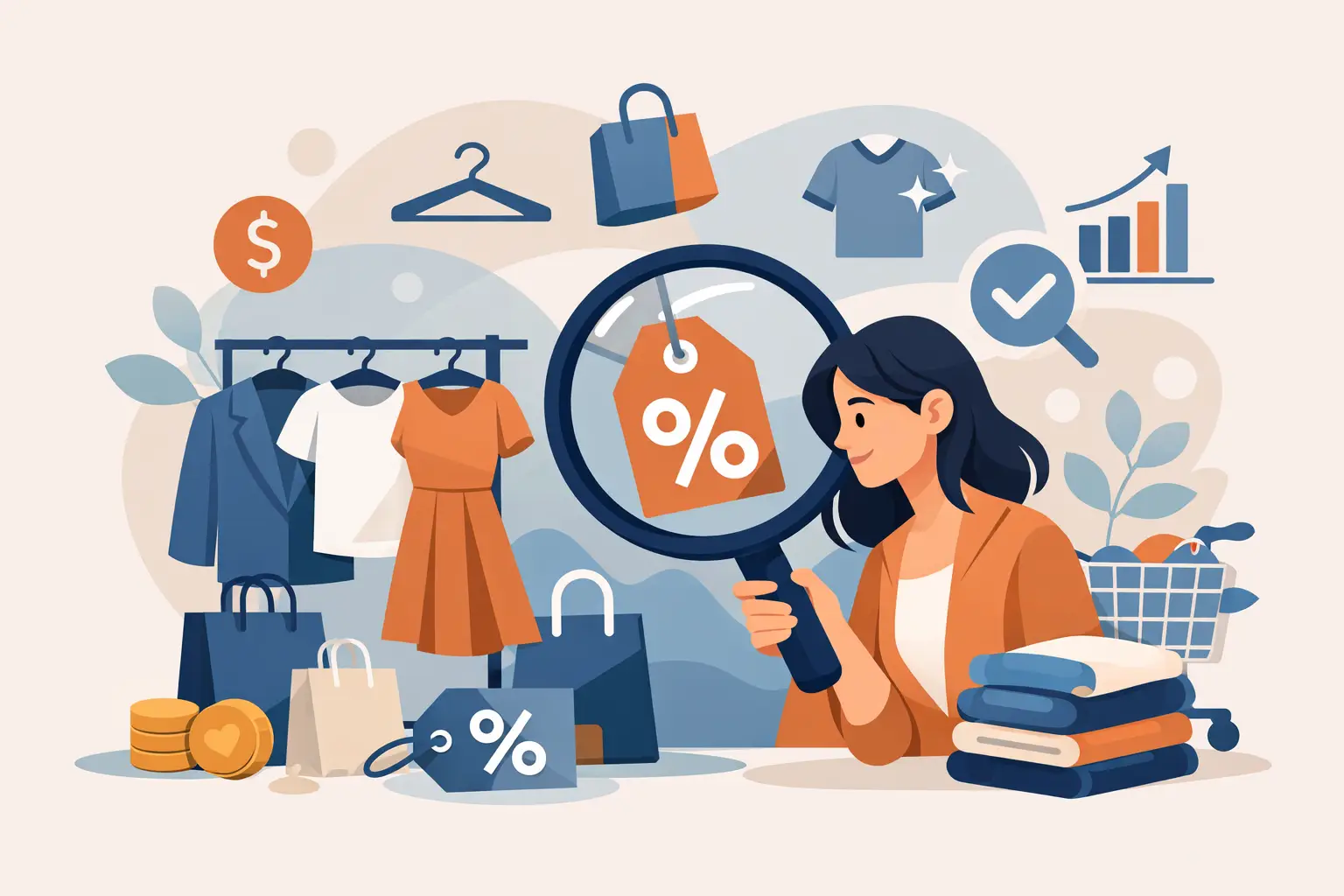
A 60% off tag can feel like a win until the sweater pills after two wears or the jeans stay in the return pile because the fit is off. The real skill in how to spot clothing bargains is separating a low price from a smart purchase. A bargain is clothing you will actually wear, enjoy, and keep – not simply an item marked down before checkout.
For value-focused shoppers, that distinction matters. Sales make it easier to refresh everyday basics, try a seasonal trend, or find a gift without stretching the budget. But the best deals come from a quick, informed check of the price, product details, and your own wardrobe before you add anything to the cart.
How to Spot Clothing Bargains Before You Buy
Start with the original price, but do not stop there. A large percentage discount looks impressive, yet the sale price should still make sense for the item, material, and brand. A $25 shirt discounted from $80 is not automatically a better buy than a well-made $30 shirt at regular price. Look at what similar pieces usually cost and decide what you would be comfortable paying without the red sale label.
The question is simple: would this item feel like a good purchase at its current price if you never saw the percentage off? If the answer is yes, you may have found a real deal. If the answer is no, the discount is doing more work than the clothing itself.
A helpful second check is cost per wear. Picture at least five outfits or occasions where you would wear the piece. A neutral jacket you can use for work, weekends, and travel may earn its price quickly. A heavily embellished top that only works for one party might not, even at a steep markdown. Trend pieces can still be worth buying, but they should fit a smaller, more intentional budget.
Check the Product Details, Not Just the Photos
Great product photos are designed to catch your attention. The product description is where you find out whether the item belongs in your closet. Read the fabric composition first. Natural fibers such as cotton, linen, wool, and silk can offer comfort and breathability, while blends with polyester, nylon, rayon, or elastane may improve durability, stretch, wrinkle resistance, or shape retention. There is no single best fabric for every item.
For example, a little elastane can make fitted jeans more comfortable, and polyester can be practical in a lightweight workout layer. On the other hand, a sweater advertised as premium may not feel like a bargain if it contains mostly low-cost fibers and requires delicate care. Match the material to the job you expect the garment to do.
Then look for construction details. Lined dresses and jackets, reinforced seams, adjustable straps, secure closures, pockets, and substantial hems can all add value. For footwear, pay attention to the sole material, closure style, cushioning, and whether the shoe is built for daily walking or occasional wear. A lower price is more appealing when the design supports repeat use.
Care instructions matter, too. Dry-clean-only clothing can be worth it for a special occasion or a favorite tailored piece. For everyday tops, kids’ clothes, loungewear, and work basics, machine-washable options often deliver better long-term value. The deal is not just the price today – it is the time and cost of owning the item after it arrives.
Be Honest About Fit
Fit is one of the most expensive reasons a sale purchase goes unused. Before buying, check the size chart and compare measurements with an item you already own and love. Your usual size can vary widely between brands, cuts, and fabric types, especially with fitted jeans, blazers, bras, and occasionwear.
Read the notes about stretch, length, rise, and silhouette. An oversized shirt may be intentionally roomy, while a slim-fit version may require sizing up. If a dress is described as non-stretch, do not assume it will accommodate an in-between measurement. Buying two sizes with plans to return one can be useful when return terms allow it, but checking the details first reduces extra hassle.
Time Your Purchase Around Real Shopping Needs
Seasonal sales are excellent for items you can use beyond one month. End-of-season promotions may offer strong prices on outerwear, boots, swimwear, or holiday clothing, but ask whether you have a place to store the item and a reason to wear it next year. Buying a winter coat on clearance is smart if your current one is worn out. Buying a fifth coat just because it is discounted is not a savings strategy.
Shopping ahead works especially well for reliable categories: school clothes, basic tees, socks, pajamas, simple accessories, and gifts. It is less reliable for highly trend-driven pieces, because the style you love in a flash sale may not feel right by the time the season arrives.
Also watch for promotions that increase value without encouraging unnecessary purchases. A free-shipping threshold can make sense when you already need another item, such as beauty essentials or a household gift. Adding random extras solely to avoid a shipping fee can erase the savings. Compare the shipping cost with the cost of the item you are considering adding.
Compare Like a Smart Shopper, Not a Fast Shopper
Online shopping gives you a major advantage: you can compare options in minutes. Put similar items side by side and look beyond color and price. Compare the fabric, dimensions, available sizes, care requirements, delivery timing, and return policy. If one pair of sneakers costs a little more but has better materials, a more versatile color, and stronger reviews for comfort, it may be the better bargain.
Wishlist tools are useful here. Save an item instead of buying during the first moment of excitement. Come back after a day or two and see whether it still feels essential. That pause is often enough to reveal whether you like the item or simply like the deal.
At Pendazi, browsing across apparel, footwear, accessories, beauty, and giftable finds in one place can also make comparison easier. The key is to keep your cart focused. If you came for everyday sneakers, compare the sneaker options first before a sale banner pulls you into buying unrelated items.
Watch for Deals That Cost More Later
Some markdowns deserve extra caution. Final-sale items can be excellent when you know the brand, size, and fit, but they are riskier when you are trying a new cut or ordering for an event with a fixed date. Always confirm whether an item can be returned or exchanged before you commit.
Be careful with duplicate purchases, too. Three nearly identical black tops may look like a budget-friendly stock-up, but only if you truly wear that style often. Buying multiples is most useful for proven favorites such as socks, undershirts, leggings, or a tee that already fits perfectly.
Avoid letting scarcity language make the decision for you. Limited stock can be real, especially during popular promotions, but urgency should never replace the basics: right size, useful color, reasonable quality, and a price that fits your budget. If one of those pieces is missing, it is okay to let the deal go.
Build a Simple Bargain-Buying Habit
The easiest way to find better clothing deals is to keep a short running list of what you actually need. Maybe it is comfortable work pants, a wedding-guest dress, replacement running shoes, or a warm layer for your child. When a sale appears, you can shop with purpose instead of trying to invent a reason to buy something.
Before checkout, give each item one final test: Can I wear it soon? Can I style it with what I own? Does the quality match the price? And can I return it if the fit is wrong? If the answers are clear, you can buy with confidence.
The best clothing bargain is not the item with the biggest red discount badge. It is the one that arrives, fits your life, and becomes an easy favorite every time you get dressed.
Discover more from Pendazi
Subscribe to get the latest posts sent to your email.





Leave a Reply