


Best Tote Bags for Work: a 2026 Buying Guide
A work tote looks simple from the outside: two handles, an open top, a big compartment. Yet the difference between a bag that carries your day comfortably and one that leaves your shoulder aching by lunchtime comes down to details you can learn to evaluate before you buy. Materials, strap drop, internal organization, closure type, and weight all interact — and a bag that excels for one commuter can be wrong for another.
This guide explains how to choose a tote for work in 2026, covering the features that matter, the trade-offs between popular styles, and simple care routines that extend a bag’s life. Rather than prescribing a single “best” bag, it gives you a framework you can apply to any option you’re considering, whether you shop a curated marketplace or a specialist retailer.
Start With What You Actually Carry
Before comparing bags, measure your daily load. A realistic inventory usually includes a laptop (13, 14, or 16 inch), a charger, a water bottle, a notebook or tablet, a pouch of small items, and possibly lunch or gym clothes. Note the dimensions of the bulkiest item — usually the laptop — and treat those numbers as your minimum interior size.

A few practical rules help:
- Add clearance. A bag should be a little larger than your biggest item so the closure still meets and the fabric doesn’t strain at the seams.
- Weigh the load, not just the bag. If your filled bag regularly exceeds a few kilograms, strap width and padding matter more than almost any other feature.
- Decide on “one bag” versus “two.” Some people prefer a single tote that holds everything; others carry a slim laptop sleeve inside a lighter tote and leave heavier items at the desk.
Writing this list down once saves a lot of guesswork. It also reveals whether you need a genuinely large carry-all or a medium tote with better organization — for the latter, a guide to the best organized tote bag can help you compare layouts before you commit.
Materials: Leather, Canvas, Nylon, and Beyond
Fabric and leather choices drive cost, weight, durability, and how formal the bag looks. Each family of materials has a distinct personality.

Leather and Structured Alternatives
Full-grain leather is prized for aging gracefully and holding a structured shape, which keeps a tote looking polished in professional settings. It is also heavier and requires more care. Pebbled leather hides scratches better than smooth finishes, making it a forgiving everyday choice. Plant-based and recycled leather alternatives have improved considerably, though durability varies widely by manufacturer — check how the material is described rather than assuming all “vegan leather” performs alike.
Canvas and Cotton
Heavy cotton canvas is light, affordable, and easy to spot-clean. It suits casual offices and creative workplaces. The trade-off is structure: unstructured canvas can slump and offers less protection for electronics. Look for reinforced bases and lined interiors if you plan to carry a laptop daily.
Nylon and Technical Fabrics
Woven nylon and polyester blends are the lightest serious option. They resist water, wipe clean, and often include thoughtful organization. For commuters who cycle, walk in unpredictable weather, or simply want to minimize bag weight, technical fabrics are hard to beat. Style-wise they read more casual, though sleek matte finishes have narrowed the gap.
What to Inspect in Any Material
- Stitching: even, dense lines at stress points — handle attachments, base corners, and zipper ends.
- Hardware: metal zippers and solid rings outlast thin coated ones.
- Lining: a lined interior protects contents and improves structure; a light-colored lining makes finding items easier.
- Feet: metal base studs reduce wear if you set the bag on floors and desks.
Comfort and Carry Ergonomics
A tote distributes weight through two handles, usually on one shoulder or in one hand — which is exactly why ergonomics deserve attention. Handle drop, the distance from the top of the bag to the top of the handle arc, determines how the bag sits. A short drop allows hand carrying; a longer drop fits over a winter coat. Many work totes land between these extremes and can be awkward with bulky outerwear, so consider seasonal layers when you assess fit.

Strap width matters more as load increases. Thin straps concentrate pressure; wide, padded straps spread it. Detachable crossbody straps add a second carrying mode and are useful on longer commutes, though they can look less formal. If you regularly carry a heavy laptop, consider a tote with a trolley sleeve that slides over rolling luggage for travel days, and test the bag’s balance: a tote that tips forward when set down usually means the base is too narrow for the load.
Comfort is cumulative. A bag that feels fine for a ten-minute walk can become tiresome on a forty-minute commute — evaluate totes with your real load, not an empty bag.
Organization and Security Features
Interior layout separates a bag you tolerate from one you enjoy using. The most useful work totes typically include:
- A padded laptop compartment that sits against your back or side, ideally suspended above the base to protect against drops.
- One or two slip pockets for a phone and notebook, positioned for quick access.
- A zippered interior pocket for keys, cards, and small valuables.
- An exterior pocket for a transit card or phone — handy, though it should close securely.
- A key leash or clip, a small feature users tend to appreciate more over time.
Closure type is a security and convenience decision. Open-top totes are fastest to use but expose contents to rain and crowding. A full zip is the most secure; a magnetic snap or partial zip is a middle ground. If you commute on packed transit, prioritize a closure that fully closes, and consider whether the bag’s opening is wide enough to reach into without unbuckling everything.
Water resistance deserves a mention. Even non-technical bags can be treated with a protective spray, and a foldable rain cover takes little space. For style-conscious shoppers, publications such as Vogue regularly cover how bags are styled for work and travel, which can help you judge whether a shape suits your wardrobe.
Matching the Tote to Your Workday
Different routines call for different priorities. Use these profiles as a starting point:
- Office professional: structured leather or a polished alternative, full zip, padded laptop sleeve, neutral color that pairs with most outfits.
- Hybrid worker: lightweight fabric, a sleeve for a tablet or slim laptop, and enough room for a notebook — easy to move between home and desk.
- Cyclist or walker: water-resistant nylon, crossbody strap option, secure closure, reflective details if available.
- Frequent traveler: trolley sleeve, durable base, secure zip, and a size that fits under an airplane seat.
- Creative or casual workplace: canvas or soft leather, roomy unstructured interior, and a design that reflects personal style.
Color and formality are practical considerations too. Dark neutrals hide wear; lighter tones show scuffs but look crisp. If you carry one bag for everything, choose a finish that works with both formal and casual clothing.
Caring for a Work Tote
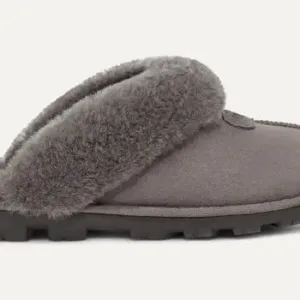
Care routines vary by material, but some habits apply broadly. Empty and wipe the interior weekly to prevent crumbs and ink marks from settling. Rotate bags if you own more than one, letting leather rest and canvas dry fully. Store totes stuffed with tissue or a soft insert to hold their shape, and keep them out of direct sunlight. For leather, use products recommended for the specific finish and test in an inconspicuous area first; for nylon and canvas, mild soap and a damp cloth handle most marks. Address loose stitching or a failing zipper early — small repairs are cheaper than replacements. If your tote shares closet space with suede or weather-sensitive footwear, the same protective approach applies — see this guide to the best protector spray for Uggs for how a spray can shield delicate materials.
If a bag must serve as a personal item on flights, check airline size limits before you buy, since these vary by carrier and fare class. And if you’re comparing options across a wide catalog, marketplaces that curate multiple categories — such as Pendazi, which offers apparel, lifestyle goods, and accessories alongside gifts, media, and even audio gear like the best speakers cheap — can be convenient for weighing styles side by side, though as with any retailer you should verify materials, dimensions, and return terms on the product listing.
Conclusion
The best tote bag for work is the one that matches your real daily load, your commute, and your workplace culture. Start by measuring what you carry, then weigh materials against weight and durability, check handle drop and strap comfort, and insist on the organization and closure that suit your routine. A well-chosen tote is an everyday tool: buy for function first, style second, and care for it consistently — and it will serve you through years of commutes far better than a bag chosen on appearance alone.
Discover more from Pendazi
Subscribe to get the latest posts sent to your email.










Add comment