


Pure White Sneakers: Pros and Cons
Pure white sneakers are one of fashion’s most enduring staples. They appear on runways, in street style photography, and in the wardrobes of people who otherwise have little interest in fashion. Yet anyone who has owned a pair knows the relationship is complicated: brilliant on day one, often scuffed by day thirty. This guide weighs the genuine advantages and drawbacks of pure white sneakers so you can decide whether they deserve space in your rotation — and how to get the most from them if they do.
Why White Sneakers Became a Wardrobe Staple
The white sneaker’s rise is usually traced to tennis courts and basketball courts in the twentieth century, where white canvas and leather shoes were standard equipment. Over the following decades, the style crossed from sport into everyday wear, helped along by designers who treated clean white leather as a neutral rather than a gym accessory. Publications such as Vogue have long documented the shoe’s recurring presence in seasonal collections, and that cyclical attention has kept the category commercially strong.

What makes the style so persistent is its role: a plain white sneaker functions less as a statement and more as a blank canvas. It absorbs whatever you pair it with instead of competing with it. That versatility explains why the shoe survives trend cycles that retire louder footwear — much like the carefully chosen pieces in Pendazi: a Guide to Curated Online Shopping, where timeless selects outlast passing fads.
The Pros of Pure White Sneakers
Unmatched Versatility
Few shoes work across as many contexts. A minimal white leather sneaker can sit under tailored trousers, beside denim, with summer dresses, or under relaxed athleisure. This reduces the number of shoes you need to own and simplifies getting dressed — one pair can cover casual weekends, creative offices, and many social occasions.

A Clean, Intentional Look
White reads as deliberate. Because the color shows every mark, a well-maintained white sneaker signals care and attention. When it is fresh, the effect is crisp and modern; it brightens an outfit and lifts darker, heavier clothing, particularly in spring and summer.
Easy to Style Across Seasons
Unlike statement footwear tied to a specific mood, white sneakers transition easily. They pair with linen and shorts in warm months and with wool coats and knitwear in cooler ones. Neutrality means the shoe rarely clashes with a color palette, which is useful if your wardrobe mixes prints or strong tones.
Wide Availability in Every Price Band
Because the style is so popular, options exist at virtually every price point and material — canvas, leather, knit, and recycled synthetics. That breadth means you can prioritize fit, construction, and ethics rather than being pushed toward a single brand.
Encourages Better Care Habits
Owning white shoes nudges you toward a maintenance routine: brushing after wear, spot cleaning, occasional deep cleans, and protective sprays. Those habits tend to extend to other footwear and clothing, giving you better long-term value from your wardrobe overall.
The Cons of Pure White Sneakers
They Show Every Mark
This is the defining drawback. Mud, grass stains, coffee drips, denim dye transfer, and road dust all register immediately. Even careful wearers will see creasing and scuffing on leather, and canvas can yellow with age and sunlight. Ownership requires ongoing effort, not just an initial purchase.

Maintenance Takes Time and Products
Keeping white footwear pristine is a project. A basic kit usually includes a soft brush, mild detergent or dedicated cleaner, a microfiber cloth, and a protective spray. Leather needs conditioning to avoid cracking; canvas and knit may need gentle hand washing. Left unattended, stains can set permanently.
Water and Weather Are Not Kind
Rain, slush, and salted winter streets are hostile to white shoes. Leather can water-stain and warp; canvas absorbs moisture and dirt readily. In wet climates, owners often restrict white sneakers to dry days or accept that the pair will become a “beater” over time.
Visible Aging
White shoes age visibly, and not everyone enjoys that patina. Some styles look intentional when worn in; many just look tired. If you prefer footwear to look sharp indefinitely, a pale grey, cream, or off-white shoe is more forgiving and hides minor wear far better.
Dye Transfer and Color Bleed
New dark denim and unwashed dyed fabrics can transfer color onto white uppers, especially at the heel and tongue where friction is constant. This is difficult to reverse and often permanent on porous materials. Careful pairing — or pre-washing dark denim — is essential.
Practical Tips for Keeping White Sneakers Clean
- Protect before wearing. Apply a stain-repellent spray suited to the material, following the manufacturer’s instructions, and reapply periodically.
- Clean little and often. A quick brush after each wear prevents dirt from working into seams and stitching.
- Match the cleaner to the material. Leather cleaners, canvas cleaners, and knit-safe washes are not interchangeable. Test any product on a hidden area first.
- Air dry, never machine dry. Heat can shrink, warp, or yellow uppers and degrade adhesives. Stuff shoes with paper to hold their shape while drying away from direct sun.
- Rotate pairs. Alternating between two pairs gives each time to dry and reduces the wear rate on any single shoe.
- Avoid bleach on canvas. Harsh bleach can leave yellowing rather than whiteness; oxygen-based cleaners are usually gentler.
- Store thoughtfully. Keep shoes out of direct sunlight and away from damp, which encourages mildew and discoloration.
Who Should — and Shouldn’t — Buy White Sneakers
White sneakers are a strong choice if you value versatility, dress simply, and don’t mind a light maintenance routine. They suit people with mostly neutral or denim-heavy wardrobes, those who work in relaxed dress codes, and anyone who wants a single shoe to cover many occasions.
They may be less practical if you live somewhere with long, wet winters, walk through muddy or dusty environments daily, or simply dislike upkeep. Frequent travelers should also consider whether white shoes will survive airports and unpredictable weather. In these cases, a cream, stone, or grey sneaker delivers much of the same versatility with far more forgiveness — and can sit alongside a white pair rather than replacing it.
Buying decisions also depend on material. Smooth leather wipes clean most easily and holds shape well but creases; canvas is breathable and affordable but stains deeply; knit is comfortable and lightweight but can be difficult to spot-clean. Consider how you intend to wear the shoes before choosing — the same thoughtful approach you’d apply when reading Marti Bucket: a Guide to This Curated Find before committing to a purchase.
Conclusion
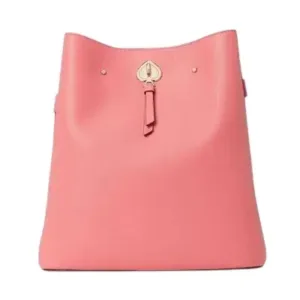
Pure white sneakers earn their place through versatility, a clean aesthetic, and near-limitless choice. The trade-off is honest: they demand attention, they punish bad weather, and they show their age. If you’re willing to protect and clean them regularly, they can be among the hardest-working shoes you own. If not, choose a slightly off-white or tonal alternative that offers similar styling benefits with less fuss — perhaps paired with a well-chosen accessory, much as you’d weigh options in New York Large Bucket Bag: a Buyer’s Guide. Either way, the decision comes down to how much maintenance you’re happy to build into your routine — and how much you value that unmistakable crisp finish.
Discover more from Pendazi
Subscribe to get the latest posts sent to your email.





Add comment