

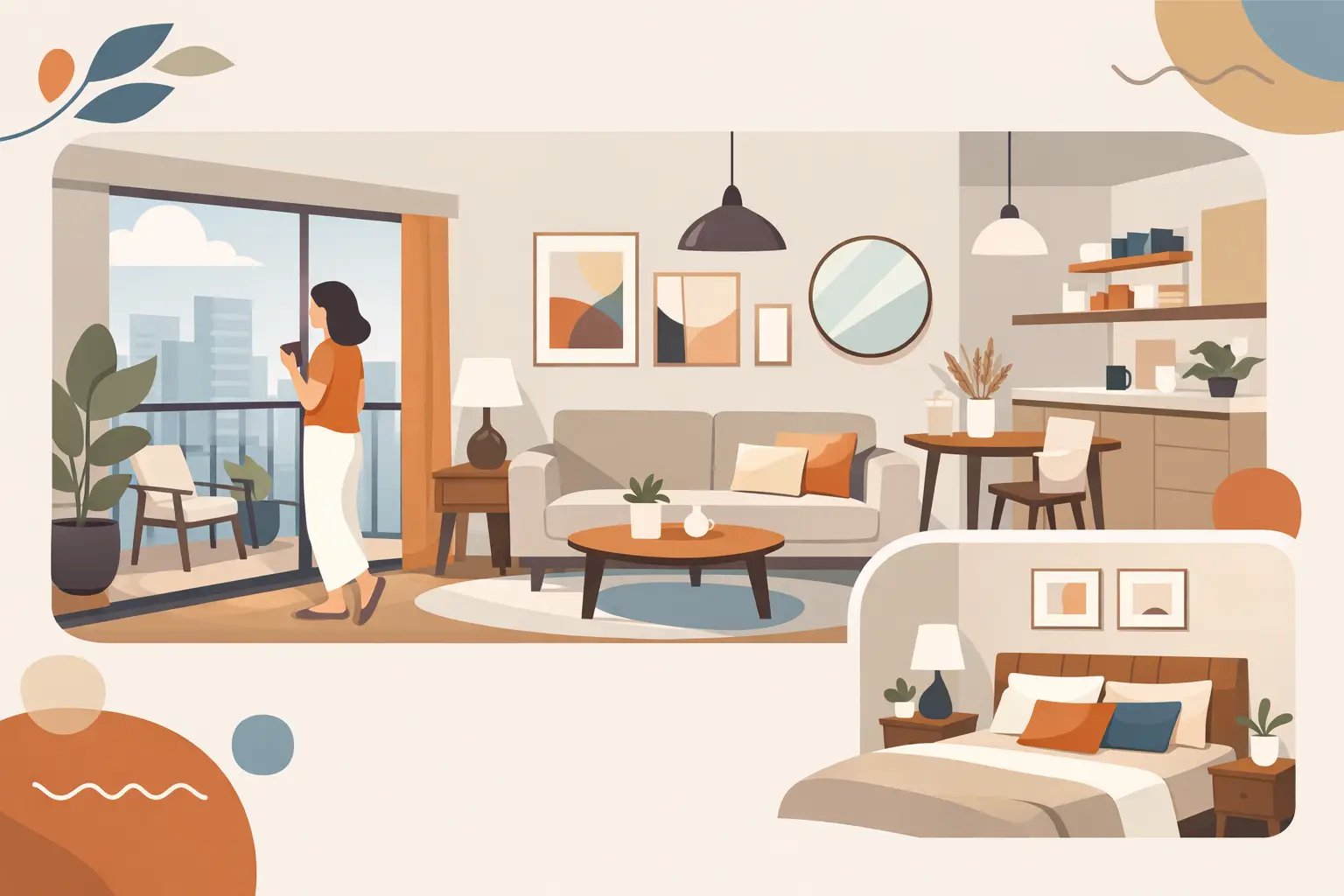
A small apartment can feel finished, comfortable, and completely personal without being packed wall to wall. The trick is not buying less for the sake of it. This small apartment decor guide is about choosing pieces that earn their space: storage that looks good, furniture that works twice as hard, and details that make a compact home feel intentionally yours.
A few smart purchases can change the way a studio, one-bedroom, or rental living room functions every day. Start with the room that creates the biggest bottleneck, then shop by purpose instead of chasing every trend at once.
Start With What the Room Needs to Do
Before picking a color palette or adding decorative pillows, decide what happens in each area. A living room may need to be a movie spot, dining area, workspace, and guest room. A bedroom may also need to hold clothing, books, workout gear, and laundry. When one room has several jobs, every item should support at least one of them.
Measure the room, doorways, windows, and the clear path you need to walk through. This step prevents the most expensive small-space mistake: buying a great-looking sofa, table, or storage cabinet that makes the room difficult to use. Leave breathing room around major furniture. A crowded layout can make even a well-decorated apartment feel smaller.
Pick one visual anchor for each room, such as a rug, bed, sofa, or dining table. Build around it rather than buying a collection of unrelated smaller items. A clear focal point makes a space look calmer, which matters more when every corner is visible.
Small Apartment Decor Guide: Choose Flexible Furniture
In a compact home, single-purpose furniture has to justify itself. A slim console that only holds mail may not be the best use of valuable square footage. An entry bench with cubbies, a lift-top coffee table, or a storage ottoman offers function without adding visual clutter.
Look for furniture with legs when possible. A sofa, chair, or media console raised off the floor lets light travel underneath and creates a more open feel. This is not a rule for every piece, though. A low, solid storage bed can be the better buy when bedroom storage is the real problem.
For dining, consider a drop-leaf table, nesting tables, or a round pedestal table. Round tables are especially useful in tight walkways because there are no sharp corners to navigate. If you rarely host more than two people, avoid buying a large dining set for the occasional dinner party. Folding chairs stored in a closet are often the more practical solution.
A sleeper sofa or daybed can be worth the investment if overnight guests are common. If they are not, prioritize the seating you use daily. There is no deal in saving money on a convertible sofa that is uncomfortable every evening.
Go Vertical Before Going Bigger
Walls are some of the most underused real estate in an apartment. Tall bookcases, wall shelves, over-the-door organizers, hooks, and mounted cabinets can move everyday items off the floor. The result is not just more storage. It also makes cleaning faster and keeps the room from feeling like a holding zone for stuff.
Use vertical storage with restraint. One tall shelving unit filled with matching baskets can look polished. Several small shelves scattered across every wall can create visual noise. Keep frequently used items accessible and use closed bins or baskets for cords, paperwork, beauty products, and other items that do not add to the decor.
Make Storage Part of the Look
The best small-space storage does not announce itself as storage. Choose woven baskets for blankets, trays for remotes and candles, lidded boxes for desk supplies, and attractive bins that fit under a bed or inside a cabinet. Repeating two or three materials, such as wood, fabric, and black metal, helps mixed storage solutions feel coordinated.
In the kitchen, counter space is usually more valuable than empty cabinet space. Store appliances you use occasionally, organize drawers with dividers, and use a rolling cart only if it has a permanent job. A cart can be a flexible coffee station, pantry extension, or bar setup. If it becomes a place to pile unopened packages, it is taking up more than it gives back.
Closets deserve a quick upgrade before you buy more furniture. Matching slim hangers, shelf dividers, hanging organizers, and under-bed containers can create surprising capacity. Give seasonal clothing its own labeled containers so your daily wardrobe is easier to see and wear.
Use Color and Light to Create Breathing Room
Light colors can make a room feel airy, but an all-white apartment is not the only answer. Warm beige, soft gray, muted green, pale blue, and sandy tones all create a relaxed backdrop. The key is continuity. Carrying a related color family from room to room makes a small apartment feel connected rather than chopped into tiny zones.
Add contrast through smaller, easier-to-swap pieces: throw pillows, artwork, lampshades, vases, towels, or a bold shower curtain. These are smart places to try a seasonal color or a trend because you can refresh them without replacing a sofa or rug.
Lighting changes everything after sunset. Relying only on one overhead fixture can make a room feel flat and harsh. Layer a floor lamp near seating, a table lamp on a dresser or console, and task lighting where you read or work. Choose warm bulbs for living and sleeping areas to make the apartment feel more inviting.
Mirrors can help bounce light around a darker room, especially when placed across from a window or near a lamp. They work best when they reflect something pleasant, such as daylight, art, or a tidy corner. A mirror pointed at clutter simply doubles the distraction.
Define Zones Without Building Walls
Open layouts work better when each activity has a visual boundary. An area rug can define the living room, while a narrow table or open shelving unit can separate a workspace from a sleeping area. Curtains can soften a studio bedroom zone without the commitment or cost of a permanent divider.
Keep the zones connected by repeating one or two colors and finishes. For example, a black floor lamp, black picture frames, and black dining chair legs can tie separate areas together. You do not need matching furniture sets. You need enough repetition for the apartment to feel considered.
If you work from home, make your office setup easy to put away at the end of the day. A small desk with drawers, a cable box, and a dedicated basket for chargers can prevent work clutter from taking over your living space. When possible, face your desk toward a wall or window instead of directly at the bed or sofa.
Decorate With Scale, Not Just Quantity
Tiny decor is not always the answer in a tiny room. Too many small frames, mini plants, collectibles, and tabletop accessories can make surfaces look busy. One larger piece of art over a sofa or bed often has more impact than a crowded gallery of mismatched items.
Choose curtains that hang high and fall close to the floor, even if the window itself is small. This simple styling move makes ceilings appear taller. Select a rug large enough for at least the front legs of your seating to rest on it. An undersized rug can make a room look disconnected, while the right size makes the layout feel deliberate.
Plants bring life to an apartment, but match them to your light and routine. A low-maintenance plant in a simple pot is better than a collection that needs constant attention. If natural light is limited, high-quality faux greenery can still add color without creating another chore.
Shop in Layers, Not in One Rush
Start with the items that affect daily comfort: seating, sleep, storage, lighting, and a workable table or desk. Then add textiles, wall decor, and smaller accents over time. This approach protects your budget and gives you time to notice what the apartment actually needs.
Watch for seasonal deals when shopping for bigger pieces, but compare dimensions, materials, and return terms before checking out. A low price is only a win if the item fits your room and holds up to everyday use. For smaller refreshes, affordable throws, organizers, lamps, and decorative accents can deliver a quick style update without a full-room overhaul.
Pendazi shoppers can make the process easier by building a wishlist around a specific room, then comparing options before committing. Grouping items by function helps you spot duplicates and keeps an exciting sale from turning into a clutter problem.
Your apartment does not need to look like a showroom to feel put together. Choose pieces that support your real routine, leave a little open space on purpose, and let the finishing touches arrive as you settle in. The best decor is the kind that makes coming home feel easier every day.
Discover more from Pendazi
Subscribe to get the latest posts sent to your email.






Leave a Reply