

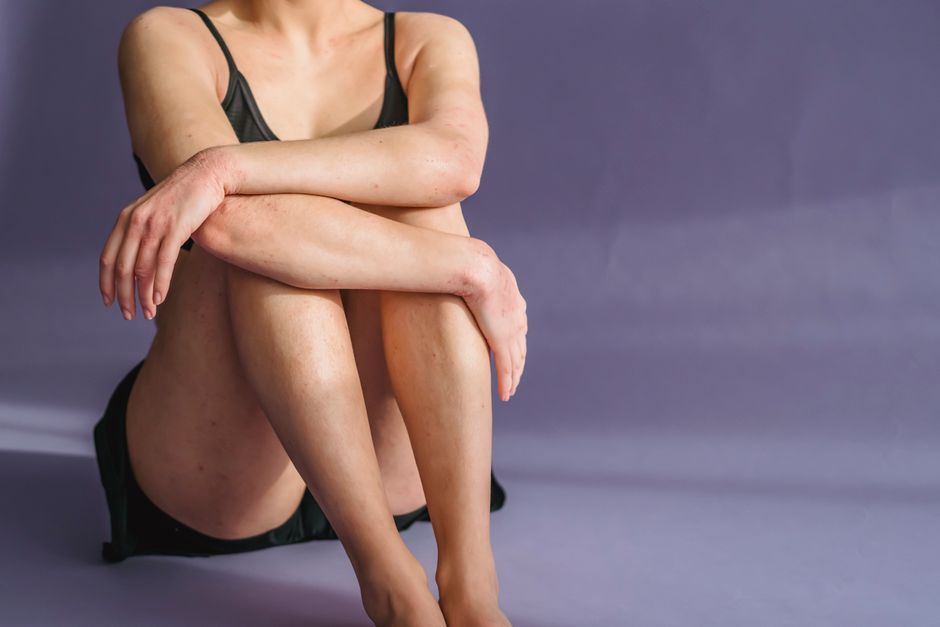
Starter Skincare for Eczema: What it Costs
Building a starter routine for eczema-prone skin doesn’t require a bathroom cabinet full of products. In practice, most dermatologists and skincare educators recommend keeping things short: a gentle cleanser, one or two moisturizers, and a protective occlusive for flare-ups. The cost question is therefore less about buying many products and more about choosing the right few — and understanding where spending more actually helps.
This guide breaks down realistic price ranges for each step of a starter routine, explains the difference between drugstore and premium formulas, and highlights the hidden costs that catch people out, from fragrance-free laundry detergent to prescription copays.
What Counts as a “Starter” Eczema Routine?
A starter routine is deliberately minimal. Skincare guidance for eczema-prone skin generally centers on three pillars: cleanse gently, moisturize generously and frequently, and protect the skin barrier. A typical starter set looks like this:

- A fragrance-free cleanser — a body wash or syndet bar for face and body
- A daily moisturizer — a cream or lotion used at least twice a day, often more
- An occlusive balm or ointment — petrolatum-based products for dry patches and overnight use
- Optional: a barrier or exfoliating step — such as a mild urea or lactic acid cream, or a colloidal oatmeal product for itchy periods
That’s it. Toners, essences, clay masks, and multi-step routines are generally unnecessary and can introduce irritants. The good news for budgeting: a four-product starter routine is achievable at almost any price point.
Cost Breakdown by Product Category
Prices vary widely by country, retailer, and size, but the tiers below give a realistic picture of what you’ll pay for a first full set. All figures are approximate retail ranges in US dollars for standard sizes (roughly 200–500 ml for cleansers and moisturizers, 100–200 g for balms).

Cleanser: $8–$40
Fragrance-free body washes and facial cleansers are among the most affordable items in an eczema routine. Drugstore options — think fragrance-free syndet bars and gentle wash formulations — typically sit at the low end. Premium pharmacy or dermatologist-recommended lines can run three to four times as much for a similar function. The key label words are “fragrance-free,” “dye-free,” and “soap-free.”
Daily Moisturizer: $12–$60
The moisturizer is where frequency of use drives real cost. Eczema care often means applying moisturizer two to four times a day, so a tub that lasts a month at one application a day may last a week at four. Look at cost per 100 ml rather than sticker price. Large tubs of fragrance-free cream are usually the most economical per-use option; ceramide-rich or “barrier repair” formulas with patented ingredients cost more.
Occlusive Balm or Ointment: $6–$25
Plain petrolatum and petrolatum-based ointments remain the reference standard for sealing in moisture, and they are inexpensive. Specialty balms with added colloidal oatmeal or ceramides cost more but occupy the same role. A single tub typically lasts several weeks even with nightly use.
Optional Extras: $10–$45
A colloidal oatmeal bath treatment, a urea cream for rough patches, or a soothing facial moisturizer for the eye area can round out a routine. None are strictly essential at the start, and adding them later is a sensible way to spread cost.
Drugstore vs. Premium: Does Spending More Help?
The honest answer is: sometimes, but not always. The active ingredients that matter most for eczema-prone skin — humectants like glycerin, emollients, occlusives like petrolatum, and barrier lipids such as ceramides — are available at every price point. What premium products often add is cosmetic elegance (better texture, less greasiness), more detailed formulation work, or patented complexes backed by company-funded studies.
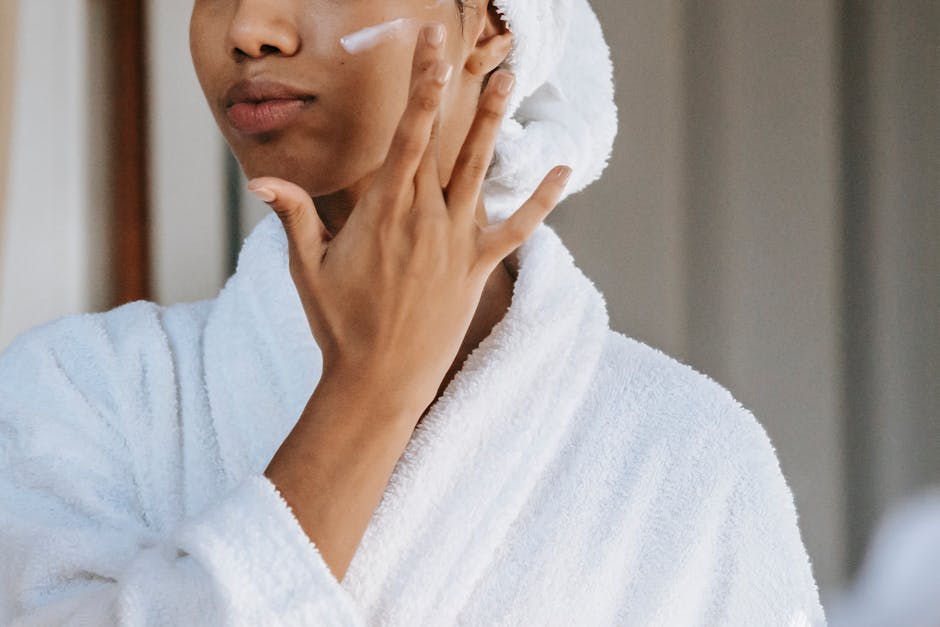
For a starter routine, a reasonable strategy is to spend on the product you’ll use most often (the moisturizer) and save on the ones where formulation matters less (the cleanser and the plain occlusive). Fragrance-free status matters far more than brand prestige. Likewise, the beauty industry coverage of “clean” or luxury skincare rarely maps neatly onto eczema suitability — many elegant formulas contain fragrance or essential oils that sensitive skin may not tolerate. If you’re comparing curated bundles rather than single items, this guide to affordable skincare sets online can help you judge whether a set is genuinely worth it.
One overlooked factor is sleep and stress, which influence skin barrier recovery. The Sleep Foundation notes that sleep quality affects skin health and repair processes, so a routine’s value also depends on the habits around it — no product replaces rest.
Total First-Month Cost: Three Realistic Scenarios
Here is how a first month might add up across three approaches. These are illustrative estimates, not quotes from any retailer.
- Budget approach — roughly $30–$50. Fragrance-free drugstore wash, a large tub of basic cream, plain petrolatum. This covers all three pillars comfortably.
- Mid-range approach — roughly $60–$110. Pharmacy-brand cleanser, a ceramide moisturizer, a specialty balm, plus one oatmeal bath product for flare-ups.
- Premium approach — roughly $120–$200. Dermatologist-recommended or luxury fragrance-free lines across all steps, including a dedicated facial moisturizer.
After month one, ongoing costs usually settle lower because products last beyond 30 days at typical usage — except the daily moisturizer, which is the recurring expense to plan for. A realistic maintenance budget is often 50–70% of the first-month figure.
The Hidden Costs People Forget
The products are only part of the picture. Several adjacent expenses meaningfully affect the total:
- Laundry detergent and fabric softener: fragrance-free, dye-free versions for bedding and clothing, typically $10–$20.
- Clothing and bedding: soft, breathable fabrics — cotton over wool or rough synthetics — can mean replacing scratchy items.
- Prescription treatments: topical corticosteroids or non-steroidal prescriptions may involve a doctor’s visit and a copay, which vary enormously by insurance and country.
- Patch testing and trial-and-error: some people buy several products before finding a tolerable one. Buying small sizes first reduces waste.
- Humidifiers and water filters: optional environmental supports that can run $30–$100.
Factoring these in, a first-year cost for someone starting from scratch is often higher than the product math alone suggests — worth budgeting for deliberately.
How to Keep Starter Costs Under Control
A few practical habits make the routine cheaper without compromising it:
- Buy the biggest size of the product you use daily. Cost per gram drops sharply on tubs and value sizes.
- Patch test before committing. Apply a small amount to the inner forearm for a few days; it’s cheaper than discovering irritation after a full tub.
- Keep the routine stable. Constantly swapping products is the most common hidden cost in sensitive-skin care.
- Treat occlusives as the bargain workhorse. Plain petrolatum is one of the most cost-effective barrier products available.
- Check ingredient lists, not marketing claims. “Natural,” “clean,” and “dermatologist-tested” are not the same as fragrance-free.
It also helps to understand how the rest of your morning lineup fits alongside the eczema basics; this guide to the best morning skincare products explains which steps are worth adding and which are safe to skip. For readers who prefer curated shopping, marketplaces such as Pendazi gather beauty, wellness, and lifestyle products in one place, which can simplify comparing sizes and prices across categories — though the same rule applies: read the ingredient list first.
Conclusion
A starter routine for eczema-prone skin realistically costs somewhere between $30 and $200 for the first month, with most people landing in the $60–$110 range. The routine itself is simple — a gentle cleanser, a generous moisturizer, and an occlusive — and the biggest ongoing expense is the moisturizer you use most often. Spending more can buy nicer textures and more refined formulas, but it does not replace the fundamentals: fragrance-free products, consistent application, and attention to the everyday irritants in laundry, clothing, and environment. Start small, patch test, and build from there.
Discover more from Pendazi
Subscribe to get the latest posts sent to your email.




Add comment