

Air Fryer vs Toaster Oven: Key Differences
Choosing between an air fryer and a toaster oven can be challenging when both appliances promise convenient countertop cooking. While these kitchen devices share some similarities, they operate differently and excel at distinct tasks. Understanding the key differences between air fryers and toaster ovens will help you make an informed decision about which appliance best suits your cooking needs and kitchen space in 2026.
How Air Fryers and Toaster Ovens Work
The fundamental difference between these appliances lies in their cooking mechanisms. Air fryers use rapid air circulation technology, combining a heating element with a powerful fan to distribute hot air at high speeds around food. This creates a convection effect that crisps the exterior while cooking the interior, mimicking deep-frying results with minimal oil.
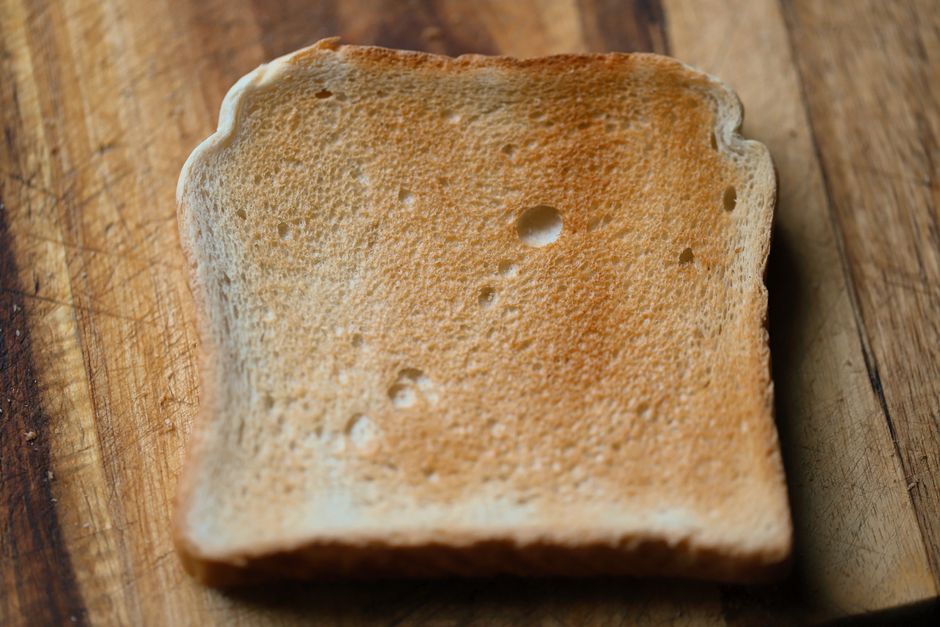
Toaster ovens, on the other hand, function more like miniature conventional ovens. They use heating elements positioned at the top and bottom of the cooking chamber, with some models incorporating convection fans for improved air circulation. The heat radiates from these elements to cook food through direct thermal exposure, similar to a traditional oven but on a smaller scale.
This distinction in cooking methodology explains why each appliance produces different results. Air fryers excel at creating crispy, golden exteriors on foods like french fries, chicken wings, and vegetables, while toaster ovens provide more versatile cooking options including baking, broiling, and toasting.
Cooking Performance and Food Results
When it comes to achieving that coveted crispy texture, air fryers typically outperform toaster ovens. The intense, rapid air circulation in air fryers creates a superior crunch on foods without requiring the large quantities of oil traditionally needed for deep frying. This makes them ideal for preparing healthier versions of fried favorites, from crispy Brussels sprouts to perfectly golden chicken tenders.

Toaster ovens offer broader cooking versatility. They can toast bread evenly, bake small batches of cookies or muffins, reheat pizza while maintaining crust quality, and broil foods with a nicely browned top. Their larger cooking chamber accommodates a wider variety of cookware and food shapes, making them suitable for casseroles, sheet pan dinners, and larger portions.
Air fryers cook faster than toaster ovens due to their compact design and powerful air circulation. The concentrated heat and smaller cooking space mean foods reach desired temperatures more quickly, reducing overall cooking time by approximately twenty to thirty percent compared to toaster ovens. This efficiency makes air fryers particularly appealing for busy households seeking quick meal preparation.
Capacity and Size Considerations
Size and capacity represent significant differences between these appliances. Air fryers typically have smaller cooking baskets, with most models accommodating between two to six quarts. This limited capacity works well for individuals or small families but can be restrictive when preparing meals for larger groups or cooking multiple items simultaneously.

Toaster ovens generally offer more internal space, with cooking chambers large enough to fit a twelve-inch pizza, a whole chicken, or multiple dishes at once. This spaciousness provides flexibility for various cooking tasks and makes toaster ovens more practical for households that frequently cook for several people or prepare diverse meals.
The external footprint varies as well. Air fryers tend to be more compact and vertical in design, taking up less counter space despite their bulkier appearance. Toaster ovens are typically wider and shallower, requiring more horizontal counter space but fitting more easily under cabinets. Consider your available kitchen space when deciding between these options.
Versatility and Cooking Functions
Toaster ovens win in the versatility category. Most models offer multiple cooking functions including toast, bake, broil, and reheat. Many contemporary toaster ovens also include convection settings, warming functions, and specialized modes for bagels or pizza. This multifunctionality allows toaster ovens to replace several other appliances and handle diverse cooking tasks.
Air fryers, while more specialized, have expanded their capabilities in recent years. Modern air fryers often include settings for baking, roasting, and dehydrating in addition to their primary air frying function. However, they remain fundamentally designed for creating crispy, fried-like results and may not perform as well with tasks requiring gentler heat or specific cooking methods like toasting bread.
For households seeking a single appliance to handle multiple cooking needs, toaster ovens provide greater flexibility. If your primary goal is achieving crispy, healthier versions of fried foods with minimal effort, an air fryer remains the superior choice for that specific purpose.
Ease of Use and Maintenance
Both appliances offer user-friendly operation, but with different maintenance requirements. Air fryers typically feature removable, nonstick baskets that are dishwasher safe, making cleanup straightforward. The compact design means fewer surfaces to clean, though the basket perforations can trap small food particles requiring extra attention.
Toaster ovens have more components to clean, including racks, crumb trays, and the interior cooking chamber. Food splatters and drips can accumulate on the heating elements and walls, requiring regular wiping to prevent smoking and odors. However, the larger, more accessible interior makes it easier to reach all surfaces compared to the confined spaces in some air fryer models. For example, a Cuisinart Fresh Slice Drum Grater might also require attention to its components after use, highlighting the importance of thorough cleaning for kitchen gadgets.
In terms of operation, air fryers are generally simpler with straightforward temperature and timer controls. Toaster ovens offer more settings and options, which provides flexibility but may present a slight learning curve for users unfamiliar with their various functions.
Energy Efficiency and Cost Factors
Both appliances consume less energy than full-sized ovens, making them economical choices for everyday cooking. Air fryers typically use between 1,400 and 1,700 watts, while toaster ovens range from 1,200 to 1,800 watts depending on size and features. The shorter cooking times in air fryers can result in lower overall energy consumption for many tasks.
Purchase prices vary widely based on brand, size, and features. As of 2026, basic air fryers start around fifty dollars, while premium models with larger capacities and additional functions can exceed two hundred dollars. Toaster ovens span a similar price range, with simple models beginning around forty dollars and high-end convection toaster ovens reaching three hundred dollars or more.
Consider the long-term value each appliance provides. If you’ll use the versatility of a toaster oven regularly, it offers better value despite potentially higher initial costs. Conversely, if crispy, oil-free cooking aligns with your dietary goals and preferences, an air fryer represents a worthwhile investment in healthier meal preparation.
Making Your Decision
Choosing between an air fryer and a toaster oven depends on your specific cooking priorities, kitchen space, and household needs. Air fryers excel at producing crispy, healthier versions of fried foods quickly and efficiently. They’re ideal for individuals or small families who prioritize speed and texture while embracing a health-conscious cooking approach.
Toaster ovens provide unmatched versatility, handling everything from morning toast to evening casseroles with consistent results. They suit larger households, avid bakers, or anyone seeking a multifunctional appliance that can replace multiple kitchen tools. The spacious interior and diverse cooking modes make toaster ovens practical for varied cooking needs.
Some households find that owning both appliances creates the ultimate countertop cooking setup, allowing them to leverage each device’s strengths. However, if space or budget constraints require choosing one, prioritize the appliance that aligns most closely with your daily cooking habits and the types of meals you prepare most frequently.
Both air fryers and toaster ovens represent valuable additions to modern kitchens, each offering distinct advantages that can streamline meal preparation and expand your cooking possibilities in 2026. Just as a digital artist might use various digital art tools, a home cook benefits from understanding the specialized tools available for different culinary tasks.
Discover more from Pendazi
Subscribe to get the latest posts sent to your email.






Leave a Reply