

Daytime Skincare Products Guide for 2026
Building an effective daytime skincare routine requires understanding which products protect and enhance your skin throughout the day. Unlike nighttime regimens that focus on repair and renewal, daytime skincare products are specifically formulated to shield your skin from environmental stressors while maintaining a fresh, healthy appearance from morning until evening.
The modern approach to daytime skincare in 2026 emphasizes protection, hydration, and preparation. With increased awareness about environmental damage and premature aging, the right combination of daytime products has become essential for maintaining skin health and radiance.
Essential Daytime Skincare Product Categories
A complete daytime skincare routine typically includes several key product categories, each serving a specific purpose in protecting and nourishing your skin. Understanding these categories helps you build a regimen tailored to your unique skin needs.
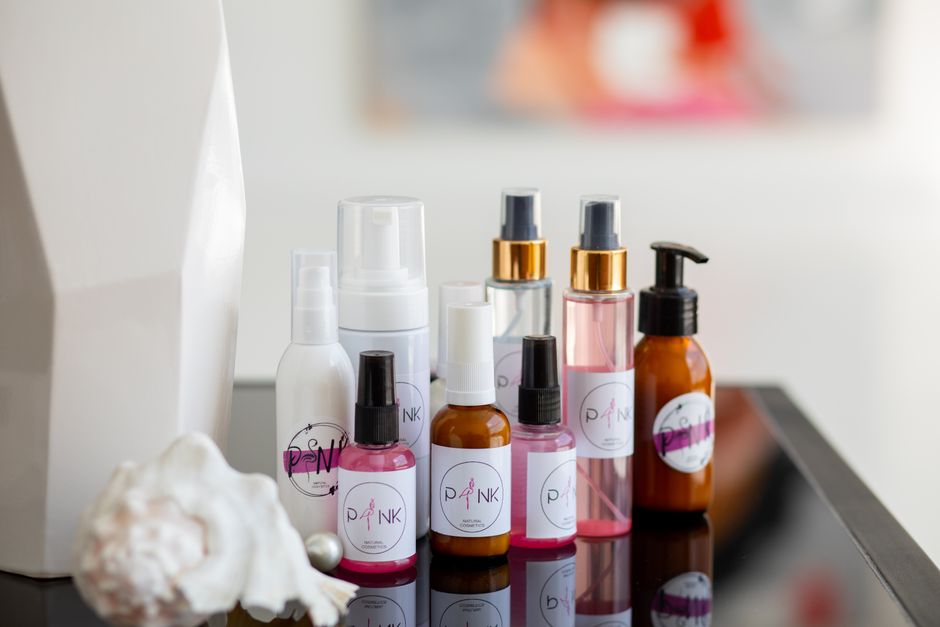
Cleansers form the foundation of any morning routine, removing overnight buildup of oils and preparing skin for subsequent products. Gentle, non-stripping formulas work best for morning use, as your skin doesn’t require the deep cleansing typically needed at night.
Serums deliver concentrated active ingredients that address specific concerns such as brightness, hydration, or texture. Vitamin C serums have become particularly popular for daytime use due to their antioxidant properties and ability to protect against environmental damage.
Moisturizers create a protective barrier while maintaining optimal hydration levels throughout the day. Lightweight formulas that absorb quickly without leaving residue work best under makeup and throughout daily activities.
Sunscreen represents the most crucial daytime skincare product, protecting against both UVA and UVB rays that cause premature aging and skin damage. Modern formulations offer elegant textures that layer well with other products without the heavy feel of traditional sunscreens.
Key Ingredients to Look For
The effectiveness of daytime skincare products depends largely on their active ingredients. Understanding which ingredients provide daytime benefits helps you select products that truly work for your skin.

Antioxidants like vitamin C, vitamin E, and ferulic acid neutralize free radicals generated by UV exposure and pollution. These ingredients not only protect but also brighten and even out skin tone over time.
Hyaluronic acid draws moisture into the skin and maintains hydration throughout the day. This ingredient works across all skin types, providing lightweight hydration without heaviness or greasiness.
Niacinamide offers multiple benefits including pore refinement, oil control, and barrier strengthening. This versatile ingredient suits most skin types and plays well with other active ingredients in your routine.
Peptides support skin structure and firmness while providing a smoothing effect that creates an ideal canvas for makeup application. These ingredients work cumulatively to improve skin texture over time.
SPF filters including both physical blockers like zinc oxide and titanium dioxide, and chemical filters like avobenzone and octinoxate, provide essential protection. Modern formulations often combine multiple filters for broad-spectrum protection.
Building Your Daytime Routine
Creating an effective daytime skincare routine involves more than just purchasing quality products. The order of application and proper layering technique maximize the benefits of each product.

Start with a gentle cleanse to refresh skin and remove any overnight buildup. Pat your face dry and immediately apply products to slightly damp skin, which enhances absorption.
Apply treatment serums next, starting with the thinnest consistency and working toward thicker formulas. Allow 30-60 seconds between layers for optimal absorption. This step delivers concentrated active ingredients that address your specific skin concerns.
Follow with eye cream if this is part of your routine. The delicate eye area often requires specialized formulas that address concerns like dark circles, puffiness, or fine lines without irritation.
Apply moisturizer to lock in previous layers and provide additional hydration. Choose formulas appropriate for your skin type, whether that means lightweight gels for oily skin or richer creams for dry skin.
Finish with broad-spectrum sunscreen of at least SPF 30, applying generously to all exposed areas. This step is non-negotiable regardless of weather, season, or indoor versus outdoor activities, as UV rays penetrate windows and cause cumulative damage.
Seasonal Adjustments and Considerations
Your daytime skincare needs shift throughout the year as environmental conditions change. Adapting your product selection ensures optimal protection and hydration regardless of season.
During summer months, lightweight gel-based moisturizers and water-resistant sunscreens become essential. Increased sun exposure requires higher SPF formulations and more frequent reapplication, especially during outdoor activities.
In winter, richer moisturizers and protective barrier creams help combat dry indoor heating and harsh outdoor conditions. However, sunscreen remains equally important despite reduced sun intensity, as UV rays reflect off snow and ice.
Spring and fall transitions often require adjusting product weights and formulations as temperatures moderate. These seasons present ideal times to introduce new active ingredients or treatment products, as skin typically experiences less stress during moderate weather.
Common Mistakes to Avoid
Even with quality products, certain common mistakes can undermine your daytime skincare routine’s effectiveness. Recognizing and avoiding these pitfalls ensures you receive maximum benefits from your investment.
Insufficient sunscreen application ranks as the most common error. Most people apply only 25-50% of the recommended amount, significantly reducing protection levels. Use approximately one-quarter teaspoon for the face alone, and don’t forget your neck and ears.
Skipping sunscreen on cloudy days leaves skin vulnerable to UV damage that occurs regardless of visible sunshine. Up to 80% of UV rays penetrate clouds, making daily sunscreen application essential regardless of weather conditions.
Using night products during the day can cause sensitivity or reduce effectiveness. Ingredients like retinol increase sun sensitivity and break down in UV light, making them inappropriate for daytime use despite their anti-aging benefits.
Overloading skin with too many products can overwhelm your skin barrier and reduce effectiveness. Focus on essential steps with quality formulations rather than extensive routines with redundant products.
Neglecting reapplication of sunscreen throughout the day diminishes protection, especially during extended outdoor exposure. Reapply every two hours during continuous sun exposure for maintained protection.
Choosing Products for Your Skin Type
Selecting appropriate daytime skincare products requires understanding your skin type and its specific needs. Customizing your routine ensures optimal results without exacerbating existing concerns.
Oily skin benefits from lightweight, oil-free formulations that control shine without clogging pores. Look for non-comedogenic labels and ingredients like niacinamide that regulate sebum production. Gel-based sunscreens often work better than cream formulations for this skin type.
Dry skin requires richer, more emollient products that provide lasting hydration. Seek formulations containing ceramides, glycerin, and oils that strengthen the skin barrier and prevent moisture loss throughout the day.
Combination skin often responds well to balanced formulations that hydrate without adding excess oil. Consider using different products on different facial zones, applying lighter formulas to the T-zone and richer products to drier cheek areas.
Sensitive skin needs gentle, fragrance-free formulations with minimal ingredients. Physical sunscreens containing zinc oxide or titanium dioxide typically cause less irritation than chemical filters, though modern formulations have improved tolerability across the board.
According to Vogue, understanding your skin’s unique characteristics and seasonal changes helps you adapt your routine for optimal results throughout the year.
Conclusion
Creating an effective daytime skincare routine centers on protection, hydration, and preparation. By selecting appropriate cleansers, serums, moisturizers, and sunscreens, you establish a foundation that keeps your skin healthy and radiant throughout daily activities and environmental exposures.
The key to successful daytime skincare lies in consistency and proper product selection tailored to your individual needs. Whether you prefer minimal routines with multi-functional products or comprehensive regimens with targeted treatments, ensuring adequate sun protection and hydration remains essential for maintaining skin health in 2026 and beyond.
Remember that building an effective routine takes time and experimentation. Pay attention to how your skin responds to different products and adjust accordingly, always prioritizing sun protection as the cornerstone of any daytime skincare regimen.
Discover more from Pendazi
Subscribe to get the latest posts sent to your email.






Leave a Reply