

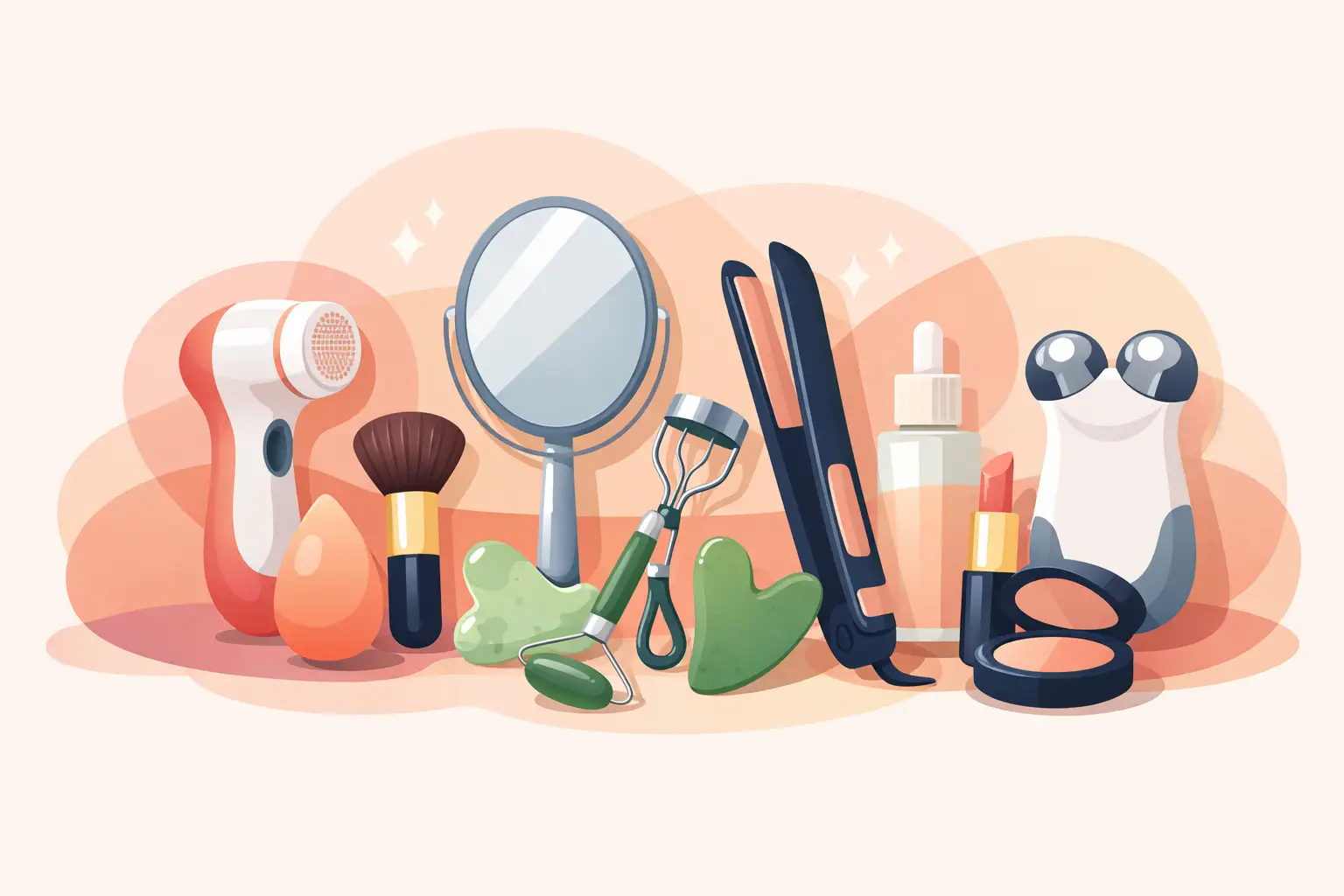
A crowded beauty aisle can make a simple routine feel expensive fast. The best beauty tools for beginners are not the trendiest gadgets or a drawer full of specialty brushes. They are the reliable, easy-to-use essentials that help you apply products neatly, care for your skin, and get ready with less guesswork.
Start with tools that work across several looks and routines. A few smart picks can take you from a five-minute weekday face to a polished dinner-ready look without buying duplicates you will barely use. That is a better deal for your budget, your bathroom counter, and your confidence.
Best beauty tools for beginners: Start with the basics
When you are building your first kit, prioritize tools that are forgiving. Soft bristles, simple shapes, and multipurpose designs make a bigger difference than professional-level complexity. The right tool should make a product easier to use, not add another technique to learn.
1. Makeup sponge
A makeup sponge is one of the easiest ways to apply liquid foundation, skin tint, concealer, and cream blush. Dampen it, squeeze out the excess water, and tap product onto the skin rather than dragging it. That bouncing motion helps create a more even, natural-looking finish, especially if you are still learning how much makeup to apply.
A sponge is useful for beginners because it is hard to overdo when you build coverage in thin layers. Keep at least two on hand so one can dry after washing. Replace it regularly, and never store it wet in a closed makeup bag.
2. A small set of face and eye brushes
You do not need a 30-piece brush set to get started. A compact set with a fluffy powder brush, a medium complexion brush, a blush or bronzer brush, and two or three eye brushes covers most everyday looks. For eyes, look for one soft blending brush and one smaller brush for placing shadow closer to the lash line.
Brushes give you more control with powder products than fingers do. They are especially helpful for blending blush, setting powder, bronzer, and eyeshadow so there are no obvious edges. Softer synthetic bristles are a practical choice for a first set because they generally work well with creams and powders and are easy to clean.
3. Eyelash curler
An eyelash curler can make bare lashes look more open before you even reach for mascara. Use it on clean, dry lashes before applying mascara. Position it close to the roots without pinching the skin, press gently for a few seconds, then move slightly upward for a softer curl.
This is a low-cost tool with a noticeable payoff, but fit matters. A curler that feels too narrow or pinches is not worth forcing. Choose one with a comfortable grip and a smooth, cushioned pad, then replace the pad when it looks worn.
4. Precision tweezers
Good tweezers earn their place in nearly every beauty bag. They can tidy stray brow hairs, remove a lash that has fallen into your eye area, or help place false lashes once you are ready to try them. Slanted-tip tweezers are the most versatile option for beginners because they grip individual hairs without being overly sharp.
Avoid turning a quick cleanup into a full brow redesign. Brush brows upward first, remove only obvious stray hairs, and step back from the mirror between a few tweezes. A little restraint saves you from the uneven results that take weeks to grow out.
5. A spoolie brush
A spoolie is the small, mascara-wand-shaped brush that keeps brows and lashes looking more polished. It separates mascara clumps, blends brow pencil, and brushes brow gel into place. It may be tiny, but it is one of the best examples of a beauty tool that delivers more than its price suggests.
Disposable spoolies are convenient for travel and clean touch-ups, while a reusable spoolie is a simple everyday staple. Use a clean one when blending brow color so you do not transfer old product back into your makeup.
6. Makeup remover cloths or reusable cleansing pads
The best makeup application starts with clean skin, and the best removal routine does not involve harsh scrubbing. Soft reusable cleansing pads or a gentle makeup remover cloth can help lift makeup, sunscreen, and residue before your regular cleanser. They are particularly handy for fixing a mascara smudge or cleaning up the edge of lipstick.
Choose a soft material and use light pressure. Even a great tool can irritate skin if you scrub aggressively, especially around the eyes. Wash reusable pads after use so product buildup does not end up back on your face.
7. Facial cleansing brush, used carefully
A manual facial cleansing brush can be a useful add-on if you enjoy a more thorough cleanse. It may help work cleanser around the nose, chin, and hairline, where sunscreen and makeup tend to linger. For sensitive, dry, or irritated skin, however, your fingertips and a gentle cleanser may be the better choice.
This is where more is not always better. Use a soft brush only a few times a week at first, and skip it if your skin feels tight, red, or stingy afterward. Exfoliating tools should support your routine, not turn cleansing into a daily abrasion session.
8. Wide-tooth comb and detangling brush
Beauty tools are not only for makeup. A wide-tooth comb is a simple essential for detangling damp hair with less pulling, particularly for waves, curls, and textured hair. Start at the ends and work upward in small sections instead of trying to pull through knots from the roots.
A flexible detangling brush can also be a great everyday option, but it depends on your hair type and styling habits. Fine hair may prefer a gentler brush, while thick or curly hair may benefit from wider spacing and more flexibility. The goal is less breakage, not just faster brushing.
9. Nail file and buffer
A neat nail file is an easy way to make hands look put together between salon visits. A fine-grit file helps shape natural nails with more control than clipping alone. File in one direction rather than sawing back and forth, which can encourage peeling at the tips.
A buffer can smooth small ridges, but use it sparingly. Over-buffing can leave natural nails thin and weak. Pair these basics with cuticle oil if dry cuticles are a concern, and skip cutting cuticles unless you know exactly what you are doing.
10. Cosmetic organizer or travel bag
The most overlooked beginner tool is the one that keeps everything clean and easy to find. A divided makeup bag, brush holder, or clear organizer prevents your new essentials from disappearing into a messy drawer. It also makes it easier to see what you actually use before buying more.
Look for something sized to your routine, not your aspirations. A small bag encourages a practical edit and travels well. As your collection grows, you can always add storage instead of starting with a bulky organizer full of empty compartments.
How to shop beauty tools without overspending
A beginner kit should feel useful on day one, not like a costly commitment. Start with a sponge, a small brush set, tweezers, a spoolie, a cleansing option, and hair or nail basics that match your current routine. Add an eyelash curler, specialty skin tools, or more detailed eye brushes once you know you will use them.
When comparing options, focus on material, comfort, cleaning needs, and versatility. A lower-priced brush that feels soft and washes well can be a better purchase than a large set filled with shapes you do not understand. Likewise, an electric cleansing device may be appealing, but a simple manual tool can be easier to control and maintain.
Sales are a good time to replace worn-out sponges, stock up on cleansing pads, or pick up a starter brush set. At Pendazi, browsing beauty alongside accessories, travel bags, and everyday self-care finds can make it easier to build a practical kit in one shopping stop. Check dimensions and included pieces before adding a set to your cart so the value is real, not just the discount.
Keep your tools clean and working well
Clean tools protect your makeup application and your skin. Wash makeup sponges after each use when possible, and clean brushes at least weekly if you use them regularly. Use gentle soap or brush cleanser, rinse thoroughly, reshape brush heads, and let them dry flat or with the bristles angled downward.
Wipe tweezers and eyelash curlers with alcohol after use, especially if you share a space with others. Never share eye makeup tools when someone has an eye infection or irritation. Replace damaged pads, frayed brushes, and sponges that no longer come clean.
A beginner beauty routine should feel like a small upgrade to your day, not a complicated project. Choose one tool that solves a real problem you have now, learn how it works, and let your kit grow only when the next tool will truly earn its spot.
Discover more from Pendazi
Subscribe to get the latest posts sent to your email.



Leave a Reply