

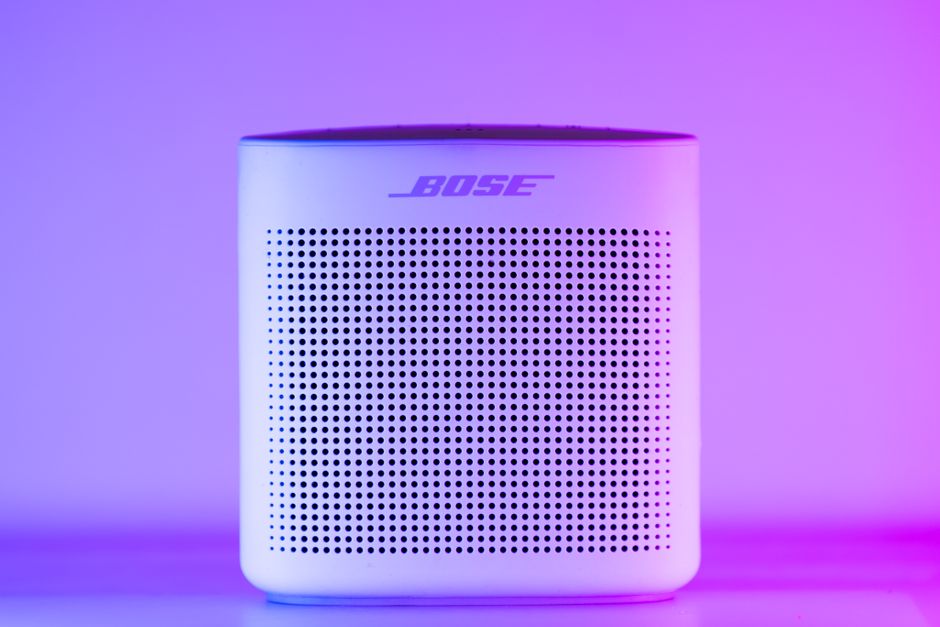
Budget Bluetooth Speakers: Your 2026 Guide
Bluetooth speakers have become an essential part of modern life, whether you’re enjoying music at home, hosting outdoor gatherings, or enhancing your workspace ambiance. As of 2026, the market offers an impressive range of affordable options that deliver remarkable sound quality without breaking the bank. Finding the right budget Bluetooth speaker means understanding key features, performance metrics, and value propositions that matter most to your listening experience.
This comprehensive guide explores everything you need to know about budget Bluetooth speakers, helping you make an informed decision that matches your lifestyle and audio needs.
Understanding Budget Bluetooth Speaker Technology
Budget Bluetooth speakers have evolved significantly over recent years. In 2026, even affordable models incorporate advanced audio processing, improved battery technology, and enhanced connectivity features that were once reserved for premium devices. The latest Bluetooth 5.3 technology offers extended range, better power efficiency, and more stable connections compared to earlier versions.
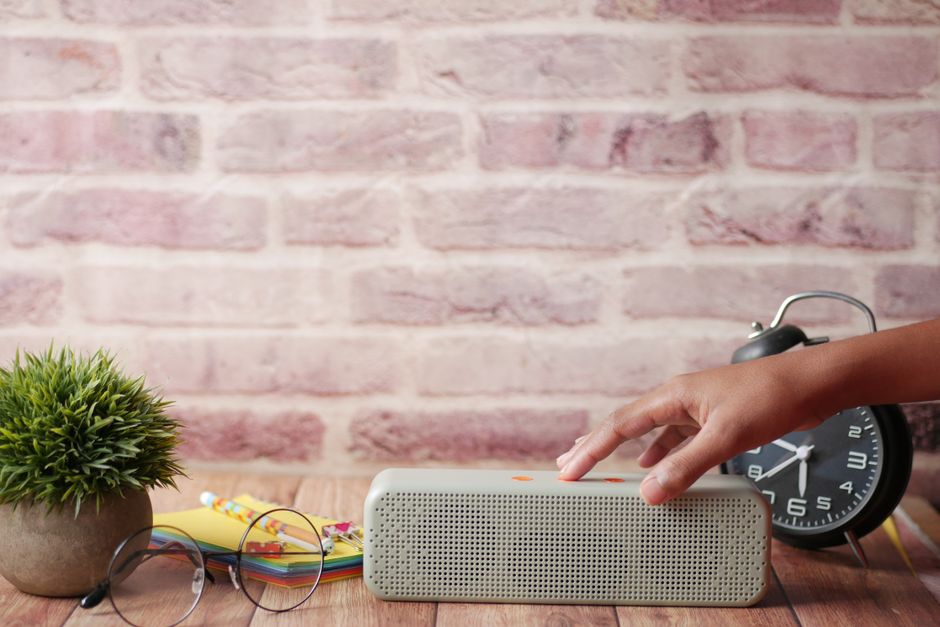
Most budget speakers now feature Class D amplifiers, which provide excellent power efficiency and reduce distortion at higher volumes. Many models also include passive radiators or bass reflex ports to enhance low-frequency response, delivering surprisingly rich sound from compact enclosures. Digital signal processing has become standard, allowing manufacturers to optimize sound output through software tuning.
The typical price range for quality budget Bluetooth speakers in 2026 spans from $20 to $80, with the sweet spot around $40 to $60 where you’ll find the best balance of features and performance. Within this range, you can expect decent battery life, water resistance ratings, and sound quality that satisfies casual listening needs.
Key Features to Consider When Shopping
When evaluating budget Bluetooth speakers, several critical features deserve your attention. Sound quality remains paramount, but defining what constitutes good sound depends on your preferences. Look for speakers with balanced frequency response rather than models that excessively boost bass at the expense of clarity.

Battery life significantly impacts usability, especially for portable applications. Modern budget speakers typically offer 8 to 20 hours of playback time per charge. Consider your usage patterns: occasional home use requires less capacity than regular outdoor adventures.
Water resistance ratings have become increasingly important. The IP (Ingress Protection) rating system indicates resistance to dust and water. An IPX4 rating protects against splashes, while IPX7 means the speaker can survive temporary immersion. For poolside use or beach trips, prioritize higher IP ratings.
Connectivity options extend beyond basic Bluetooth pairing. Many budget speakers now support multi-device pairing, allowing seamless switching between phones, tablets, and computers. Some models offer TWS (True Wireless Stereo) functionality, enabling you to pair two identical speakers for stereo sound.
Build quality matters for longevity. Rubberized exteriors, metal grilles, and reinforced corners indicate durability. While budget speakers use plastic housing predominantly, quality construction ensures they withstand regular use and occasional bumps.
Sound Quality Expectations at Different Price Points
Understanding realistic sound quality expectations helps avoid disappointment. Budget speakers under $30 typically deliver adequate performance for casual background listening, podcasts, and phone calls. They often lack depth in bass response and may distort at maximum volume, but they serve basic needs effectively.

The $30 to $50 range represents the best value territory in 2026. Speakers in this segment offer balanced sound profiles suitable for most music genres, clearer vocals, and improved bass response. They handle moderate volumes without significant distortion and provide satisfactory listening experiences for small to medium-sized rooms.
Budget speakers approaching $80 compete with entry-level offerings from premium brands. They frequently include enhanced drivers, better acoustic design, and more sophisticated tuning. While they won’t match $200+ speakers, they deliver impressive performance that satisfies most casual listeners.
Room size significantly affects perceived sound quality. A budget speaker that sounds excellent in a bedroom may seem underwhelming in a large living space. Consider your primary listening environment when selecting a model.
Popular Use Cases and Matching Features
Different usage scenarios demand specific features. For home use, prioritize sound quality and aesthetics over portability and battery life. Speakers with auxiliary input options allow connection to non-Bluetooth devices, expanding versatility.
Outdoor enthusiasts should focus on water resistance, battery longevity, and rugged construction. Carabiner clips or attachment points enable securing speakers to backpacks. Compact dimensions and lightweight designs enhance portability without sacrificing too much sound quality.
Workspace applications benefit from speakers with clear vocal reproduction for conference calls and podcast listening. Built-in microphones with noise cancellation improve call quality. Compact designs minimize desk clutter while delivering adequate volume for personal listening.
For bedroom use, particularly as a sleep aid, consider speakers with softer volume control and the ability to connect to sleep-promoting audio content. Some budget models include sleep timers that automatically power off after a set duration, conserving battery life overnight.
Kitchen scenarios demand water-resistant models that can withstand occasional splashes. Voice assistant integration, available in select budget speakers, allows hands-free control while cooking.
Comparing Brand Strategies and Value Propositions
The budget Bluetooth speaker market features diverse manufacturers with distinct approaches. Established audio brands often offer stripped-down versions of their premium technologies at accessible prices, providing reliable performance backed by brand reputation.
Direct-to-consumer brands leverage online sales channels to reduce costs, passing savings to customers. These companies frequently emphasize specific features like extended battery life or enhanced bass response, targeting particular user preferences.
Generic brands compete primarily on price, offering basic functionality at minimal cost. While they may lack refined sound quality or advanced features, they serve budget-conscious consumers adequately for non-critical applications.
As of 2026, sustainability has become an important differentiator. Some manufacturers incorporate recycled materials, offer repair programs, or design for extended product lifecycles. These practices appeal to environmentally conscious consumers willing to pay slightly more for responsible production.
Reading verified customer reviews provides invaluable insights into real-world performance, durability, and customer service experiences. Pay attention to reviews mentioning long-term use rather than initial impressions alone.
Maximizing Your Budget Speaker Investment
Getting the most from your budget Bluetooth speaker involves proper care and optimal usage. Avoid exposure to extreme temperatures, which can degrade battery performance and damage internal components. Clean speakers regularly using soft, dry cloths to prevent dust accumulation in grilles.
Battery maintenance extends lifespan. Avoid completely draining lithium-ion batteries repeatedly, and store speakers with partial charge during extended periods of non-use. Many modern speakers include battery management systems that optimize charging, but mindful usage habits still matter.
Firmware updates, when available, can improve performance and fix bugs. Check manufacturer websites or companion apps periodically for updates that enhance your speaker’s capabilities.
Optimize placement for better sound. Positioning speakers near walls or corners can enhance bass response through acoustic reinforcement, while placement on soft surfaces may muffle output. Experiment with positioning to find the sweet spot in your space.
Consider complementary accessories like protective cases, mounting brackets, or auxiliary cables to expand functionality. These modest investments protect your speaker and enable new use cases.
Conclusion
Budget Bluetooth speakers in 2026 offer remarkable value, combining decent sound quality with essential features at accessible prices. By understanding key specifications, matching features to your specific use cases, and maintaining realistic expectations, you can find a speaker that enhances your audio experience without straining your budget. Whether you’re furnishing a home office, planning outdoor adventures, or simply seeking better sound than smartphone speakers provide, today’s affordable options deliver satisfying performance. The key lies in prioritizing features that matter most to your lifestyle while recognizing the inherent limitations of budget-priced audio equipment.
For those seeking diverse electronics and unique lifestyle products, including quality audio solutions, platforms like Pendazi offer curated selections that balance quality and value across multiple product categories. Before making a choice, it’s always a good idea to compare shoes online or other products to ensure you get the best fit for your needs. If you’re a student, don’t forget to check out essential items like college dorm essentials for 2026, which might include budget-friendly audio options. Even when looking for stylish footwear like Crocs Ralen: Comfort and Style Guide 2026, understanding value is key, just as it is for budget speakers. To truly be a savvy shopper, you can also learn how to compare sneaker prices effectively, applying similar principles to electronics.
Discover more from Pendazi
Subscribe to get the latest posts sent to your email.



Leave a Reply