

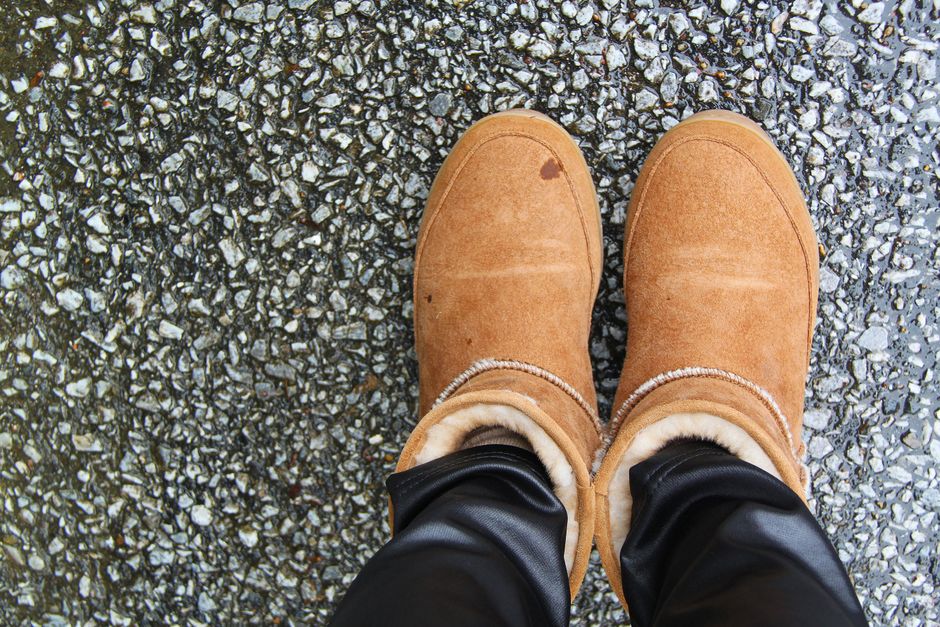
Does Ugg Protector Spray Expire?
You pull your UGG boots out of the closet as the weather turns cool, reach for the can of protector spray you bought a couple of seasons ago, and pause. The can looks fine, but it has been sitting on the shelf for a while. Does UGG protector spray actually expire? The short answer is yes — but the longer answer is more nuanced, and it matters if you want to keep expensive suede and sheepskin footwear looking new. This guide breaks down how long protector sprays last, how to tell if yours has gone bad, and how to store it so you get the most out of every can.
Do Protector Sprays Actually Have an Expiration Date?
UGG protector spray does not carry a dramatic “use by” date stamped in bold red, but it is not shelf-stable forever. Most aerosol and pump-style fabric protector sprays — including UGG’s own branded protector — remain at peak effectiveness for roughly two to three years from the date of manufacture when stored properly. After that window, the product does not usually become dangerous, but it does become less reliable.

There are a few reasons for this. Protector sprays are typically built around fluoropolymer or silicone-based chemistry suspended in a solvent or water carrier. Over time:
- The active ingredients can separate from the carrier liquid, making the spray uneven.
- The propellant in aerosol cans slowly leaks, reducing spray pressure and coverage.
- Solvents evaporate, thickening what remains and causing clogged nozzles.
- Water-based formulas can grow bacteria or mold if stored in damp conditions.
The result is a product that may still spray something, but that something may not protect your boots the way it once did. Since a single can is inexpensive relative to a pair of UGGs, it is rarely worth gambling on a degraded product.
How Long Does UGG Protector Spray Last?
Here is a practical breakdown based on storage conditions:

- Unopened can, stored correctly: 2–3 years, sometimes longer if kept cool and dry.
- Opened can, stored correctly: 1–2 years of reliable performance.
- Opened can, stored in a hot garage or damp basement: as little as 6–12 months before quality drops.
Aerosol cans are generally more vulnerable to pressure loss and nozzle clogging than pump sprays, but both types degrade. If you cannot remember when you bought your can, treat anything older than two years as suspect.
Signs Your UGG Protector Spray Has Gone Bad
You do not need a laboratory to test your spray. A few quick observations will tell you whether it is still usable:

- The spray pattern is weak or sputtering. A healthy aerosol produces a fine, even mist. If it dribbles, spits, or comes out in a narrow stream, the propellant or nozzle is compromised.
- The liquid has separated or looks cloudy. Shake the can. If it does not return to a uniform consistency, the formula has broken down.
- The smell has changed. A sour, musty, or unusually sharp chemical odor is a red flag, especially in water-based formulas.
- The nozzle is clogged. You can sometimes clear this with warm water and a pin, but recurring clogs suggest the product is thickening.
- It no longer repels water. Test on a small inconspicuous area of an old shoe. If water soaks in instead of beading up, the spray has lost its protective power.
If you notice two or more of these signs, replace the can. Using degraded protector is worse than using none at all, because you may believe your boots are shielded when they are not.
Does Expired Protector Spray Harm Your UGGs?
In most cases, expired protector spray will not damage your footwear — it simply will not protect it well. However, there are exceptions worth knowing about:
- Separated formulas can leave uneven patches, streaks, or a sticky residue that attracts dirt.
- Water-based sprays that have spoiled may leave a musty odor inside the sheepskin lining.
- Thickened product can darken suede unevenly, creating a blotchy appearance that is difficult to correct.
The bigger risk is indirect: you skip reapplication because you assume the old coat is still working, and your boots end up stained by rain, salt, or mud. Prevention is far easier than cleaning suede after the fact, which is why a fresh can matters more than most people realize.
How to Store UGG Protector Spray So It Lasts Longer
Proper storage can add months or even years to the life of your protector spray. Follow these guidelines:
- Keep it cool and dry. A closet shelf or cabinet is ideal — avoid garages, cars, and attics where temperatures swing wildly.
- Avoid direct sunlight. UV exposure degrades both the container and the formula. For broader guidance on how light and temperature affect materials, Vogue regularly covers fabric and material care.
- Store upright. Aerosol cans stored sideways or upside down are more prone to leaking and clogging.
- Keep the cap on. This protects the nozzle from dust and accidental discharge.
- Wipe the nozzle after each use. A quick wipe prevents buildup that shortens the can’s usable life.
- Do not puncture or overheat. This is a safety issue as much as a quality one — pressurized cans can rupture.
If you follow these habits, you can reasonably expect a can to stay effective for two full seasons or more.
How Often Should You Reapply Protector Spray?
Even a fresh can does not last forever on the boots themselves. UGG recommends reapplying protector spray periodically, and most experts suggest:
- Before the first wear of a new pair, to establish a baseline barrier.
- Every few weeks during heavy use, especially in wet or snowy conditions.
- After any deep clean, because cleaning strips the protective layer.
- At the start of each season, before you begin wearing them regularly again.
Consistency matters more than the exact product you use. A moderately priced protector reapplied regularly will outperform a premium spray applied once and forgotten. The same logic applies to caring for other footwear materials like white Doc Martens, where routine maintenance beats occasional deep treatment.
What to Do Before You Buy a Replacement
When it is time to replace your can, take a moment to buy smart:
- Check the manufacturing date if the packaging includes one, and choose the newest stock available.
- Buy from a reputable retailer where turnover is high, so you are not getting old inventory.
- Match the product to the material. UGG boots come in suede, sheepskin, leather, and synthetic blends, and not every protector is formulated for all of them.
- Consider a pump spray if you rarely use a full aerosol can — they tend to have a more forgiving shelf life.
If you are stocking up on seasonal care essentials — for footwear, home textiles, or anything else in your wardrobe — browsing a curated selection of lifestyle and wellness products can help you find reliable options alongside your other purchases. Platforms like Pendazi curate useful everyday items across categories, which is convenient when you are already shopping for home and apparel care.
And if your UGG care routine is part of a broader wind-down at the end of the day, remember that good sleep supports good habits. The Sleep Foundation offers evidence-based guidance on rest and recovery that pairs well with any self-care routine.
Frequently Asked Questions
Can I use expired UGG protector spray on new boots?
It is not recommended. You may end up with uneven coverage and false confidence. Use a fresh can on new or freshly cleaned boots.
Does UGG protector spray have a printed expiry date?
Not always. Some cans include a batch code or manufacturing date rather than an explicit expiration date. If yours does not, assume two years from purchase.
Is it safe to use slightly old protector spray on an old pair of boots?
If the spray still mists evenly, smells normal, and beads water in a test spot, it is probably fine for casual use. If any of those fail, retire the can.
Can I revive a clogged UGG protector spray can?
Sometimes. Remove the nozzle, soak it in warm water, and clear blockages with a pin. If the can itself has lost pressure, it cannot be revived.
Conclusion
UGG protector spray does expire — typically within two to three years of manufacture, and sooner once opened or stored poorly. It will not usually harm your boots, but it will quietly stop doing its job, leaving your suede and sheepskin vulnerable to water, salt, and stains. Check your can for weak spray, separation, odor changes, and poor water beading. If anything seems off, replace it. Store new cans upright, cool, and out of sunlight, reapply regularly throughout the season, and your UGGs will stay protected and presentable for years to come. Just as you would layer skincare in the right order for best results, proper sequence and timing make all the difference in protecting your footwear.
Discover more from Pendazi
Subscribe to get the latest posts sent to your email.




Leave a Reply