

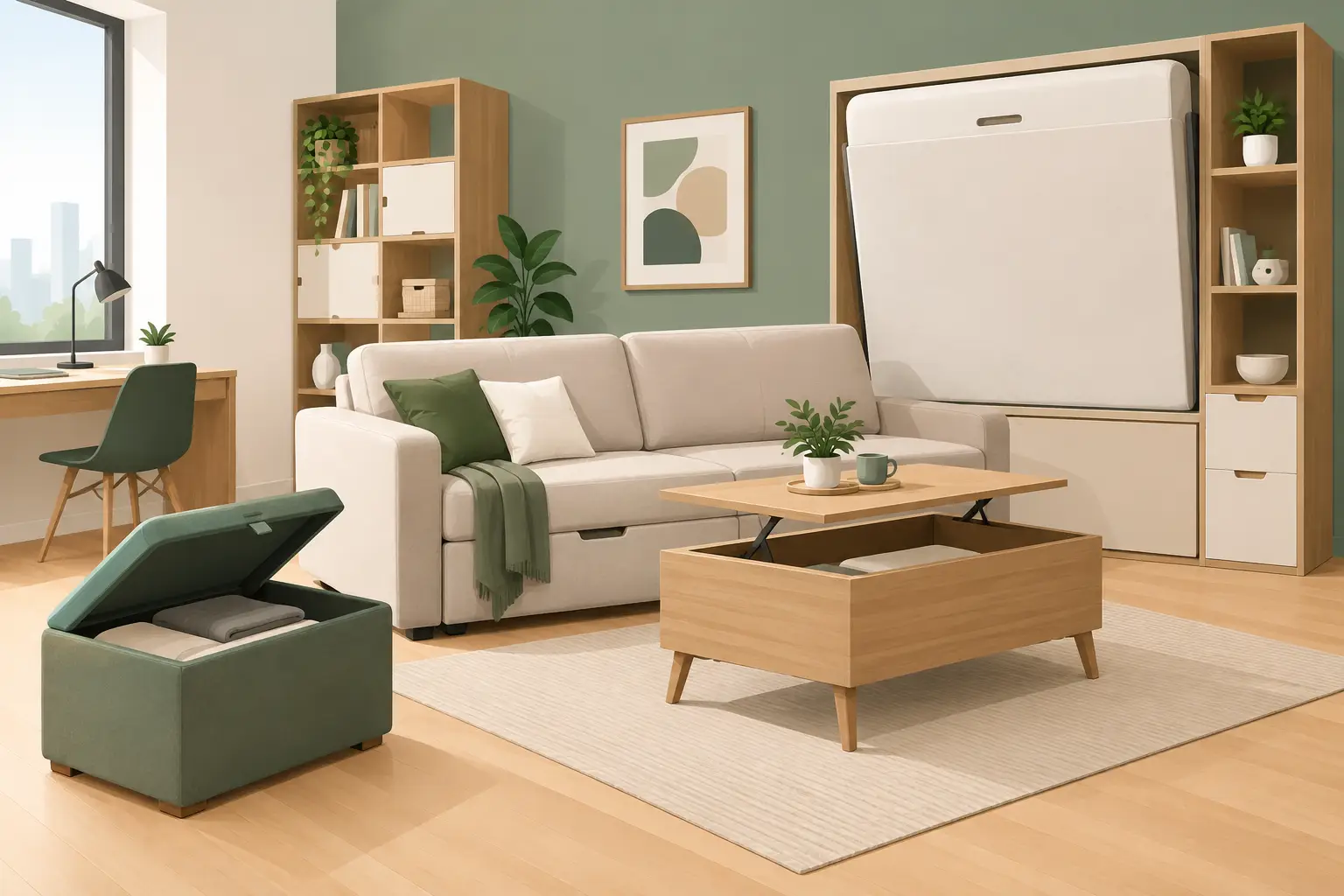
A sofa that looks great online but blocks the walkway is not a deal. Neither is a bargain dining table that wobbles after a few busy family dinners. The best home furniture earns its place every day: it fits the room, supports real routines, and helps your space feel pulled together without stretching the budget.
For value-focused shoppers, the goal is not to buy every matching piece at once. It is to make smart, high-impact choices, compare options confidently, and build a home that feels comfortable from the first delivery onward.
Start With How the Room Really Gets Used
Before comparing colors, styles, or sale prices, look at the room’s job. A living room that hosts movie nights, visiting friends, and everyday lounging needs a different setup than a formal sitting area. A compact apartment dining space may need a table that doubles as a desk, while a busy household may need easy-clean seating and storage that keeps clutter under control.
Measure more than the empty floor space. Note doorways, elevators, stairwells, hallways, and the path a large box or assembled piece must take to reach its final spot. In the room itself, leave enough space to walk comfortably around seating, beds, and tables. A room can technically hold a piece of furniture and still feel too cramped to enjoy.
It also helps to use painter’s tape or a few empty boxes to map the footprint of a sofa, table, or bed. This quick step makes scale easier to judge than a product photo ever can. Check the listed dimensions carefully, including seat depth, arm width, tabletop overhang, and the clearance required to open drawers or cabinet doors.
Choose Home Furniture in the Right Order
When you are furnishing a room from scratch or giving it a reset, start with the pieces that affect comfort and layout most. In a living room, that is usually the sofa or sectional. In a bedroom, it is the bed and mattress setup. In a dining area, it is the table. These larger purchases establish the room’s scale, color direction, and practical limits.
Once the anchor piece is selected, add supporting furniture. An accent chair, end table, media stand, dresser, or bench should make the space easier to use, not simply fill an open corner. A small side table beside a sofa has a clear purpose. A storage ottoman can provide extra seating while hiding blankets, games, or remote controls. Pieces that solve two needs at once often offer the best value in smaller homes.
Decorative extras can come last. Lamps, mirrors, rugs, wall decor, and throw pillows bring personality, but they are easier to choose after the main furniture is in place. They are also ideal for refreshing a room seasonally without replacing the big-ticket items.
Make Small Spaces Feel More Flexible
Small rooms benefit from furniture with visual breathing room. Raised legs, open shelving, slimmer arms, and lighter finishes can make a space feel less crowded than bulky, floor-hugging designs. This does not mean every piece must be tiny. One properly scaled sofa can work better than several undersized seats that create a cluttered layout.
Look for nesting tables, lift-top coffee tables, storage benches, expandable dining tables, and beds with built-in drawers when flexibility matters. The trade-off is that moving parts and hidden storage add complexity, so check dimensions, weight capacity, and assembly details before buying.
Compare Materials for Daily Life, Not Just the Photo
A beautiful finish is only part of the decision. Material affects upkeep, durability, comfort, and how a piece handles kids, pets, spills, sun exposure, and frequent use.
Solid wood furniture can feel substantial and may develop character over time, but it can cost more and may need occasional care. Engineered wood is often a budget-friendly choice for shelves, consoles, and storage pieces. Its durability depends heavily on construction, edge finishing, and the amount of weight it will carry. For a heavily loaded bookcase or a dresser used every day, review the product details instead of assuming all wood-look furniture performs the same way.
For upholstered seating, think honestly about your household. Performance-style fabrics and tightly woven materials are practical for high-traffic rooms. Leather or faux leather can be easy to wipe down, though each can show wear differently over time. Plush fabrics can add warmth and texture, but light colors and delicate finishes may require more upkeep. Removable or washable covers can be a major advantage when life gets messy.
Metal frames are often a smart option for desks, bed frames, dining chairs, and shelving because they offer a clean look and reliable support. Still, inspect the design as a whole. A sturdy frame paired with thin shelves or an uncomfortable seat is not automatically the better buy.
Shop for Comfort You Can See in the Details
Comfort is personal, but product specifications can point you in the right direction. For seating, look at overall dimensions alongside seat height and seat depth. A deeper seat may be great for stretching out, while a shallower seat can be more comfortable for people who prefer upright support. Consider cushion fill, back style, arm height, and whether the seating will be used for quick conversations or long weekend lounging.
Dining chairs deserve the same attention. A dining set may look sleek, but the chair height must work with the tabletop, and the seat should suit the length of a typical meal. If your table also serves as a work surface, prioritize chairs with supportive backs and enough clearance to move in and out easily.
For bedroom furniture, focus on function around the bed. Nightstands should be within easy reach, dresser drawers should have room to open, and the bed frame should leave comfortable walking space on each side when possible. A tall chest can add storage in a narrow room, while a wide dresser may be better for a larger wall with fewer vertical limits.
Build a Look Without Buying a Matching Set
A fully matched room can be convenient, but it is not the only way to make a space feel coordinated. Mixing finishes, materials, and shapes often creates a more collected look, especially when you repeat a few elements across the room.
Start with a simple direction. You might pair a warm wood coffee table with black metal accents, cream upholstery, and soft neutral textiles. Or choose a clean modern base with streamlined shapes, then add color through chairs, artwork, and pillows. The key is repetition, not perfection. If one piece has matte black hardware, echo that finish in a lamp, mirror frame, or side table.
Keep contrast intentional. A room with all dark, bulky furniture can feel heavy, while a room with only pale, lightweight pieces can lack definition. Balance larger pieces with open surfaces, different heights, and a mix of soft and structured materials.
Get More Value From Sale Shopping
A sale price is a great starting point, not the whole decision. Compare dimensions, materials, included components, assembly requirements, and return information before adding an item to the cart. Two similar-looking media consoles can have very different storage capacity, weight limits, or construction details.
Prioritize discounts on foundational pieces you have already measured and planned for. Trend-driven accents are easier to swap later, so they are a good place to experiment with a new color or finish. If you are shopping across rooms, group purchases strategically to make the most of available promotions and shipping thresholds, while avoiding impulse buys that do not fit your plan.
Pendazi makes it easier to browse across furniture, home accents, electronics, and lifestyle essentials in one place, which is useful when a room update involves more than one category. Save favorites, compare the details, and revisit the measurements before checking out.
A Room Worth Coming Home To
The right furniture does not need to be the most expensive, largest, or most heavily styled option. It needs to support the way you live, fit the space you have, and leave room for the moments that happen there. Buy the piece that solves the real need first, then let the rest of the room come together around it.
Discover more from Pendazi
Subscribe to get the latest posts sent to your email.







Leave a Reply