

Slipper Platform: a Buyer’s Guide
The phrase “slipper platform” can point in a few different directions. It might describe the thick, cushioned sole that gives a pair of house slippers its platform profile. It might refer to a retail or e-commerce platform that specialises in slippers. Or it might be shorthand for the broader platform economy — the online marketplaces where footwear and lifestyle goods are bought and sold. This guide covers all three interpretations, with practical advice on materials, fit, comfort, and how to shop wisely for platform slippers in 2026.
What “Slipper Platform” Usually Means
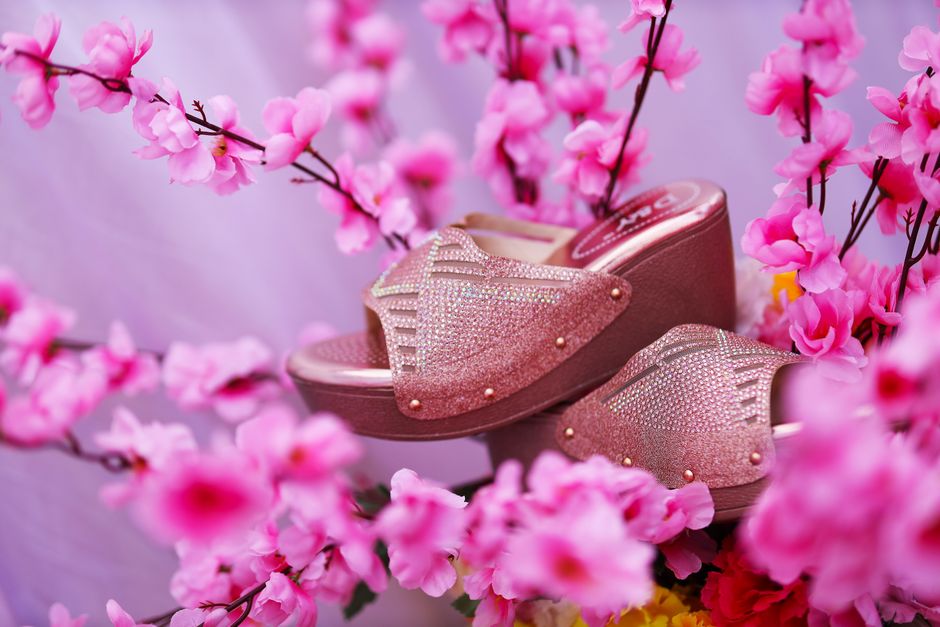
In most everyday conversations, a slipper platform is a slipper built with a raised midsole — typically an inch or more of cushioning between the foot and the floor. The design borrows from platform shoes and sandals, but the purpose is different. Where fashion platforms emphasise height and silhouette, slipper platforms generally emphasise comfort: a thicker sole can absorb shock, insulate against cold floors, and reduce pressure on the heels and balls of the feet.
Platform slippers come in several common styles:
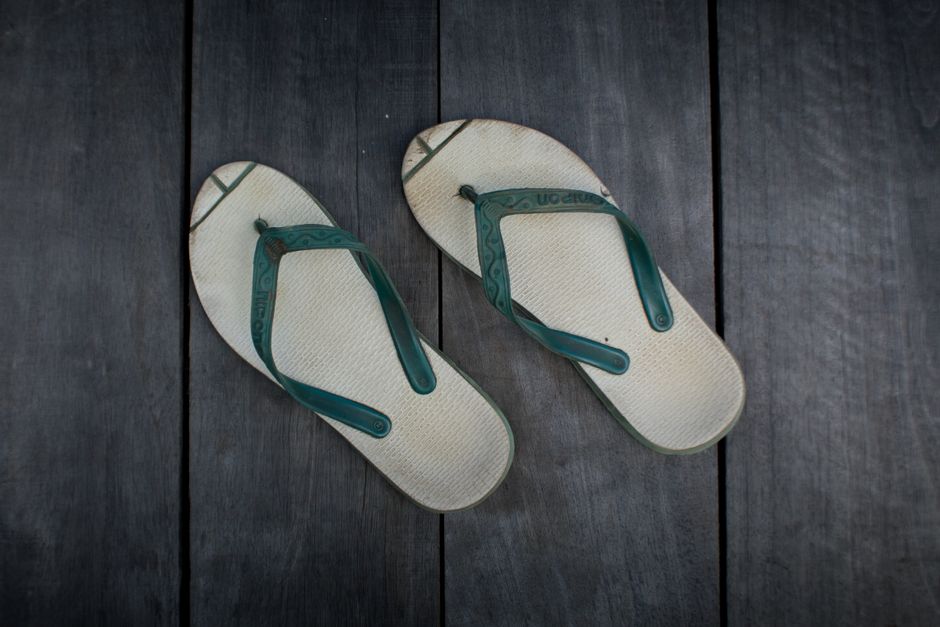
- Mule and clog styles — backless slip-ons with a substantial molded or stacked sole.
- Scuff and slide platforms — open-back designs with a wide strap or band across the foot.
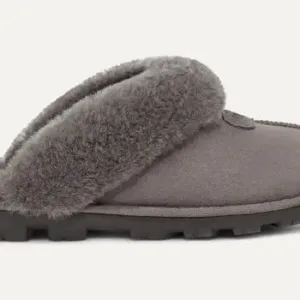
- Bootie and closed-back platforms — warmer options for winter, often lined with fleece or shearling-type materials.
- Memory-foam and EVA platforms — lightweight, single-piece soles that mould to the foot.
The term is also used loosely in retail. A shop might describe its slipper range as a “slipper platform” in the sense of a curated collection or sales channel. And in the wider tech and business world, “platform” has become a catch-all word for any online marketplace — which is why the phrase can appear in contexts that have nothing to do with footwear at all.
Why the Sole Matters: Comfort and Support
The sole is the defining feature of a platform slipper, and it is worth understanding what different constructions do for your feet.
Cushioning and shock absorption
A thicker sole spreads impact over a larger area. For people who stand while cooking, doing chores, or working from home, that can make a meaningful difference over the course of a day. Materials such as EVA foam, memory foam, and cork blends are common because they are lightweight and compress under weight.
Insulation
Floors in many homes — tile, stone, concrete — stay cold. A platform sole lifts the foot away from that surface and traps a layer of air or foam beneath it, which helps keep feet warmer than a thin-soled slipper would.
Stability trade-offs
Here is where buyers should be careful. A higher platform raises the foot’s centre of gravity, and slippers are already prone to slipping off the heel. The Sleep Foundation notes that good sleep hygiene includes a comfortable bedroom environment, and for many people that includes warm, secure feet — but an unstable slipper that causes a stumble on the way to bed defeats the purpose. Look for soles with a textured or rubberised outsole, a moderate height rather than an extreme one, and a footbed that cups the heel.
Arch support
Flat platform soles offer cushioning but little arch support. If you have flat feet, plantar fasciitis, or another foot condition, look for a contoured footbed or consider consulting a podiatrist before choosing a high-platform style. Slippers are not medical devices, and no slipper should be expected to treat a foot problem.
Materials to Look For
The upper and lining matter as much as the sole, especially if you plan to wear slippers for hours at a time.

- Wool and wool-blend felt — breathable, temperature-regulating, and naturally odour-resistant. A popular choice for year-round wear.
- Fleece and faux shearling — warm and soft, best for cold climates or winter months. Check whether the lining is removable or washable.
- Cotton and canvas — light and breathable for summer, though less durable than wool.
- Leather and suede — durable and mould to the foot over time; usually the most expensive option and often not machine washable.
- EVA and rubber — the standard for the sole itself; waterproof and easy to wipe clean, which makes them a sensible choice for kitchens and bathrooms.
If you care about the look as well as the feel, fashion coverage is a useful barometer for what is currently considered well-designed. Publications such as Vogue regularly cover footwear trends, including the ongoing interest in comfortable, chunky-soled styles that blur the line between loungewear and streetwear.
How to Choose the Right Fit
Sizing for slippers is less standardised than for shoes, and platform styles add a wrinkle: a stiff or thick sole changes how the foot sits inside the upper. A few practical rules help.
- Measure your foot, not your shoe size. Trace your foot on paper and check the length against the brand’s size chart. Slipper sizes vary widely between makers.
- Allow a little room at the heel for backless styles, but not so much that the slipper flaps when you walk.
- Consider the sock you will wear. If you plan to wear thick socks in winter, size up or choose a style with an adjustable strap.
- Check the weight. A platform sole can be heavy. Lightweight EVA is easier on the legs for long wear; cork and stacked soles are denser.
- Read reviews for fit specifically. Comments about “runs small” or “too wide” are more useful than general praise.
Indoor versus outdoor use
Many platform slippers are designed for indoor wear, but some have rubber outsoles suitable for quick trips to the garden or the bins. If you want a pair that can go outside, look explicitly for a durable outsole — indoor-only slippers wear out quickly on pavement and can become slippery when wet.
Shopping for Slipper Platforms Online
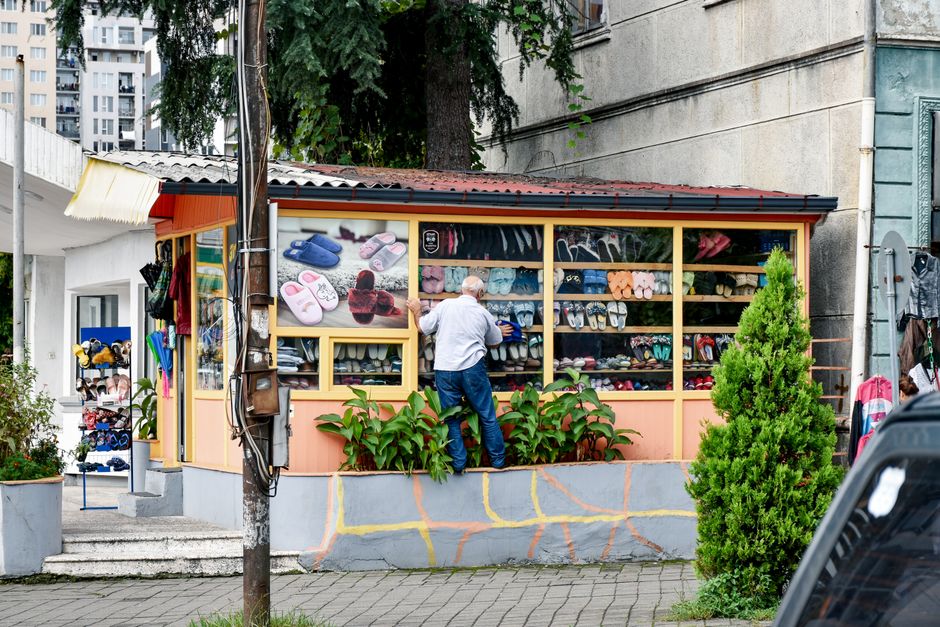
Most slipper purchases now happen on e-commerce platforms, and the range available is enormous. That is both an advantage and a challenge: more choice, but also more variation in quality, sizing, and returns policies.
When buying from any online store — whether a specialist footwear retailer or a curated marketplace — check the following before you commit:
- Material details. Vague listings (“soft fabric”) are a warning sign. Look for specific upper, lining, and sole materials.
- Care instructions. Can the slippers be machine washed? Are the insoles removable?
- Return and exchange terms. Footwear is a fit-sensitive category; a generous returns window matters.
- Seller credibility. Reviews, ratings, and clear contact information all help.
- Shipping and duties. For cross-border orders, confirm who pays any import charges.
Curated marketplaces such as Pendazi bring together gifts, home goods, lifestyle products, and apparel in one place, which can make it easier to compare slipper options alongside related items — a robe, a throw, a pair of thick socks — without visiting several sites. The trade-off is that curated selections are narrower than a dedicated footwear retailer’s, so it pays to know your size and preferred materials in advance. For a closer look at how this approach works, see this guide to curated online shopping, and if you are also sorting out your everyday footwear, the pros and cons of pure white sneakers are worth a read.
A note on “platform” as a business term
If you encountered the phrase in a business or technology context rather than a shopping one, it likely refers to a digital platform — an online intermediary that connects buyers and sellers. E-commerce platforms of this kind handle listings, payments, and logistics, and they have become the default way many small brands reach customers. Understanding that model helps shoppers interpret pricing, shipping times, and return policies, since these are often set by the platform rather than the individual brand.
Care and Longevity
Platform slippers tend to last longer than thin-soled ones because the sole takes longer to wear through — but only if they are looked after.
- Air them out regularly; trapped moisture breaks down foam and encourages odour.
- Spot-clean fabric uppers with a damp cloth and mild detergent rather than submerging them.
- Check the outsole for smooth patches; worn rubber becomes a slip hazard on hard floors.
- Replace removable insoles when they flatten, rather than replacing the whole slipper.
- Store them away from direct heat, which can warp EVA and cause cracking.
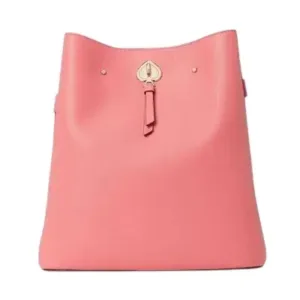
If your shopping list extends beyond the house, a roomy everyday carry like the New York large bucket bag is a practical companion for errands and travel days.
Conclusion
A slipper platform is, at its simplest, a slipper with a raised, cushioned sole — a design that trades a little stability for warmth, shock absorption, and comfort underfoot. Choosing well comes down to three things: the sole’s height and grip, the upper and lining materials, and an accurate fit. Whether you shop a dedicated footwear brand or a curated online marketplace, insist on specific product details and a workable returns policy, and treat any very high platform with caution if balance is a concern. Bought thoughtfully, a good pair of platform slippers can be one of the most-used items in the house.
Discover more from Pendazi
Subscribe to get the latest posts sent to your email.




Add comment