

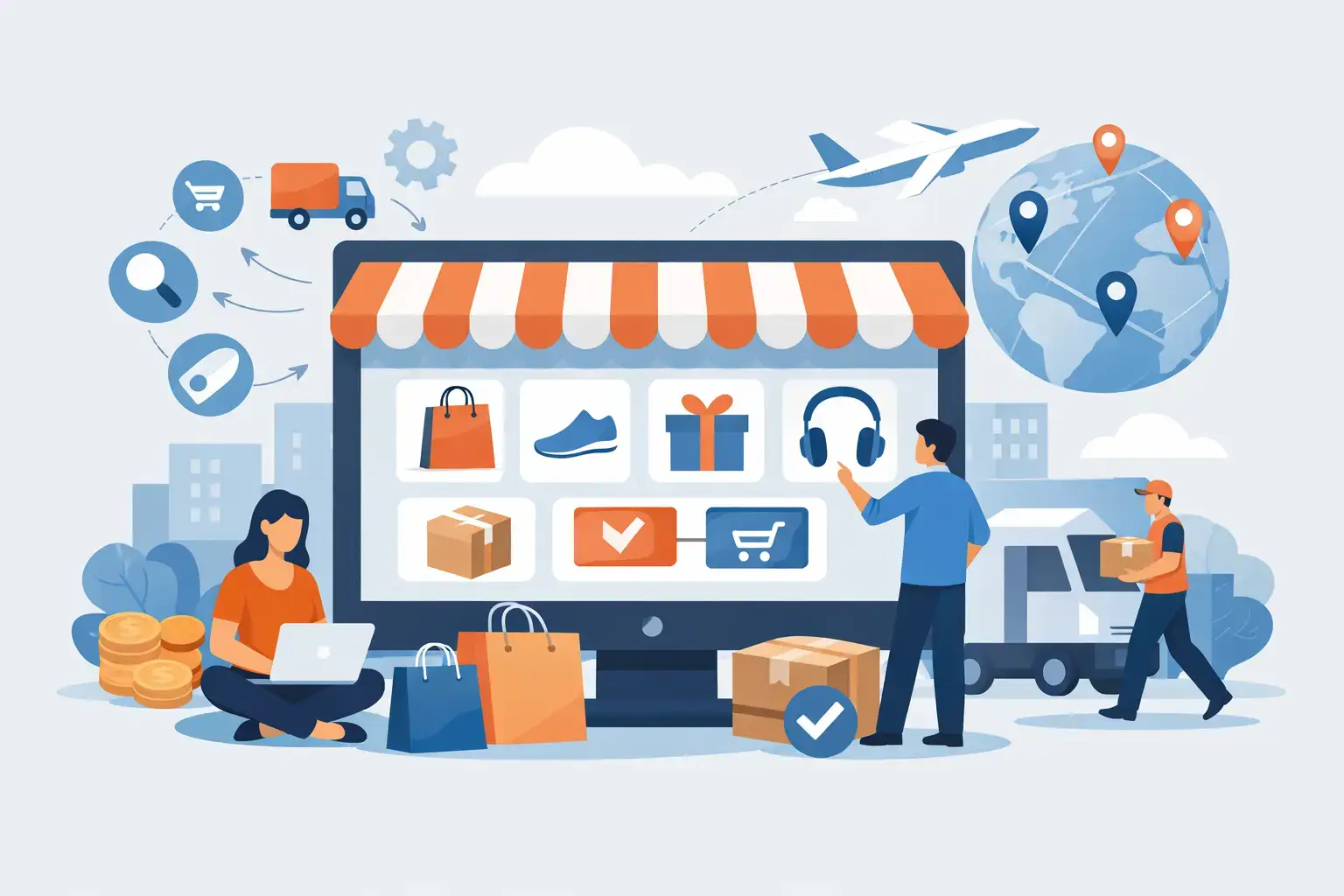
You notice it fastest when your cart is split across four tabs. Shoes on one site, skin care on another, a phone accessory somewhere else, and a last-minute gift still not found. That is exactly why a one stop online marketplace appeals to real shoppers – it turns scattered buying into one easier, faster, more affordable trip.
For anyone trying to stretch a budget without giving up choice, the appeal is simple. You can browse fashion, footwear, beauty, electronics, home items, and giftable extras in one place, compare options side by side, and move from inspiration to checkout without starting over each time. When deals, category variety, and convenience tools all live together, shopping feels less like work and more like a win.
What a one stop online marketplace really offers
A one stop online marketplace is more than a store with a big catalog. The real value comes from how those categories work together. Instead of shopping in silos, you can build a full purchase around what you actually need right now, whether that is a new pair of sneakers, a handbag, kitchen basics, hair tools, or a birthday gift.
That cross-category setup matters because people do not shop in neat little boxes. A parent might come in for kids’ shoes and leave with storage bins and a beauty restock. A young professional may start with workwear and add headphones, a watch, and a housewarming gift before checkout. When the storefront is organized well, discovery feels natural instead of distracting.
Price visibility also changes the experience. In a strong marketplace model, sale pricing, discount callouts, and category promotions are easy to spot. That helps shoppers make faster decisions without digging through multiple sites just to figure out where the best value is hiding.
Why shoppers keep choosing one stop online marketplace convenience
The biggest reason is time. Most shoppers are not looking for a long research project every time they need basics or want to refresh their style. They want quick category access, visible pricing, and tools that help them narrow choices without friction.
That is where convenience features matter more than people think. Wishlist functions let shoppers save what caught their eye before payday. Compare tools help them weigh similar items without flipping back and forth. Cart visibility keeps spending in check, and order tracking removes the guesswork after checkout. These are small details individually, but together they make repeat shopping much more likely.
There is also a cost advantage, and not just because of markdowns. If one retailer offers free shipping thresholds, bundled promotions, and sale events across multiple categories, the total order can work harder for the shopper. Buying three things from one place often beats paying separate shipping charges and juggling different return policies across several stores.
That said, bigger is not always better by default. A huge marketplace only works if search, navigation, and merchandising are clear. If shoppers cannot find the right size, filter by price, or browse categories without getting lost, assortment turns into clutter. The best marketplace experience balances range with speed.
The categories that make the model work
Not every product mix supports this format equally well. The strongest one stop shopping experience usually includes categories people buy often, browse casually, and gift regularly.
Fashion and footwear are especially strong because they pull shoppers in with frequent need states. People shop for everyday outfits, seasonal updates, event looks, and replacement basics all year. Accessories make that even stickier because they invite add-on purchases without a lot of hesitation.
Beauty works for a different reason. It brings repeat buying behavior. Once shoppers find products they like, they come back for refills, replacements, and small self-care upgrades. Electronics and tech accessories add practical urgency, while home goods open the door for impulse discovery. Gifts cut across all of it, especially during holidays, birthdays, and major shopping weekends.
When these categories live together, the cart gets stronger. A shopper who planned to spend on one item often finds matching, useful, or timely extras in the same session. For a retailer, that increases average order value. For the customer, it feels efficient rather than pushy if the assortment is relevant and the pricing stays attractive.
What shoppers should expect from a good marketplace experience
A broad assortment only pays off if the storefront helps people shop quickly. That starts with category navigation that makes sense. Shoppers should be able to move from womens apparel to mens footwear, then into beauty, home, or electronics without feeling like they entered a different website.
Promotional merchandising matters too. Best sellers, new arrivals, limited-time offers, and clearly marked discounts help shoppers scan fast. This is especially useful for casual browsers who are not searching for one exact item but know they want a good deal.
Product pages also do more work than many retailers realize. Clear images, straightforward pricing, sale comparisons, size or feature details, and stock visibility reduce hesitation. When shoppers can tell what is available, what is discounted, and what pairs well with it, they are more confident adding to cart.
A marketplace should also support both kinds of shoppers: the mission-driven buyer and the open-ended browser. One wants speed and filters. The other wants ideas, trending picks, and cross-category inspiration. The best retail sites serve both without making either group work too hard.
Where the trade-offs show up
There is no perfect marketplace model, and shoppers know that. The trade-off for broad variety is that not every category will feel as deep as a specialist retailer. Someone looking for a highly technical product or a niche enthusiast brand may still end up visiting a dedicated store.
But that does not weaken the value of the model for everyday shopping. In fact, it clarifies it. A one stop marketplace wins when the customer wants solid selection, recognizable brands, competitive pricing, and the convenience of buying across categories in one session. It is less about serving every edge case and more about serving common buying needs extremely well.
Another trade-off is decision fatigue. More options can help comparison shopping, but only if filters, sorting, and featured collections guide the process. Too much product with too little structure can slow people down. That is why sales-led curation matters. Shoppers often want choice, but they also want a helpful nudge toward what is popular, discounted, or seasonally relevant.
Why this model fits how people shop now
Online shopping behavior is increasingly blended. People are not just buying what they searched for. They are topping up essentials, checking out sale sections, browsing gifts early, and adding one or two wants to a cart built around needs. A marketplace format matches that behavior better than narrow category stores do.
It also fits how budgets are managed. Many shoppers are willing to spend, but they want visible value. They want to know when an item is marked down, when an order qualifies for free shipping, and when adding another useful product makes the overall purchase smarter. That is where an accessible, promotion-forward marketplace earns attention.
This is also why sale events and seasonal campaigns perform so well in multi-category retail. A shopper may show up for a fashion deal and discover a home refresh, beauty offer, or gift idea at the same time. When done right, the experience feels efficient and rewarding, not random.
For a retailer like Pendazi, that combination of assortment, deals, and convenience makes the proposition easy to understand. The shopper does not need to choose between variety and value. They can browse both at once.
How to tell if a one stop online marketplace is worth your time
The test is simple. Can you find what you need quickly, spot savings easily, and build a cart that makes practical sense? If yes, the marketplace is doing its job.
Look for a broad but relevant category mix, clear sale pricing, easy navigation, and shopping tools that reduce friction. Free shipping thresholds, compare features, wishlists, and straightforward order tracking are not extras anymore. For many shoppers, they are the reason a site becomes part of the regular rotation.
The strongest marketplaces do not just sell more products. They make everyday shopping easier to finish in one place. And when a store can help you grab the right pair of shoes, a beauty restock, a useful home item, and a gift without sending you across the internet, that convenience starts to feel less like a perk and more like the standard shoppers should expect.
Discover more from Pendazi
Subscribe to get the latest posts sent to your email.




Leave a Reply