

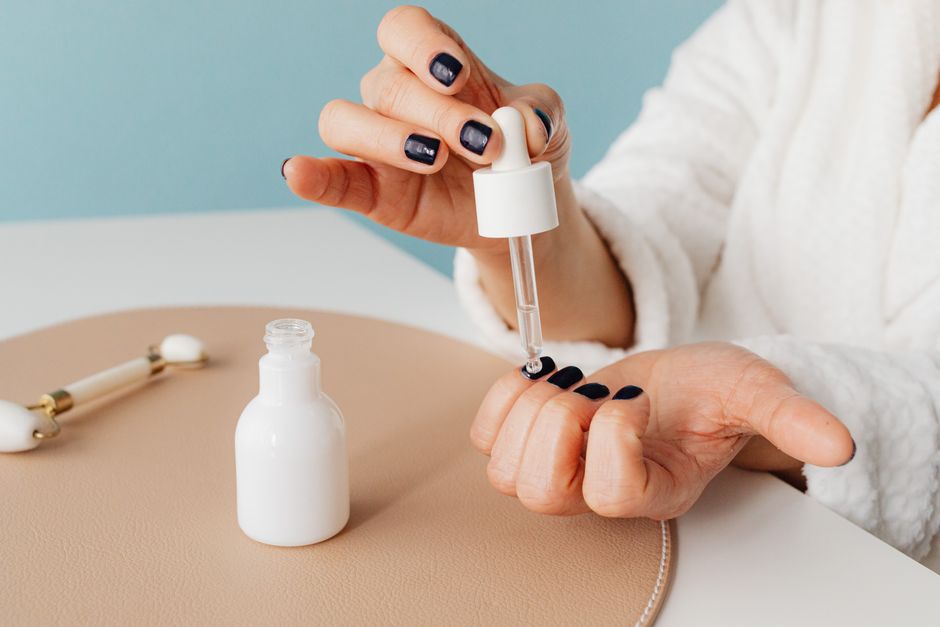
Does Moisturizer or Serum Go First?
If you have ever stood in front of the mirror with a serum in one hand and a moisturizer in the other, wondering which one should touch your skin first, you are not alone. It is one of the most common questions in skincare, and the answer matters far more than most people realize. Applying products in the wrong order can dilute their benefits, block absorption, or simply waste the money you spent on them.
The short answer is simple: serum goes first, then moisturizer. But the reasoning behind that rule — and the exceptions that surround it — is where things get interesting. This guide breaks down the science of layering, the general rule of thumb, and how to build a routine that actually works for your skin in 2026.
The Short Answer: Serum Before Moisturizer
In almost every case, you should apply your serum before your moisturizer. The logic is based on consistency and molecular size. Serums are lightweight, water-based (or occasionally oil-based) formulas packed with concentrated active ingredients such as vitamin C, niacinamide, hyaluronic acid, or retinol. They are designed to penetrate deeper into the skin.
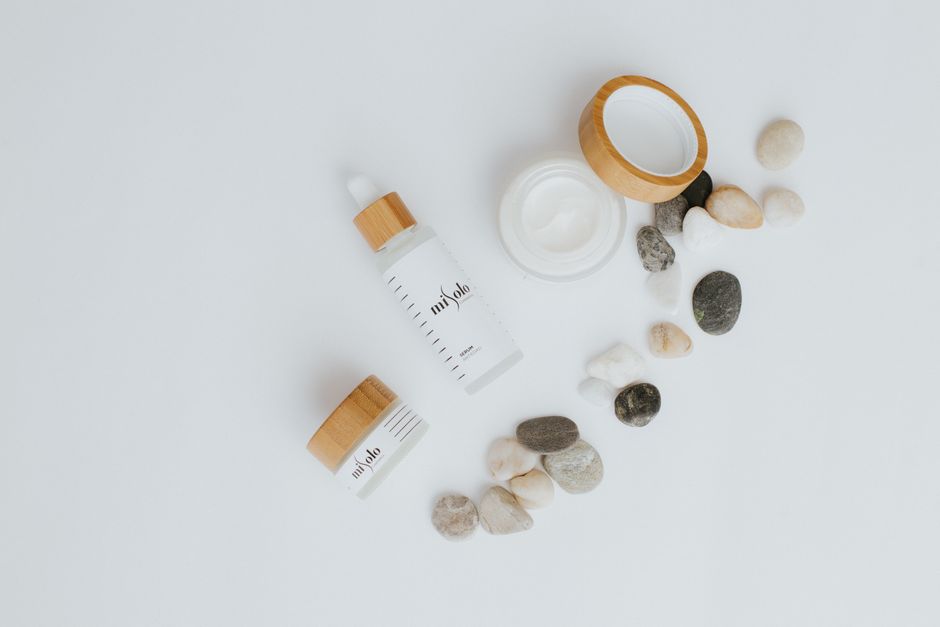
Moisturizers, on the other hand, are thicker and creamier. Their primary job is to seal in hydration and support the skin barrier. If you apply moisturizer first, it creates a barrier that can prevent your serum from reaching the layers where it needs to work. Think of it like painting a wall: you apply the primer and the base coat before the protective topcoat, not the other way around.
This principle is echoed across the beauty industry. As skincare editors at Vogue have long emphasized, the general rule is to apply products from thinnest to thickest consistency. Serums are thin; moisturizers are thick. Therefore, serum comes first.
Why Order Matters: The Science of Layering
Skincare layering is not arbitrary. It is rooted in how ingredients interact with the skin and with each other. Here are the key reasons order matters:

- Molecular size and penetration: Ingredients with smaller molecules can slip through the skin’s surface more easily. Serums are formulated with these smaller molecules. Moisturizers contain larger molecules like occlusives and emollients that sit closer to the surface.
- Barrier formation: Moisturizers are designed to form a film that reduces water loss (transepidermal water loss, or TEWL). That film is helpful — but only after your active ingredients have had a chance to absorb.
- pH and formulation: Many serums are pH-sensitive. Applying a moisturizer first can alter the skin’s surface pH temporarily, making the serum less effective.
- Preventing irritation: Some actives, like retinol or exfoliating acids, can be irritating if they sit on top of the skin without a buffer. Applying a moisturizer after can help calm and support the skin — but it should still come after the serum, not before.
That said, there are exceptions. If you use a prescription-strength active and your dermatologist recommends buffering it with moisturizer first to reduce irritation, follow that advice. But for over-the-counter serums, the serum-first rule holds.
The General Rule: Thinnest to Thickest
If you ever forget the specific order, remember this: apply products from thinnest to thickest. This single rule covers almost every skincare product you own.
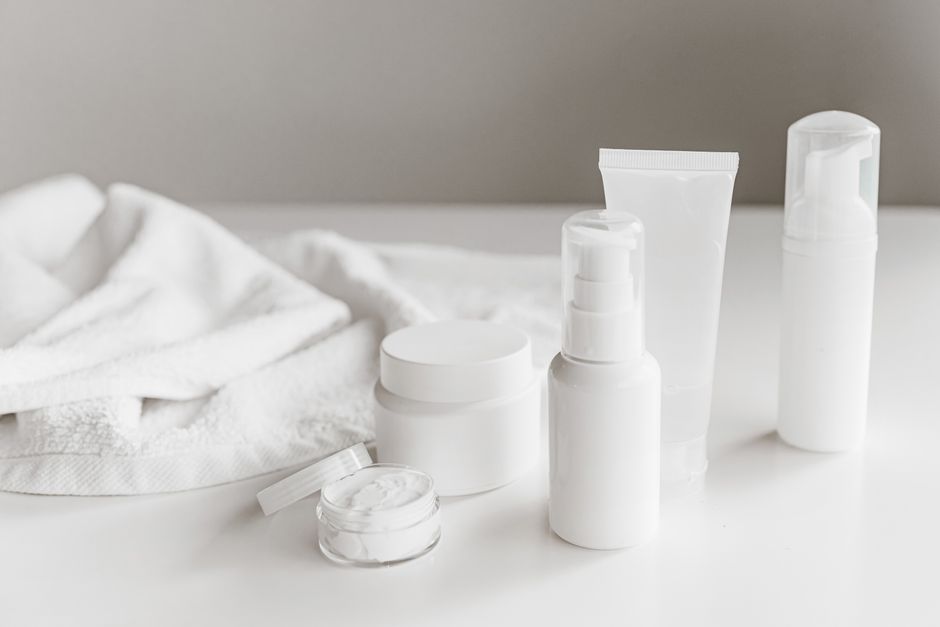
A typical morning routine might look like this:
- Cleanser — remove dirt, oil, and residue from the night.
- Toner or essence — optional, but can prep the skin and add a layer of hydration.
- Serum — targeted treatment, such as vitamin C or hyaluronic acid.
- Eye cream — optional, applied gently around the eyes.
- Moisturizer — lock in hydration and support the barrier.
- Sunscreen — always the final step in the morning.
An evening routine follows the same logic, though you may swap sunscreen for a treatment like retinol or a heavier night cream. If you use both a retinol serum and a moisturizer, the retinol goes first, followed by moisturizer to reduce dryness.
It is also worth noting that sleep plays a major role in how your skin repairs itself overnight. According to the Sleep Foundation, quality sleep supports the body’s recovery processes, which includes skin repair. A consistent evening routine paired with good sleep habits can make a noticeable difference in how your skin looks and feels.
Exceptions and Special Cases
While the serum-first rule applies to most routines, there are situations where you might adjust the order.
1. Prescription Treatments
If you use a prescription retinoid or a medicated cream, your dermatologist may recommend applying moisturizer first to create a buffer. This is called the “sandwich method” — moisturizer, active, moisturizer — and it is often used for sensitive skin.
2. Oil-Based Serums and Facial Oils
Facial oils are an exception to the “thinnest to thickest” rule in one sense: they are thin in texture but act as occlusives. In general, apply a water-based serum before an oil, and apply facial oil after moisturizer if you use it at all. Oils can block water-based products from absorbing, so they belong near the end of your routine. If you enjoy pairing your routine with stylish accessories, a Doc Marten White: a Complete Guide can help you pull together a polished look while your skincare settles.
3. Multiple Serums
If you use more than one serum, apply them from thinnest to thickest as well. For example, a watery vitamin C serum goes before a thicker hyaluronic acid serum. If you use both vitamin C and retinol, consider using them at different times of day — vitamin C in the morning and retinol at night — to avoid irritation.
4. Sunscreen Always Last
In the morning, sunscreen is always the final step, even after moisturizer. Do not apply serum or moisturizer over sunscreen, as this can disrupt the protective film.
How to Build a Routine That Works for You
Knowing the order is one thing; building a routine you will actually stick to is another. Here are a few practical tips:
- Start simple: A basic routine of cleanser, serum, moisturizer, and sunscreen covers most needs.
- Introduce one product at a time: Give each new product a week or two before adding another, so you can identify what works and what does not.
- Patch test: Always test new products on a small area of skin before applying them to your whole face.
- Listen to your skin: If a product stings, burns, or causes redness, stop using it and consult a professional if needed.
- Be consistent: Skincare results take time. Most ingredients need several weeks of regular use to show visible effects.
When you are shopping for serums and moisturizers, it helps to look for products that suit your skin type. If your skin is oily, look for lightweight, gel-based moisturizers and water-based serums. If your skin is dry, richer creams and hydrating serums with ingredients like hyaluronic acid or glycerin may work better. If you are unsure where to start, a curated selection can help you find products that fit your routine and your goals — Pendazi offers a range of beauty and wellness items that can complement a thoughtful skincare approach. For families building healthy habits together, resources like Discovery Teach and Talk: a 2026 Guide can offer ideas for keeping routines engaging at every age.
It is also worth remembering that skincare is not just about products. Hydration, nutrition, stress management, and sleep all play a role. A well-structured routine supports your skin, but it works best alongside healthy daily habits.
Common Mistakes to Avoid
Even with the right order, a few common mistakes can undermine your routine:
- Applying too much product: More is not better. A pea-sized amount of serum and a nickel-sized amount of moisturizer are usually enough.
- Rubbing instead of pressing: Gentle pressing helps products absorb without tugging the skin.
- Skipping wait time: Give each layer a moment to absorb before applying the next. This is especially important with actives.
- Mixing incompatible ingredients: Some actives, like benzoyl peroxide and retinol, can cancel each other out or cause irritation. Research combinations before layering.
- Neglecting your neck: Your neck deserves the same care as your face, and it often shows signs of aging first.
Conclusion
The answer to “does moisturizer or serum go first” is clear: serum first, then moisturizer. This order allows your active ingredients to absorb and do their job before the moisturizer seals everything in. It follows the broader principle of applying products from thinnest to thickest, and it applies to almost every over-the-counter skincare routine. For those who like comparing everyday tech too, Wireless vs Bluetooth Headphones: Key Differences offers a helpful breakdown of another common buying question.
Of course, there are exceptions for prescription treatments, facial oils, and sensitive skin, so pay attention to your skin’s response and adjust as needed. With a consistent routine, the right products, and a little patience, you can get the most out of every step — starting with the very first one.
Discover more from Pendazi
Subscribe to get the latest posts sent to your email.





Leave a Reply