

Moisturizer vs Serum: Key Differences Explained
If you have ever stood in the skincare aisle or scrolled through an online beauty shop wondering whether you actually need both a serum and a moisturizer, you are not alone. These two product categories are among the most commonly confused in all of skincare. They often come in similar-looking bottles, they are both applied to clean skin, and they both promise better-looking skin. Yet they do fundamentally different jobs, and understanding that difference is the key to building a routine that actually works.
This guide breaks down the difference between moisturizer and serum in plain language: what each one is, what it does, how their ingredients differ, when to use them, and whether you really need both. By the end, you will know exactly how these products fit together — and how to choose the right ones for your skin type.
What Is a Serum?
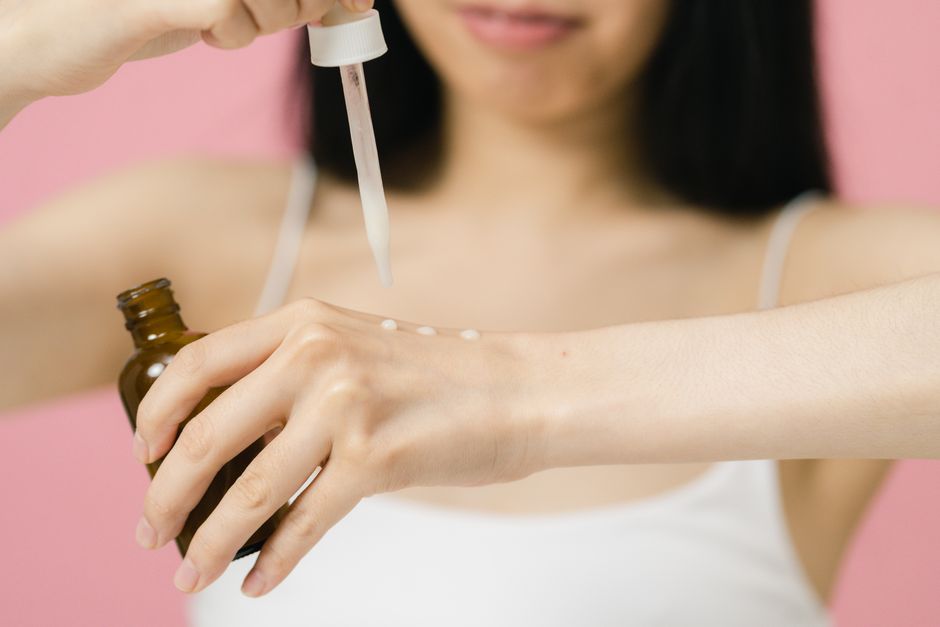
A serum is a lightweight, fast-absorbing skincare product formulated with a high concentration of active ingredients. Think of it as a targeted treatment rather than a general-purpose cream. Serums are typically water-based or sometimes oil-based, and they have a thin, liquid or gel-like texture that sinks into the skin quickly.

The defining feature of a serum is its ingredient concentration. Because serums are designed to deliver specific actives, they usually contain a higher percentage of those actives than a moisturizer would. Common serum ingredients include:
- Vitamin C — used for brightening and antioxidant protection
- Retinol and other retinoids — used for fine lines, texture, and acne
- Hyaluronic acid — used for hydration and plumping
- Niacinamide — used for oil control, redness, and barrier support
- Alpha hydroxy acids (AHAs) and beta hydroxy acids (BHAs) — used for exfoliation and clarifying
- Peptides — used for firmness and skin barrier support
Because serums are concentrated, they are also usually more expensive per ounce than moisturizers. A little goes a long way, and most serums are applied in just a few drops per use.
What Is a Moisturizer?
A moisturizer is a product whose primary job is to hydrate the skin and seal in moisture. Unlike a serum, which is a targeted treatment, a moisturizer is a broad, foundational product that supports the skin barrier and keeps water from evaporating out of the skin.
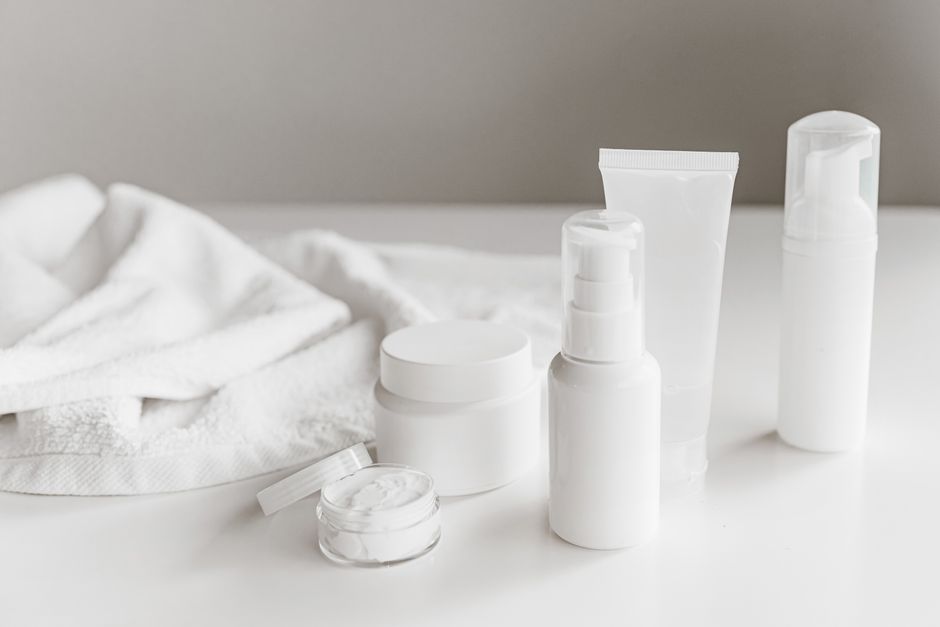
Moisturizers generally fall into a few categories:
- Humectants (like glycerin and hyaluronic acid) — draw water into the skin
- Emollients (like squalane, fatty acids, and oils) — soften and smooth the skin
- Occlusives (like petrolatum, shea butter, and some waxes) — form a barrier that prevents water loss
The texture of a moisturizer varies widely. A gel moisturizer may feel almost as light as a serum, while a rich night cream can be thick and heavy. Most moisturizers also contain a mix of water, emollients, and occlusives, along with preservatives to keep the formula stable.
Moisturizers are not typically designed to “treat” a specific concern like hyperpigmentation or acne the way a serum is. Instead, they create the healthy, hydrated baseline that lets your skin function well — and that helps your other products work better, too.
Moisturizer vs Serum: The Core Differences
Here is the difference between moisturizer and serum distilled into the categories that matter most when you are deciding what to buy.

1. Purpose
A serum targets. It delivers a concentrated active ingredient to address a specific concern such as dullness, fine lines, dark spots, or breakouts. A moisturizer maintains. It hydrates, softens, and protects the skin barrier so the skin stays comfortable and balanced.
2. Texture and Weight
Serums are almost always thinner and lighter than moisturizers. They are designed to penetrate quickly and leave little residue. Moisturizers are thicker and are meant to sit on the surface of the skin, forming a protective layer and locking in hydration.
3. Ingredient Concentration
Serums contain higher concentrations of their star ingredients. Moisturizers contain lower concentrations of actives but higher concentrations of hydrating and barrier-supporting ingredients. This is why a serum with 10% vitamin C looks very different, on a label, from a moisturizer that lists vitamin C far down the ingredient list.
4. Price Per Use
Because serums are more concentrated, they tend to cost more per bottle. However, because you use only a few drops at a time, a serum can last several months. Moisturizers are often more affordable, but you typically use more product per application.
5. Order of Application
This is one of the most practical differences. Skincare products should generally be applied from thinnest to thickest. That means serum first, then moisturizer. If you apply a moisturizer first, its thicker texture can block the serum from absorbing properly.
Do You Need Both?
The honest answer is: it depends on your skin and your goals. Not everyone needs a serum, but almost everyone benefits from a moisturizer.
If your skin is generally balanced, you are happy with how it looks, and you have no specific concerns you want to address, a good moisturizer plus sunscreen may be all you need. A serum is a nice-to-have, not a requirement.
If you have a specific goal — fading dark spots, smoothing fine lines, controlling excess oil, or adding a serious hydration boost — a serum is the more effective tool for that job. In that case, using both makes sense: the serum does the targeted work, and the moisturizer supports the skin and prevents the serum’s actives from causing dryness or irritation.
People with very oily or acne-prone skin sometimes prefer to use a serum alone during the day and skip a heavy moisturizer. People with dry or mature skin often need a serum and a rich moisturizer, because their skin barrier needs more support.
According to beauty editors and dermatologists featured by Vogue, the most effective routines tend to layer a treatment serum under a barrier-supporting moisturizer rather than choosing one over the other. For those refining the daytime half of their regimen, a daytime skincare products guide for 2026 can help you sequence each step correctly.
How to Layer Serum and Moisturizer Correctly
Once you understand the difference, layering them becomes simple. Follow this order:
- Cleanse. Start with a gentle cleanser and pat your skin dry.
- Tone (optional). If you use a toner or essence, apply it now.
- Apply serum. Use a few drops and press it gently into your skin. Wait about 30 to 60 seconds for it to absorb.
- Apply moisturizer. Smooth it over your face and neck to seal in the serum and hydrate the surface.
- Sunscreen (morning only). Finish with a broad-spectrum sunscreen of SPF 30 or higher.
A few practical tips:
- If you use multiple serums, apply the thinnest, most watery one first.
- Introduce one new active serum at a time so you can tell what is working — and what is irritating your skin.
- If a serum stings, it may be too strong for daily use. Reduce frequency or buffer it with moisturizer.
- Nighttime is ideal for retinol serums; daytime is ideal for vitamin C and antioxidant serums.
- Do not neglect sleep. Skin repair happens largely overnight, and quality rest supports everything else in your routine. The Sleep Foundation notes that sleep is a foundational factor in overall health, including skin recovery.
Choosing the Right Products for Your Skin Type
Use your skin type as a guide when shopping:
- Oily or acne-prone: Choose a lightweight gel moisturizer and a serum with niacinamide or salicylic acid. Avoid heavy occlusive creams during the day.
- Dry: Choose a hydrating serum with hyaluronic acid or glycerin, then follow with a rich cream containing ceramides or shea butter.
- Combination: A gel-cream moisturizer plus a balancing serum with niacinamide usually works well.
- Sensitive: Keep it simple. Look for fragrance-free formulas and introduce actives slowly.
- Mature: A retinol or peptide serum paired with a nourishing moisturizer is a common, effective combination.
Conclusion
The difference between moisturizer and serum comes down to role and formulation. A serum is a concentrated, lightweight treatment designed to target a specific skin concern. A moisturizer is a thicker, broader product designed to hydrate, soften, and protect the skin barrier. Serums treat; moisturizers maintain. And because of their textures, serums go on first and moisturizers go on top.
You do not have to choose between them. In fact, they work best together: the serum delivers results, and the moisturizer keeps your skin comfortable enough to tolerate those results over time. If you are building or refreshing your routine in 2026, start with a moisturizer that suits your skin type, then add a serum for the specific concern you want to address. That simple combination covers the vast majority of what most skin actually needs. Just as you would weigh the key differences between two kitchen appliances, say an air fryer versus a toaster oven, the right choice depends on matching the tool to the job.
Discover more from Pendazi
Subscribe to get the latest posts sent to your email.



Leave a Reply